In My Shoes
In My Shoes
In My Shoes
In My Shoes
A storytelling card game that builds empathy through shared emotions and personal memories. Designed with heart, research, and human connection in mind.
A storytelling card game that builds empathy through shared emotions and personal memories. Designed with heart, research, and human connection in mind.
A storytelling card game that builds empathy through shared emotions and personal memories. Designed with heart, research, and human connection in mind.
A storytelling card game that builds empathy through shared emotions and personal memories. Designed with heart, research, and human connection in mind.
XD / Branding
XD / Branding
Group Project
Group Project
Role:
Role:
Lead experience & visual design
Lead experience & visual design
Duration:
Duration:
30 weeks (Sep, 2024 - Apr, 2025)
30 weeks (Sep, 2024 - Apr, 2025)

Background
Background
Where it began:
City of Experiences
In My Shoes was born out of a 30-week interdisciplinary course called Interactive Systems Project. The central theme of the course was City of Experiences, which is a collective exploration of how urban environments shape human lives across the past, present, and future.
Research
Research
Defining our focus
As part of the City of Experience project, each team selected a type of experience to explore, along with cities that relate to that theme. Our team chose to focus on substance abuse and how it shapes the lives of individuals and the environments of different communities.
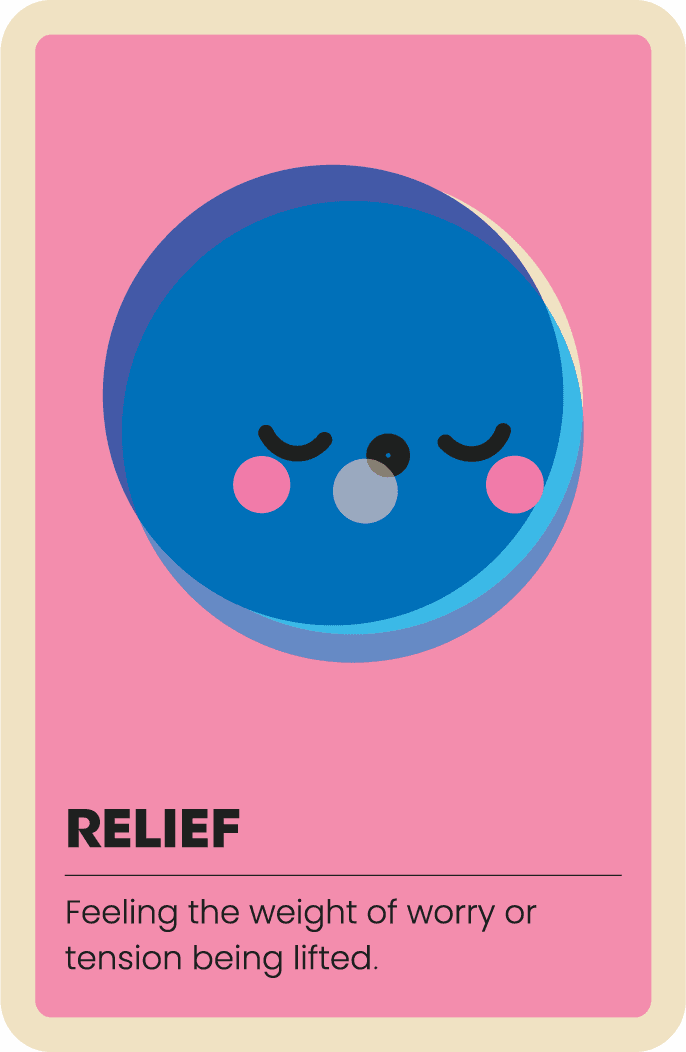
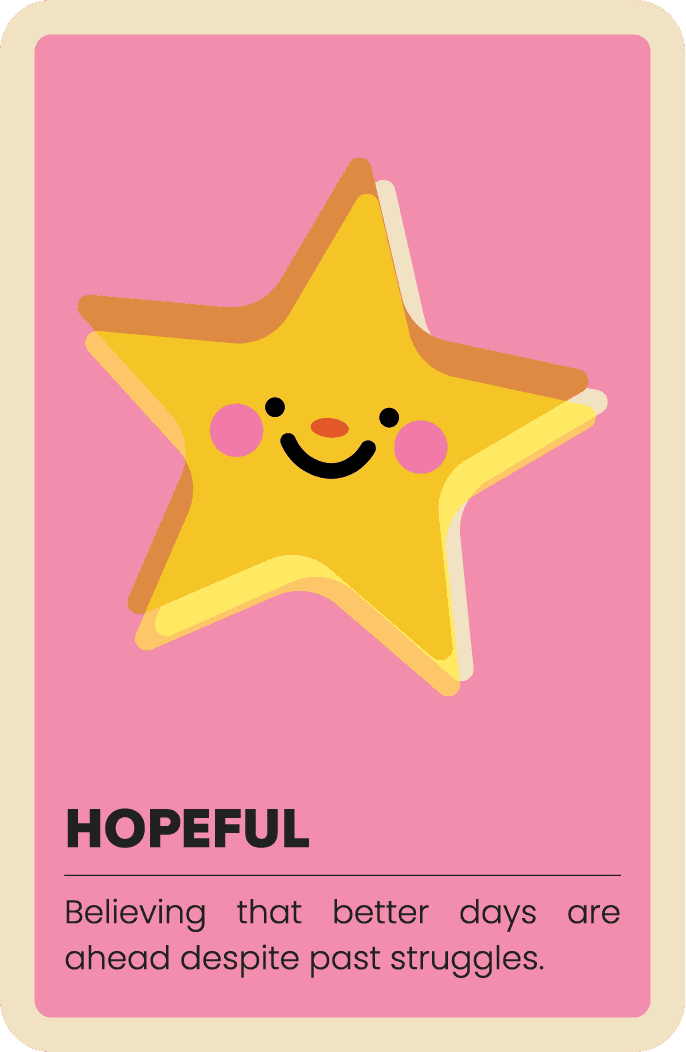
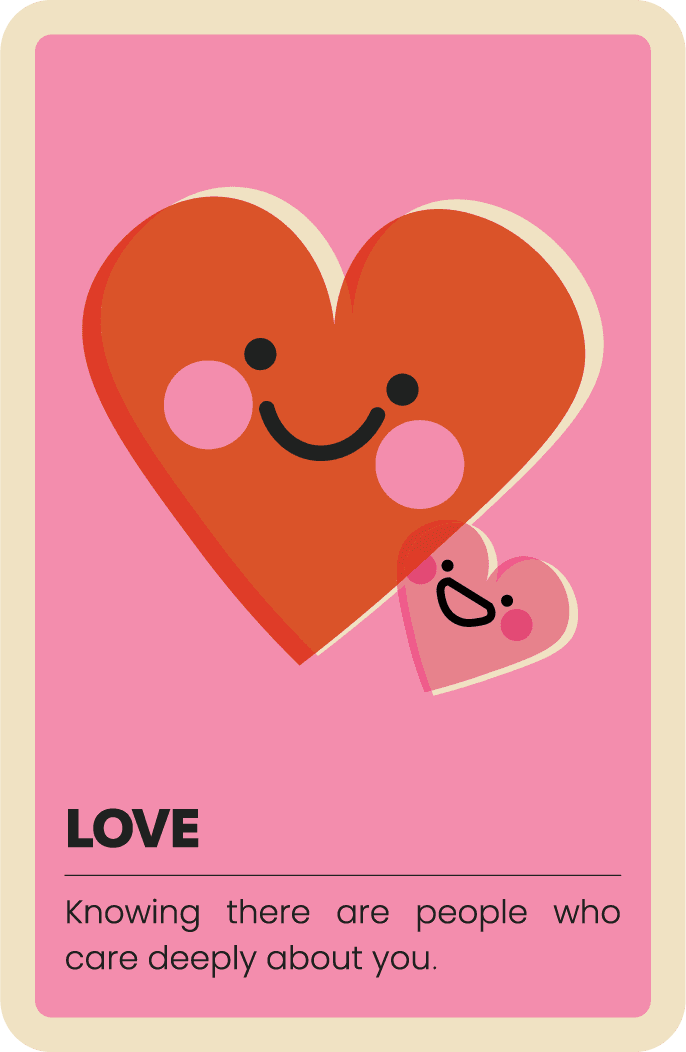
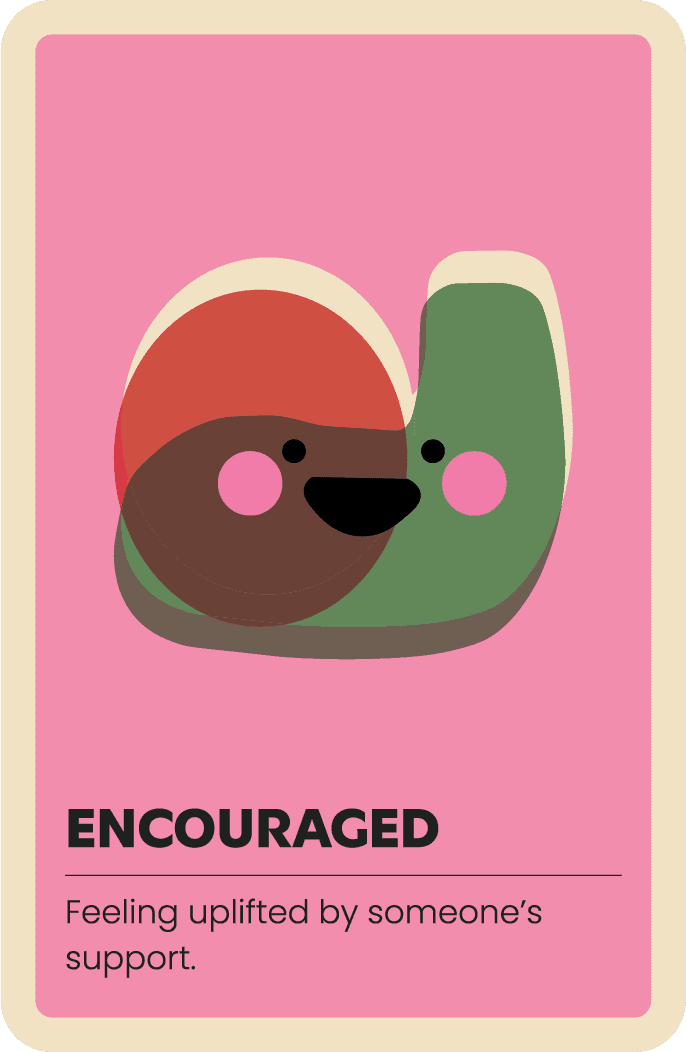
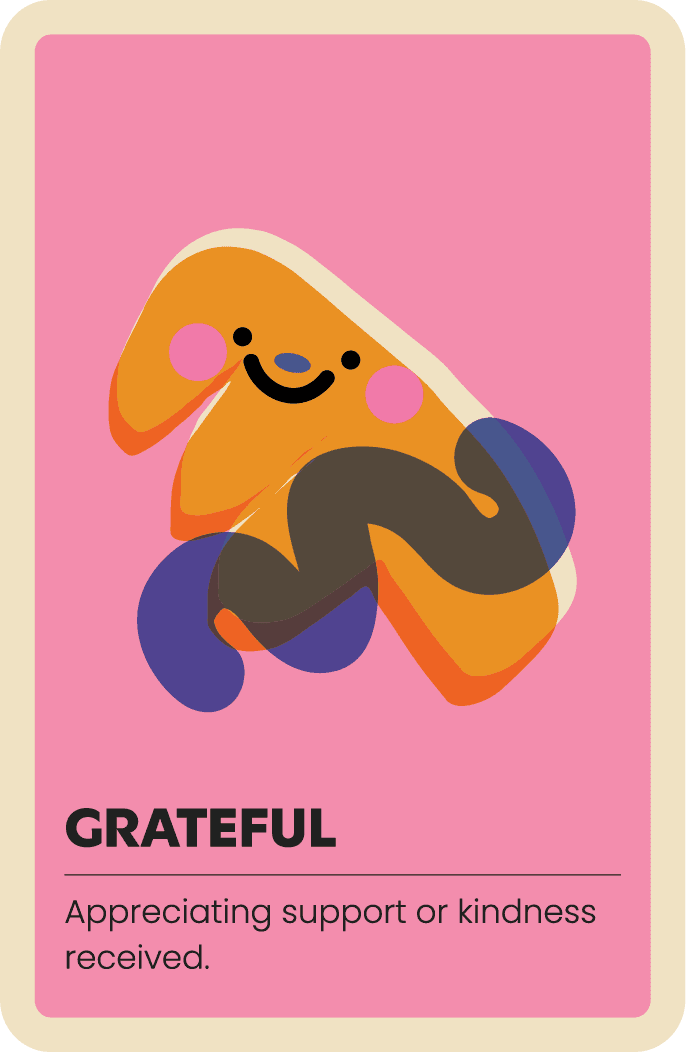
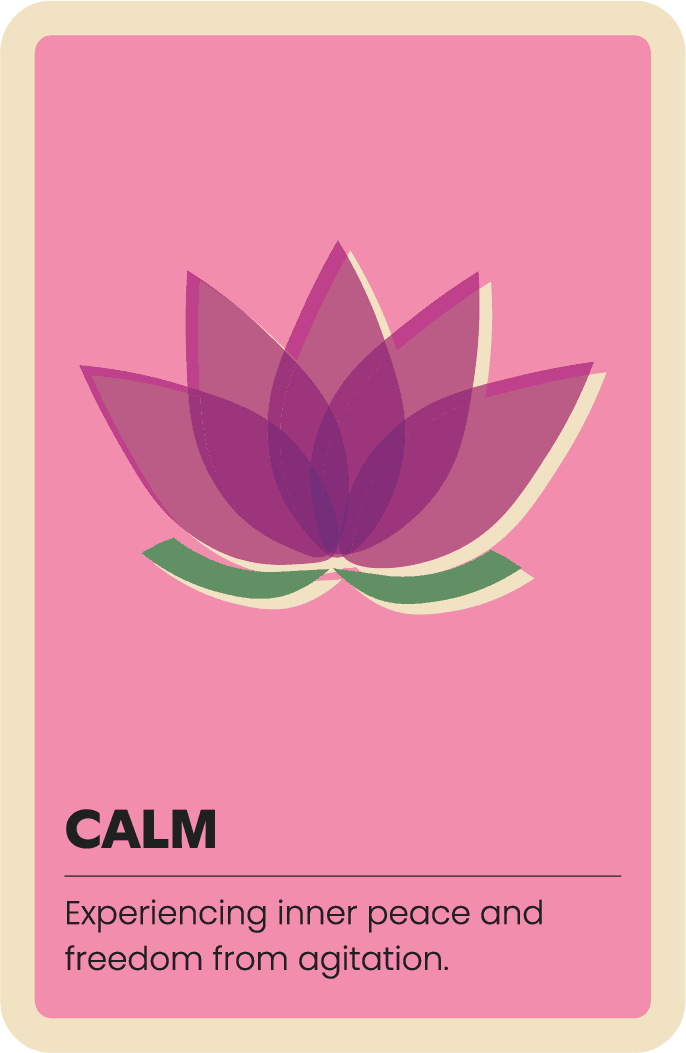
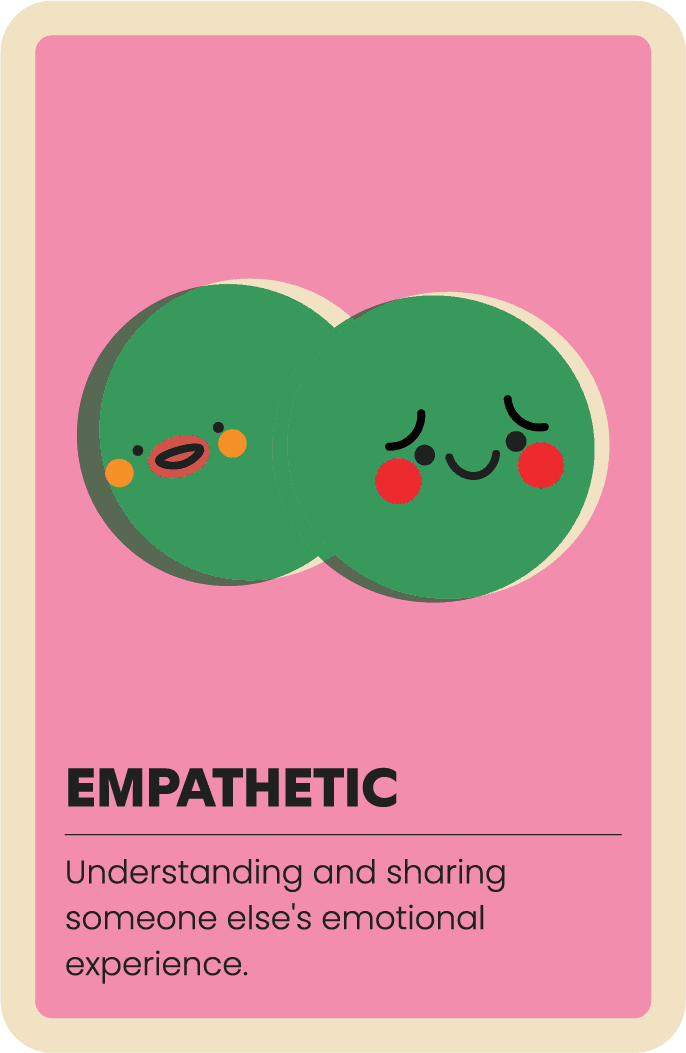
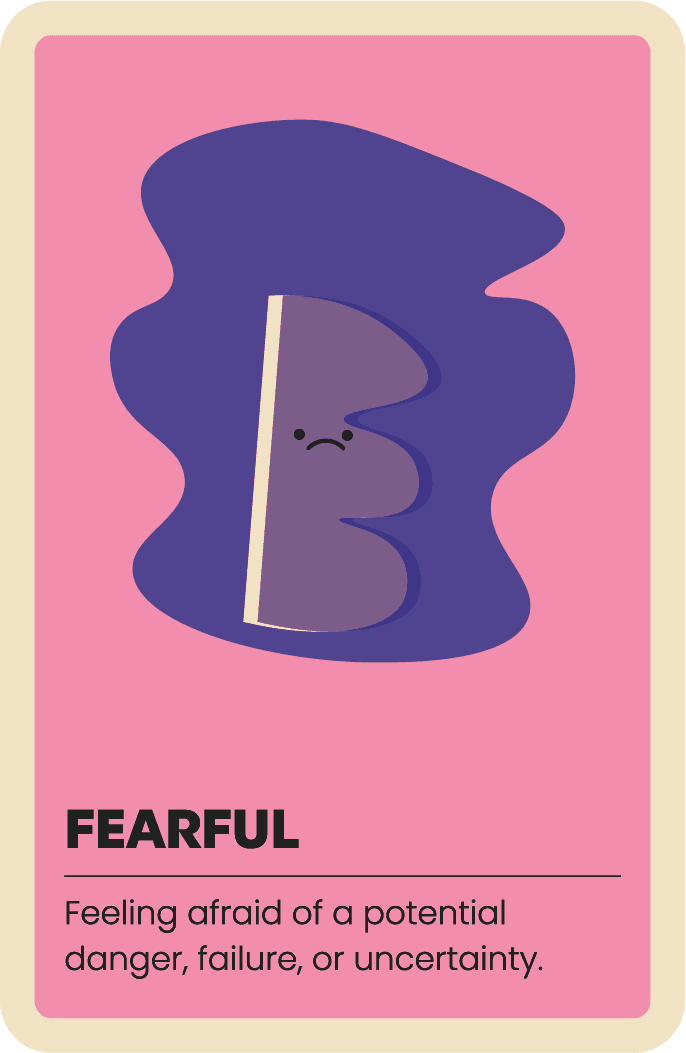
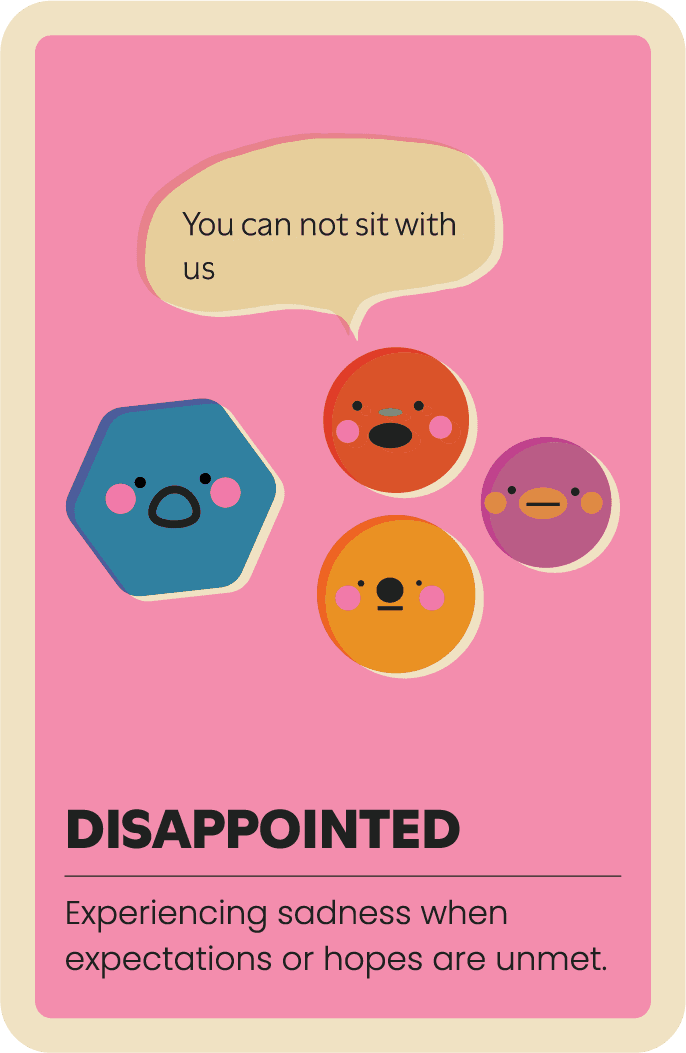
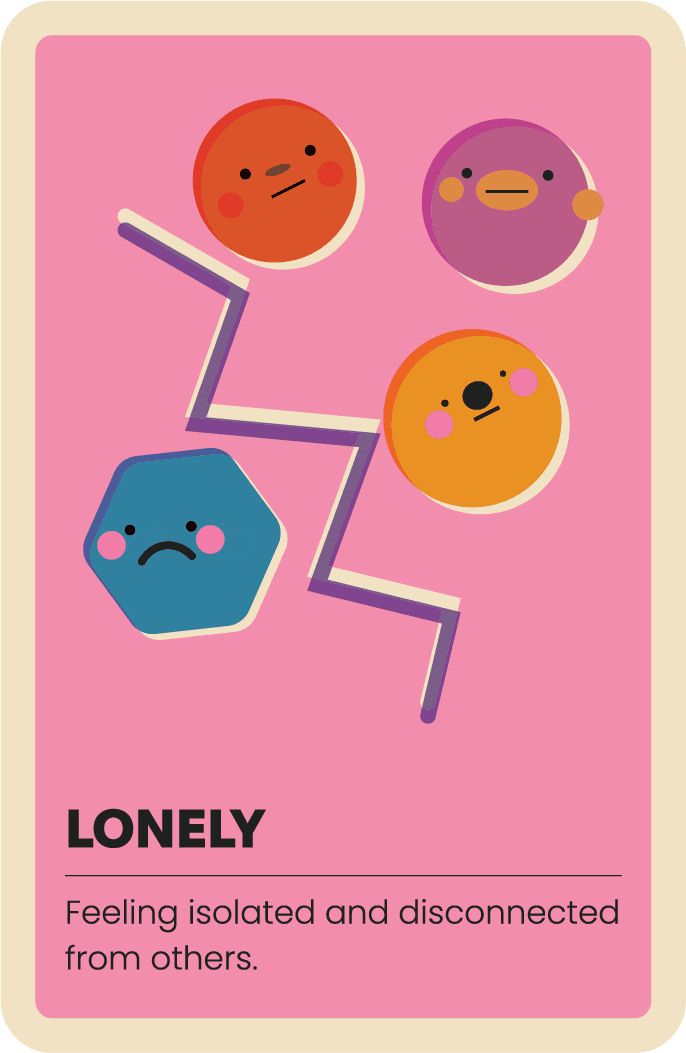
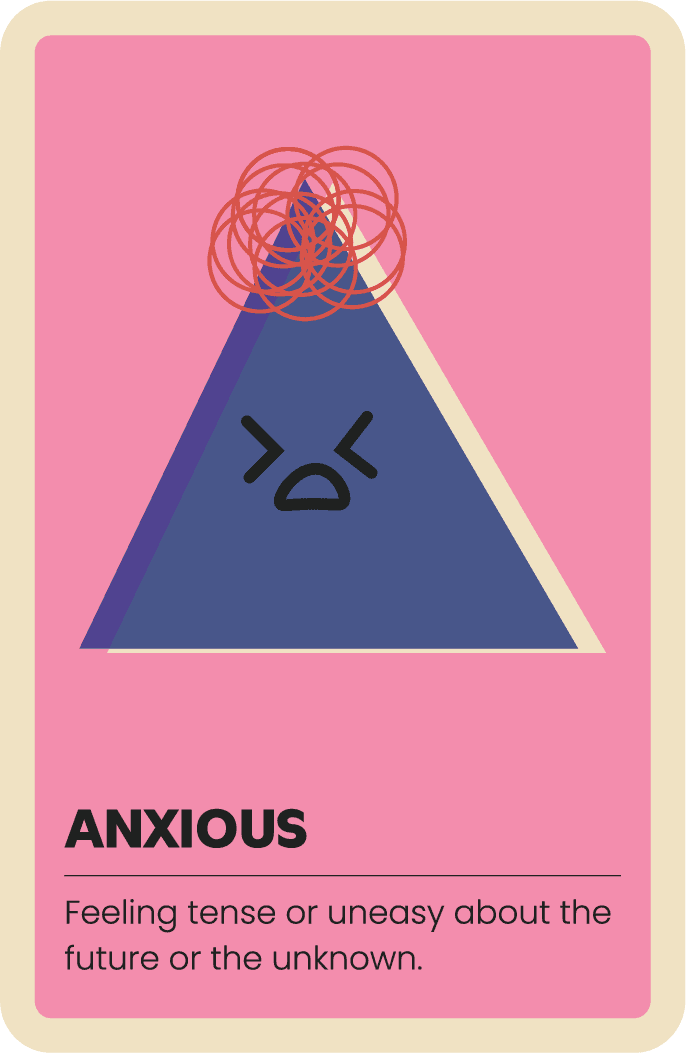
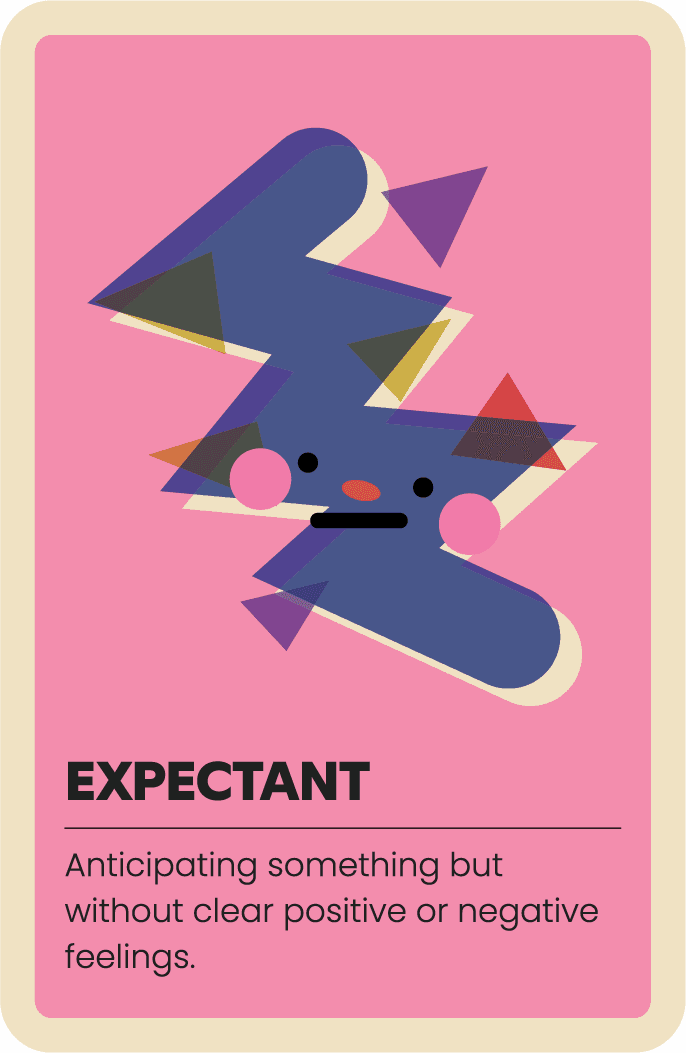
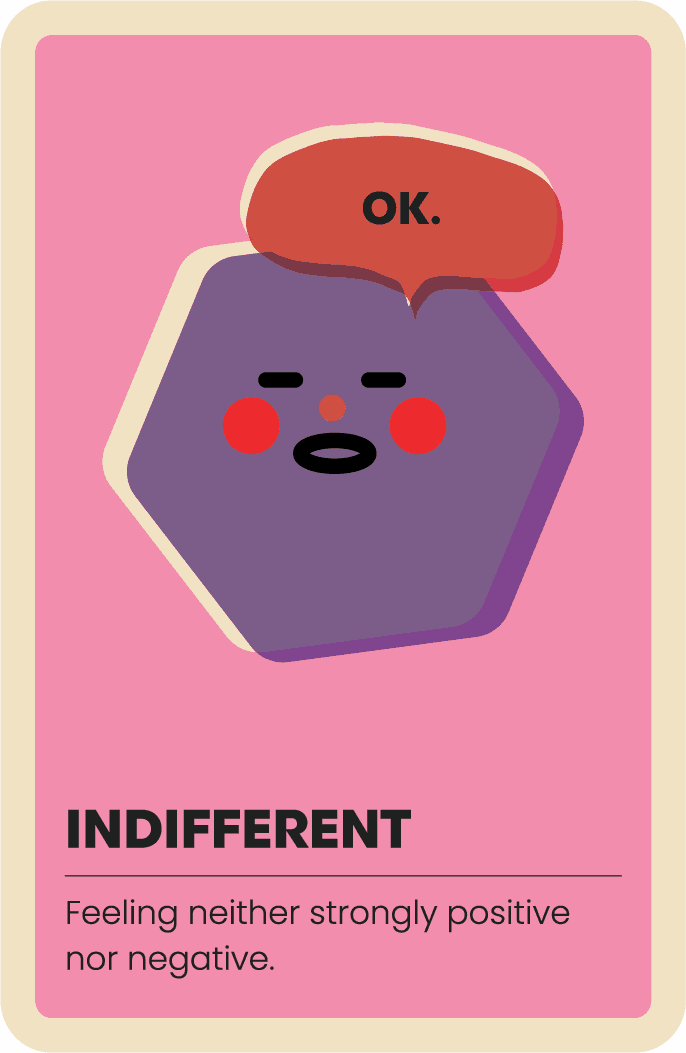
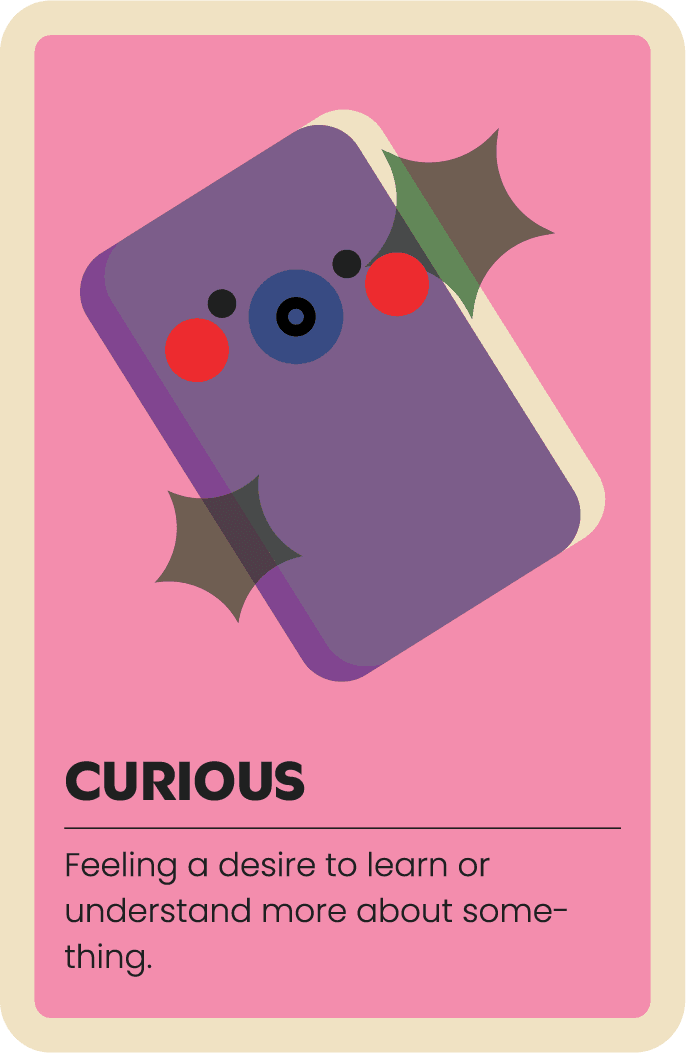
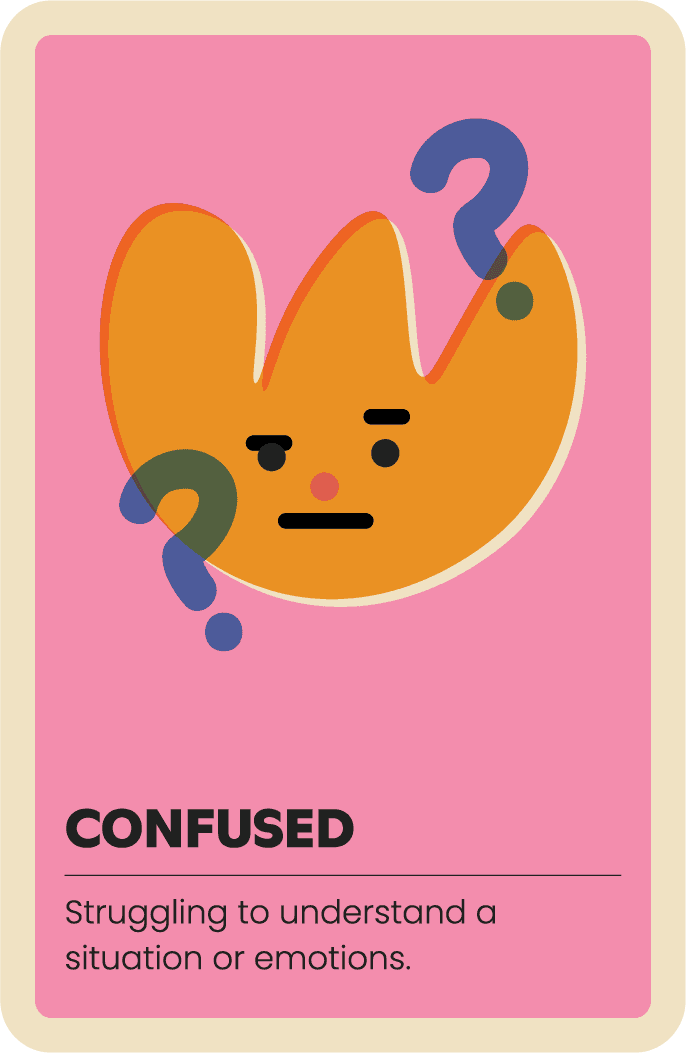
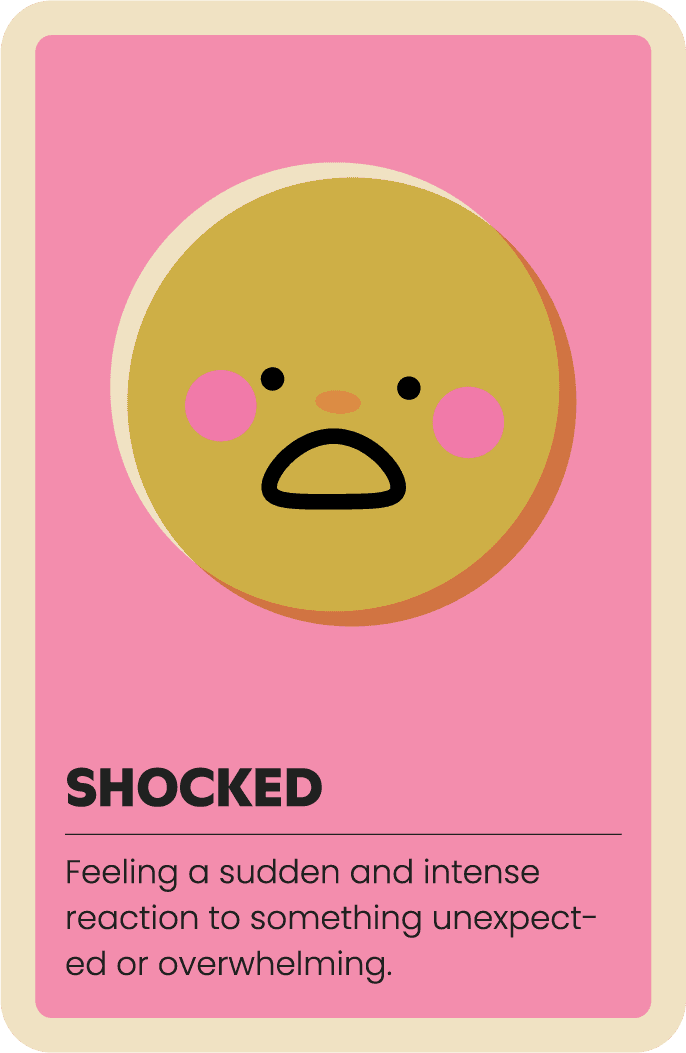
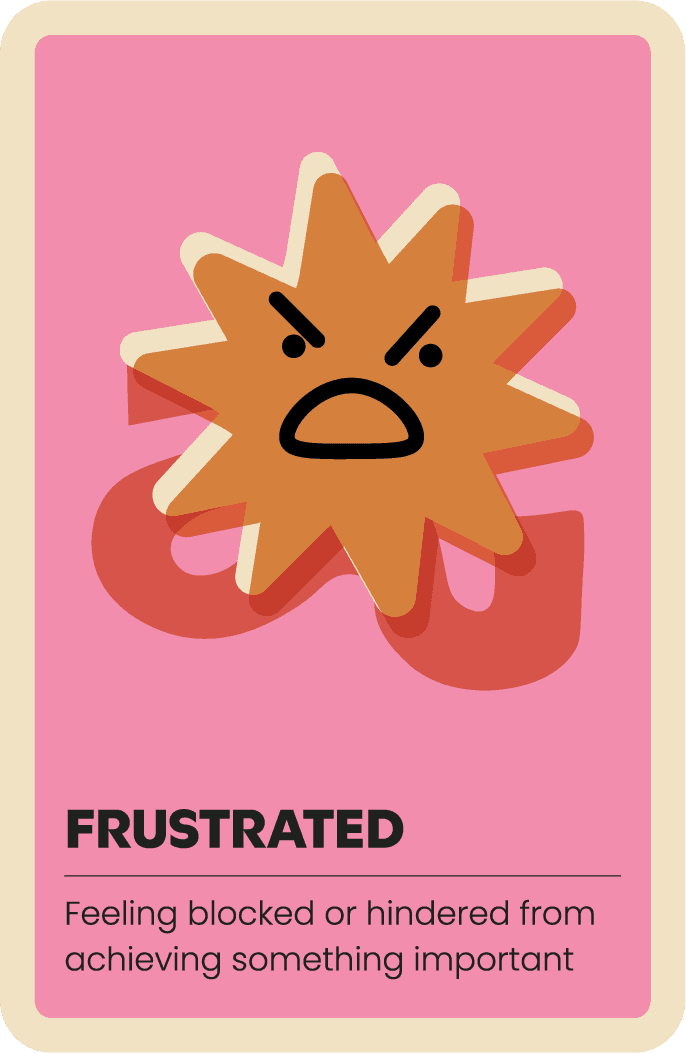
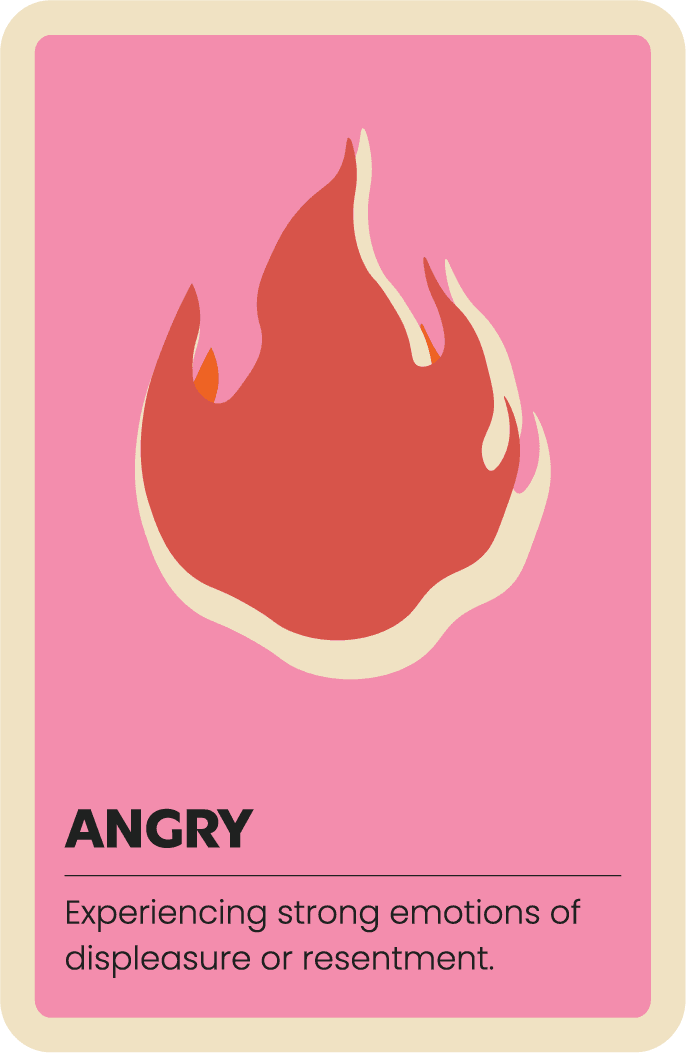
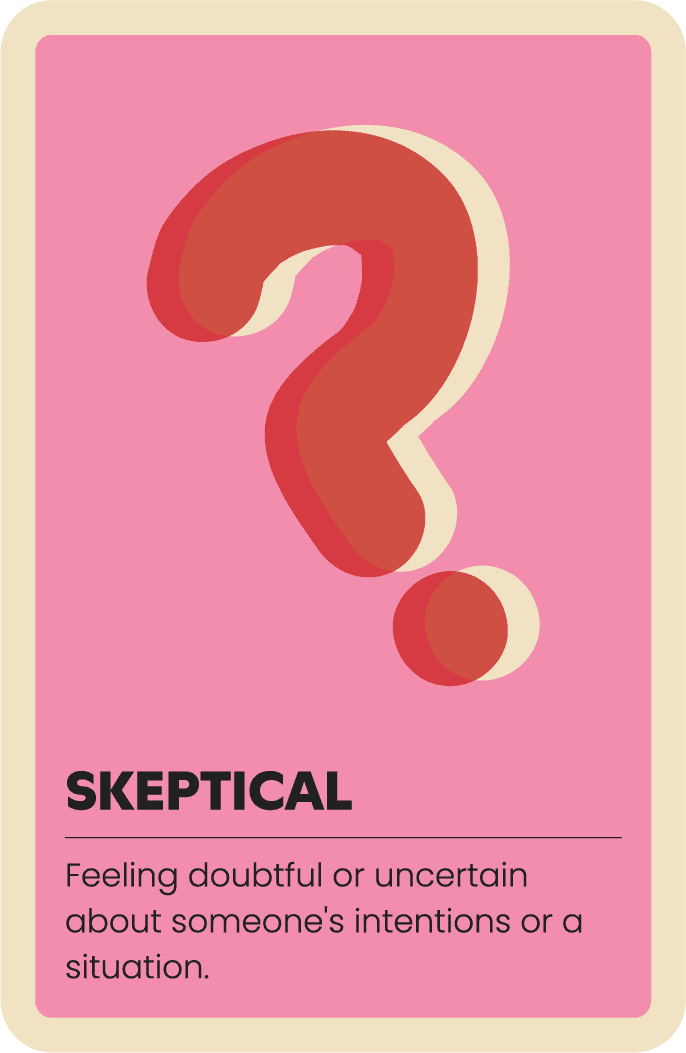
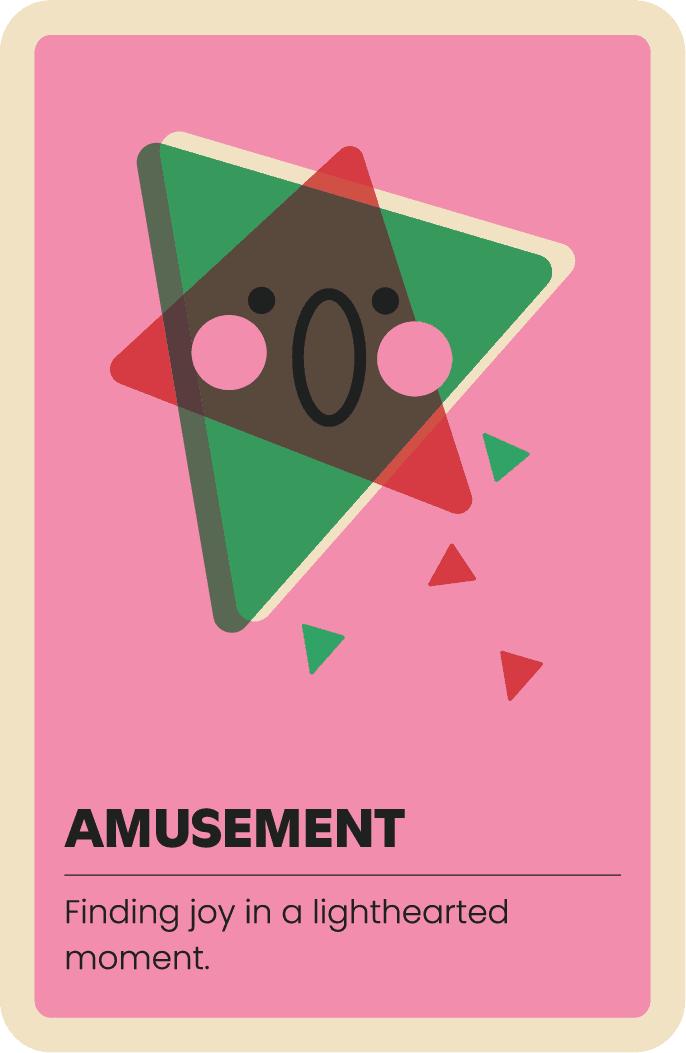
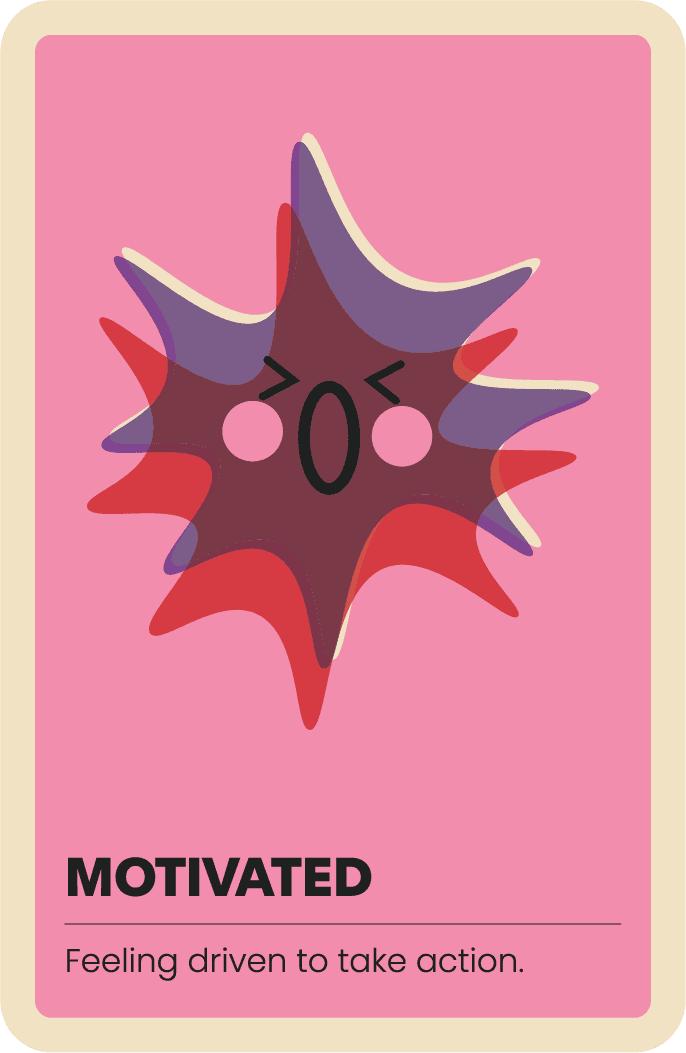
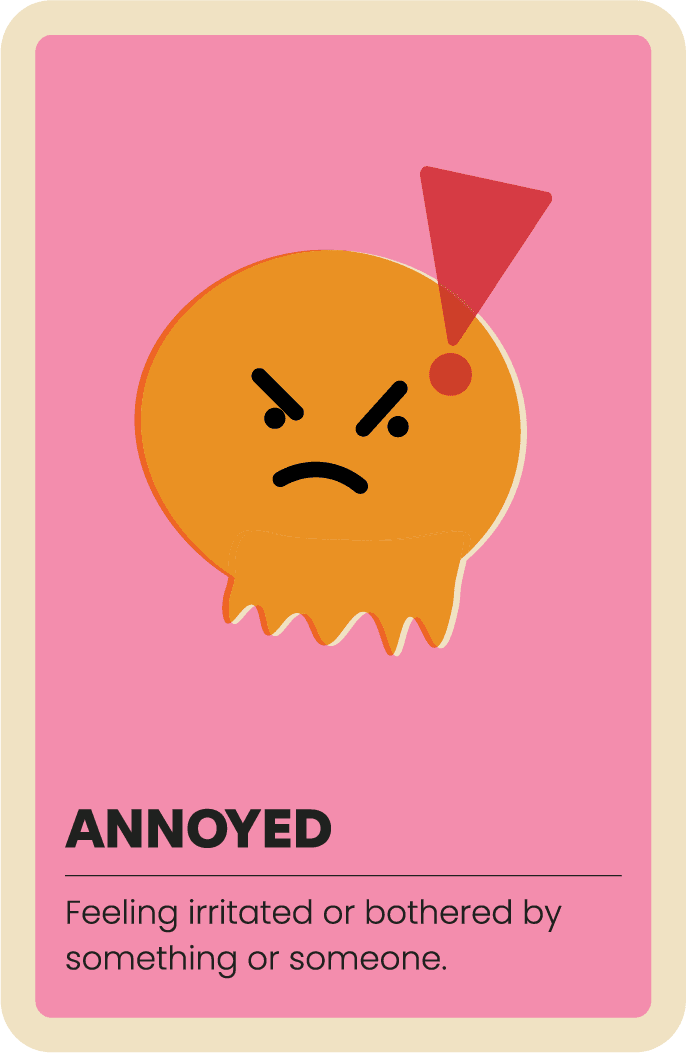
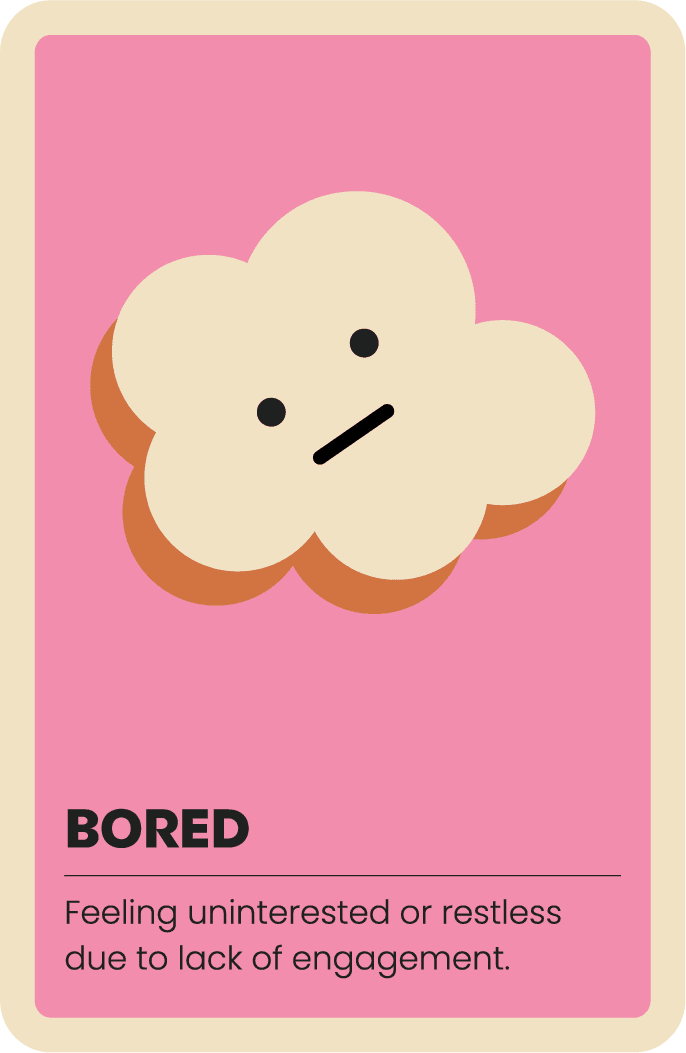
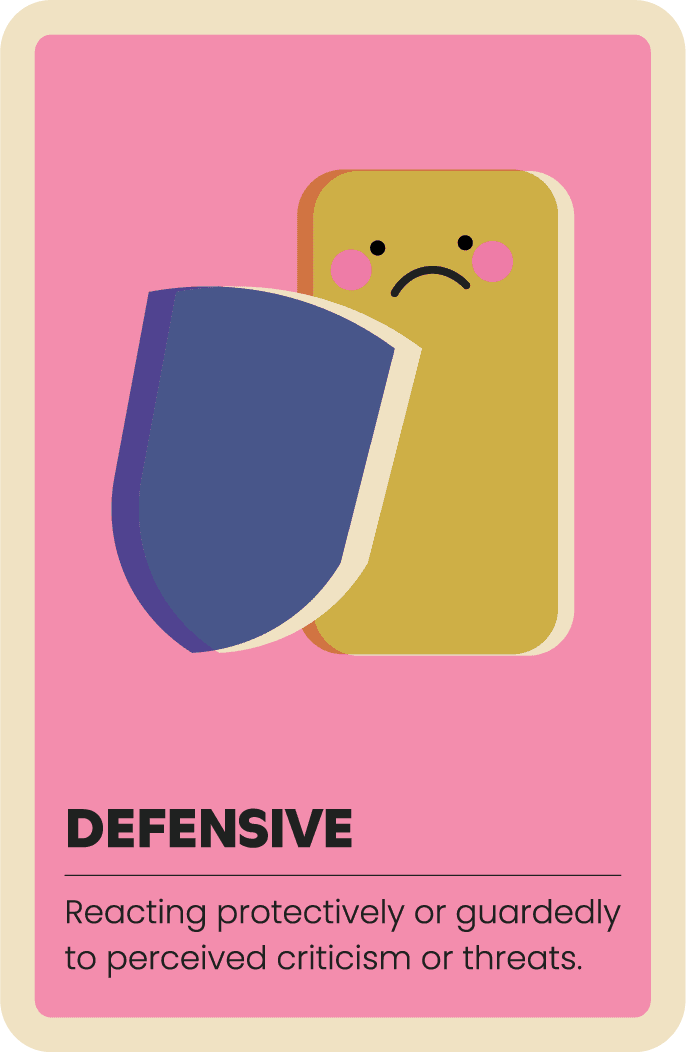
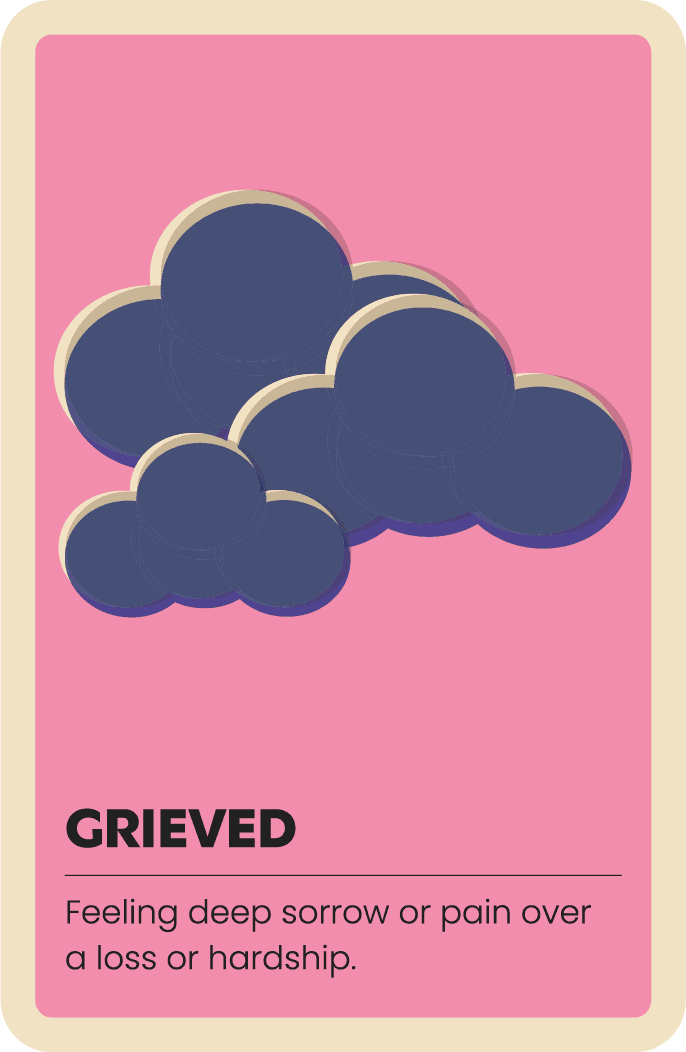
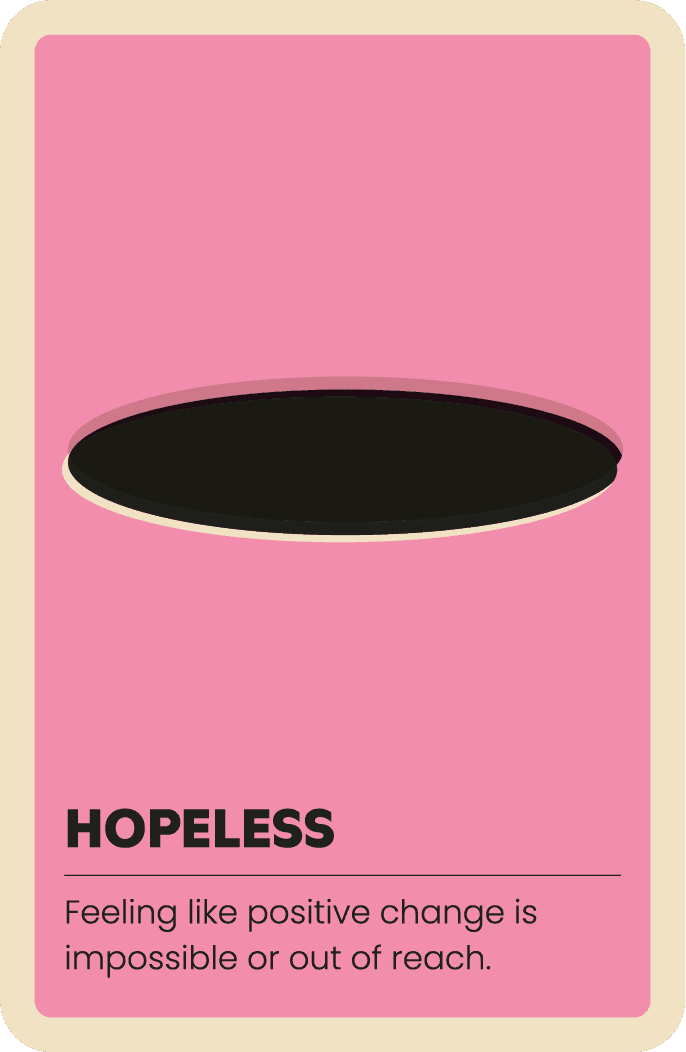
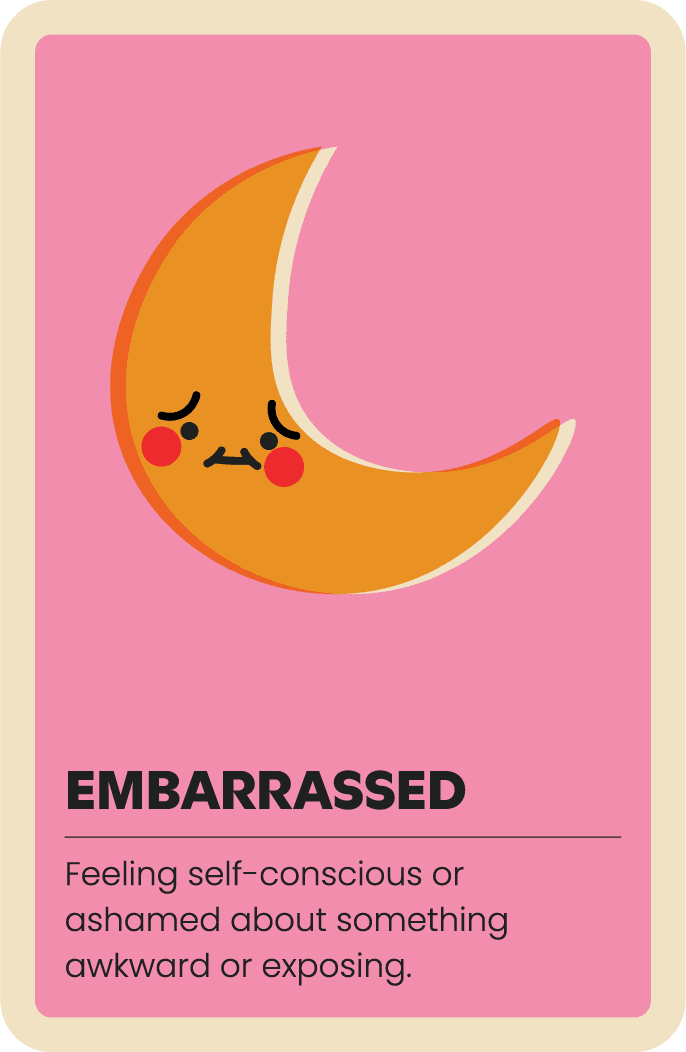
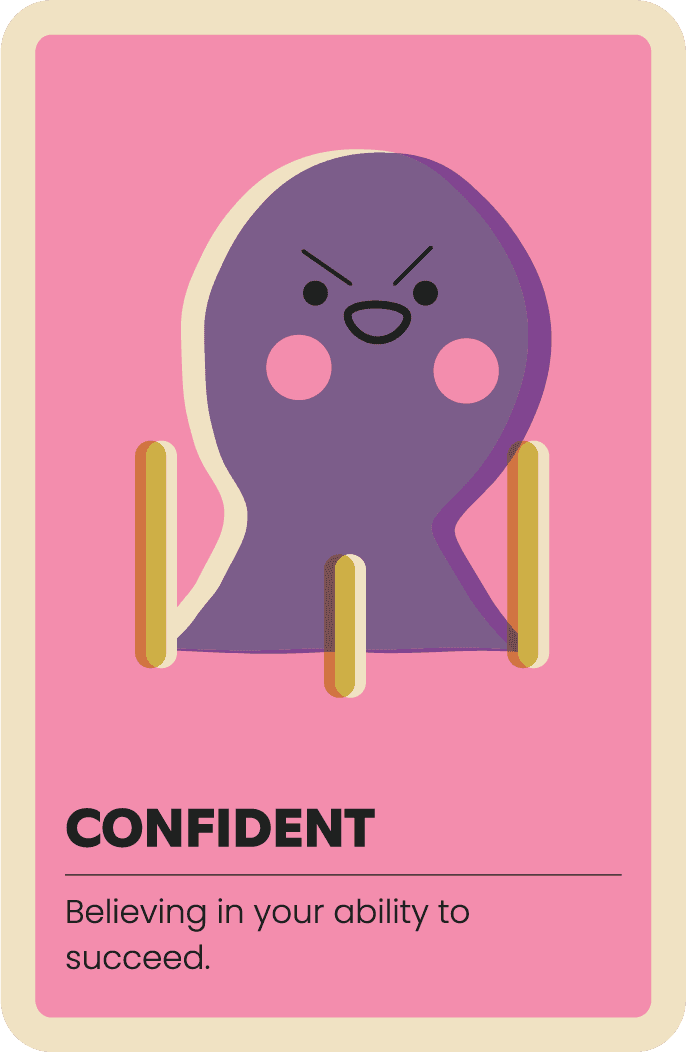
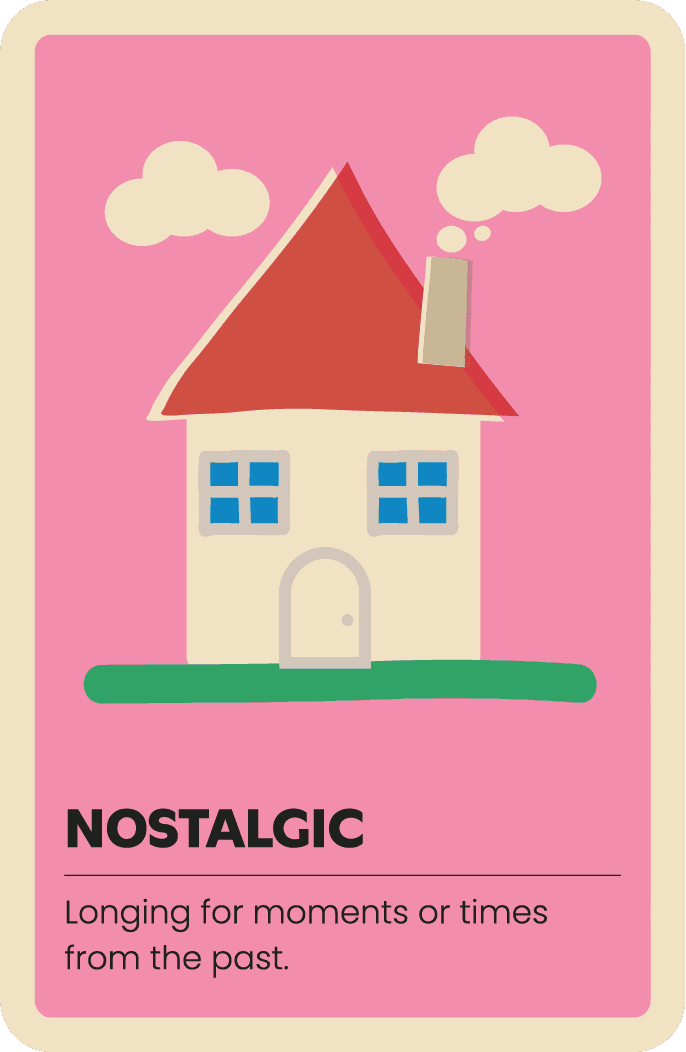
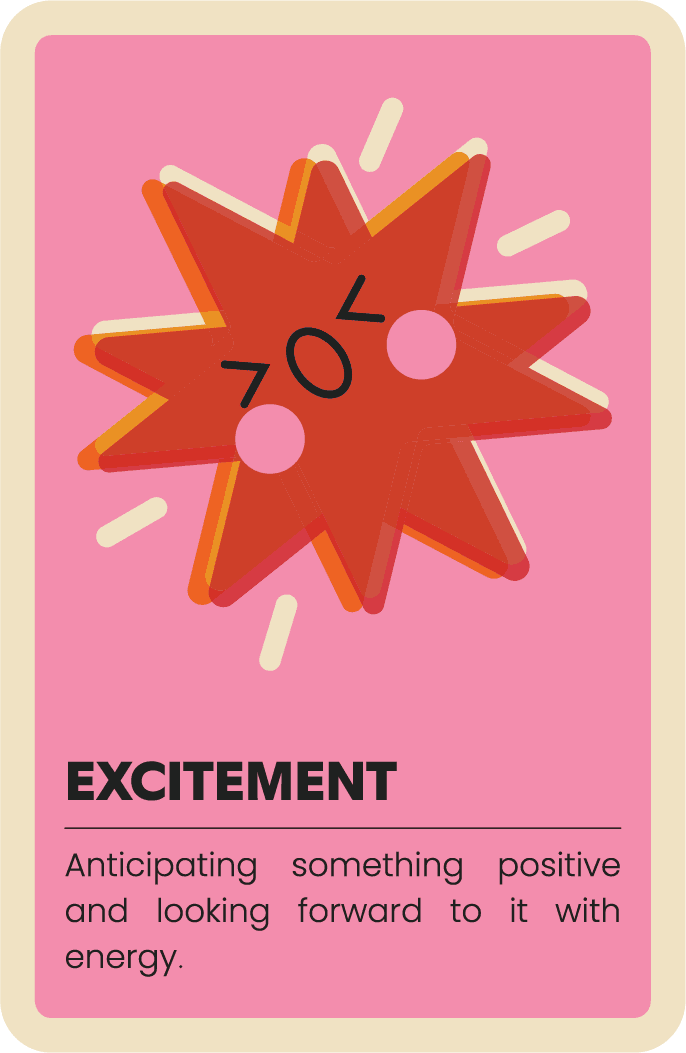
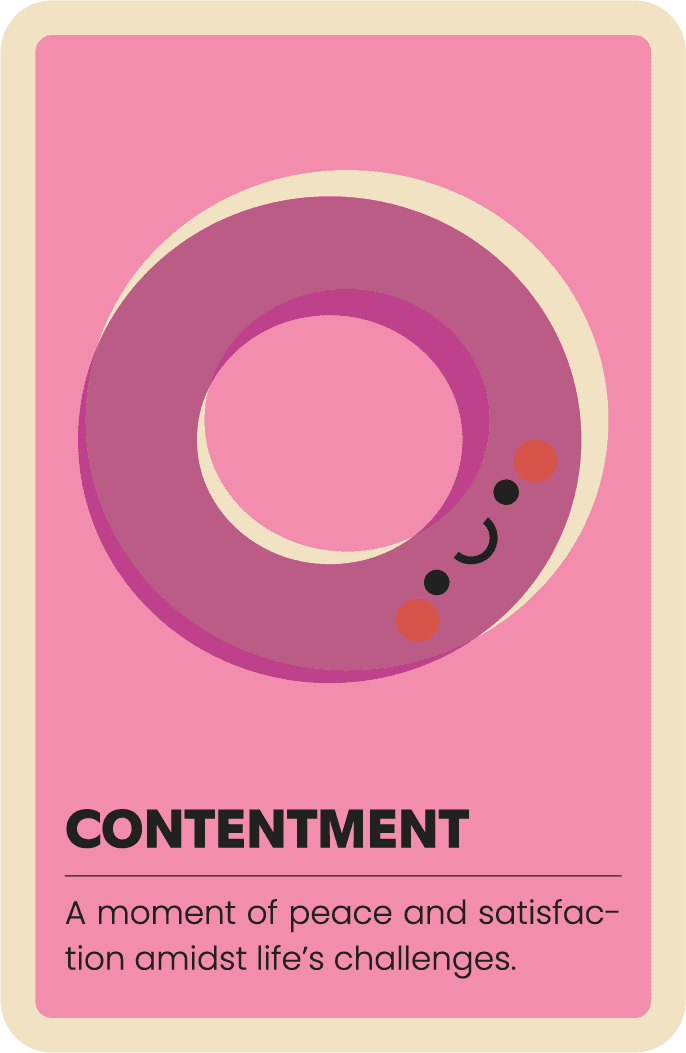
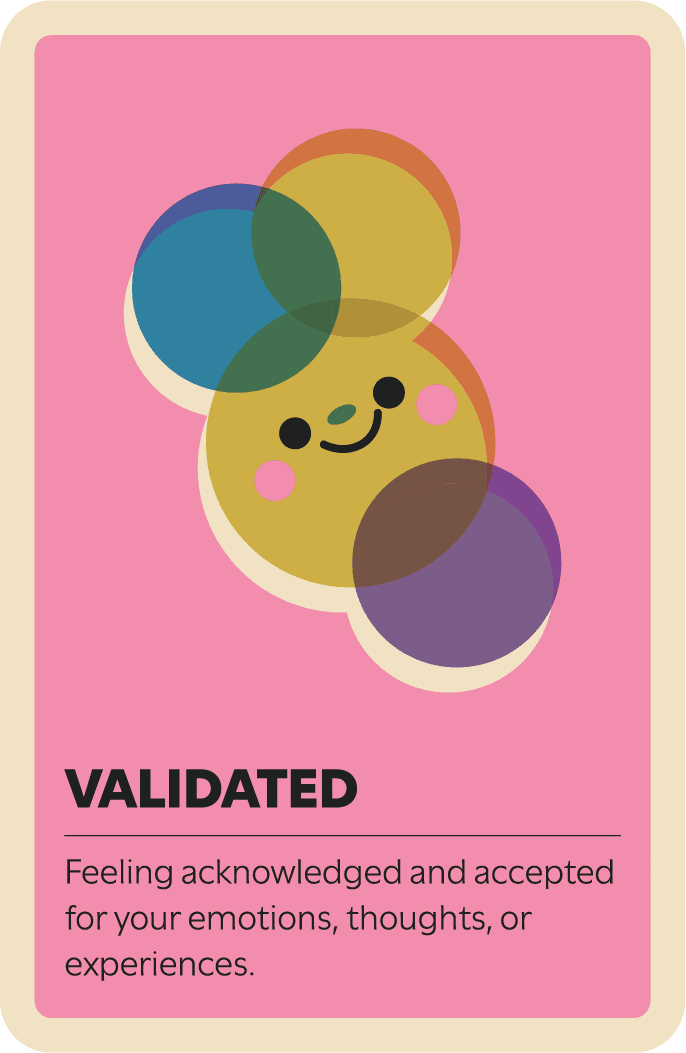
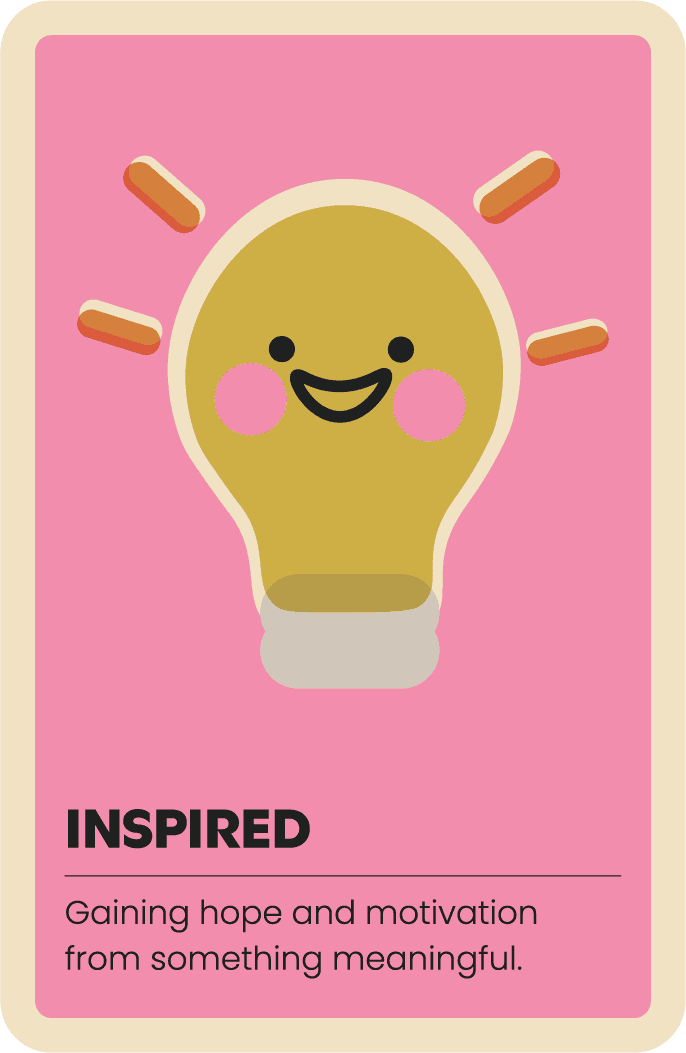
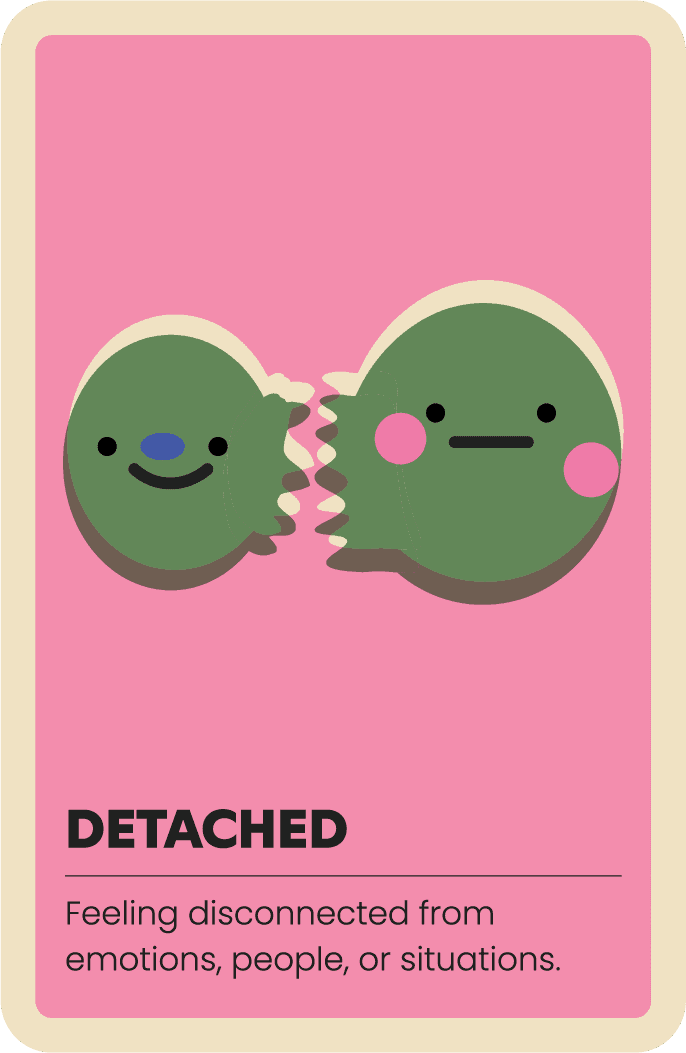
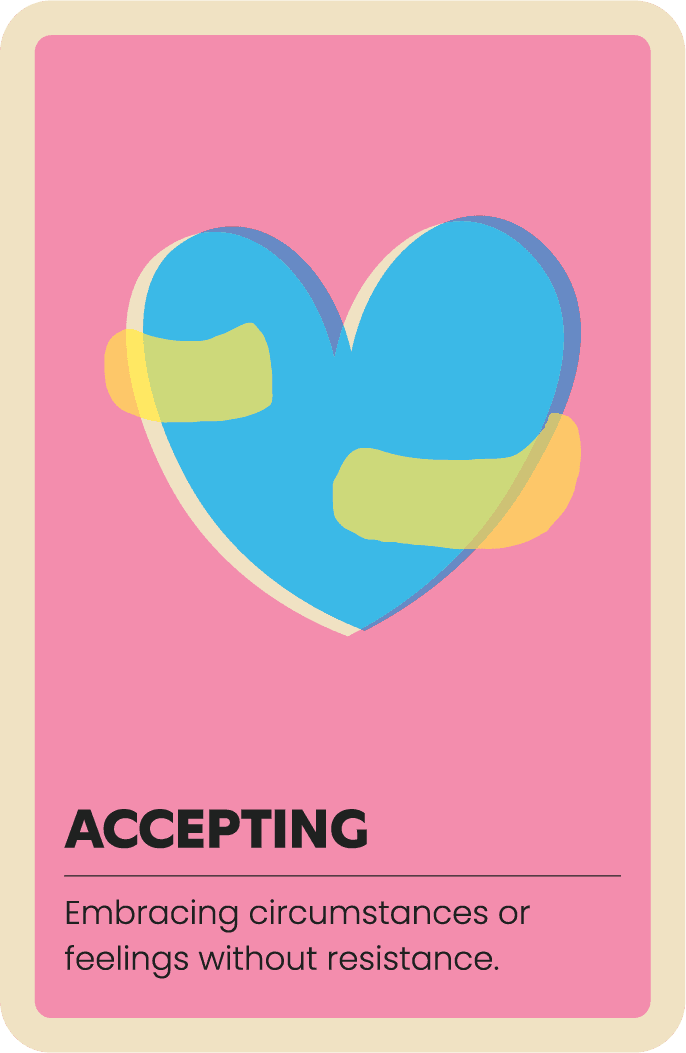
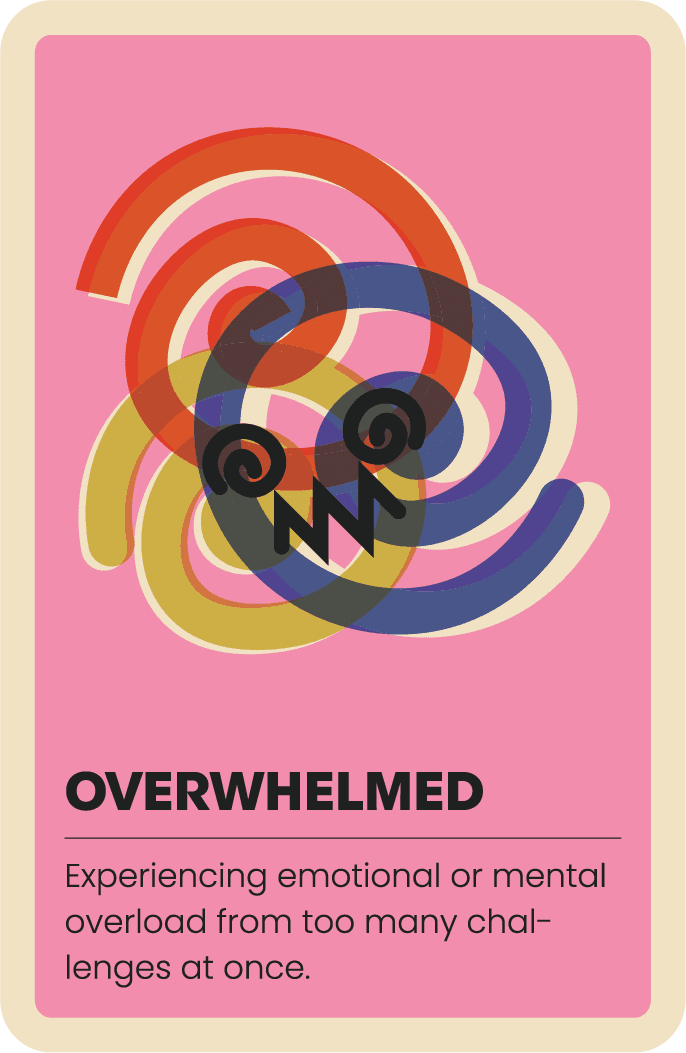
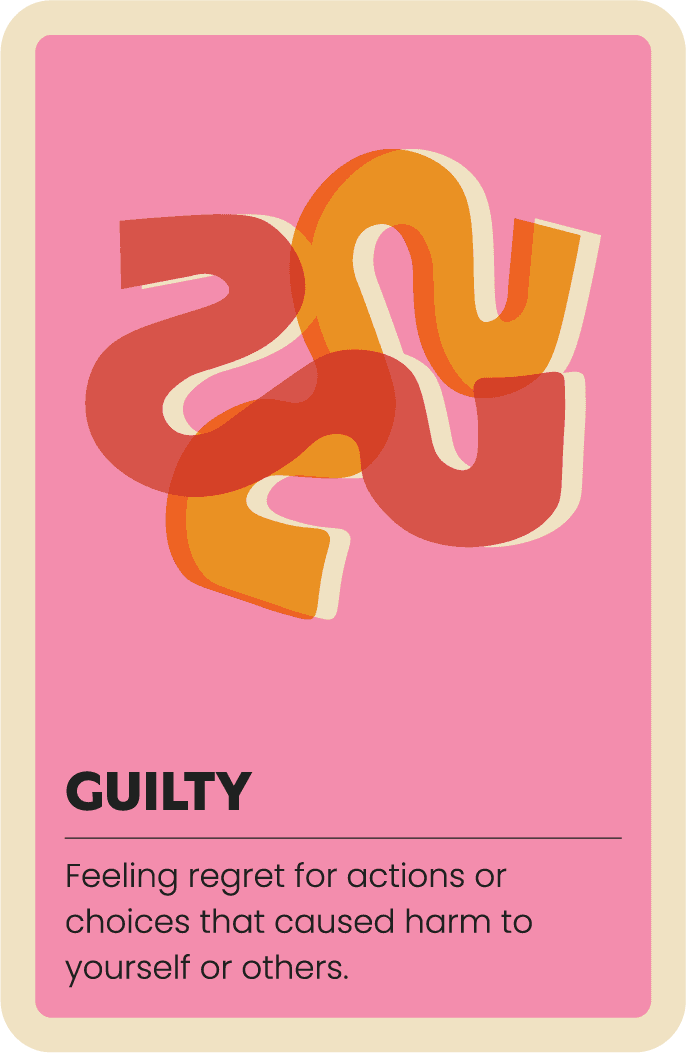
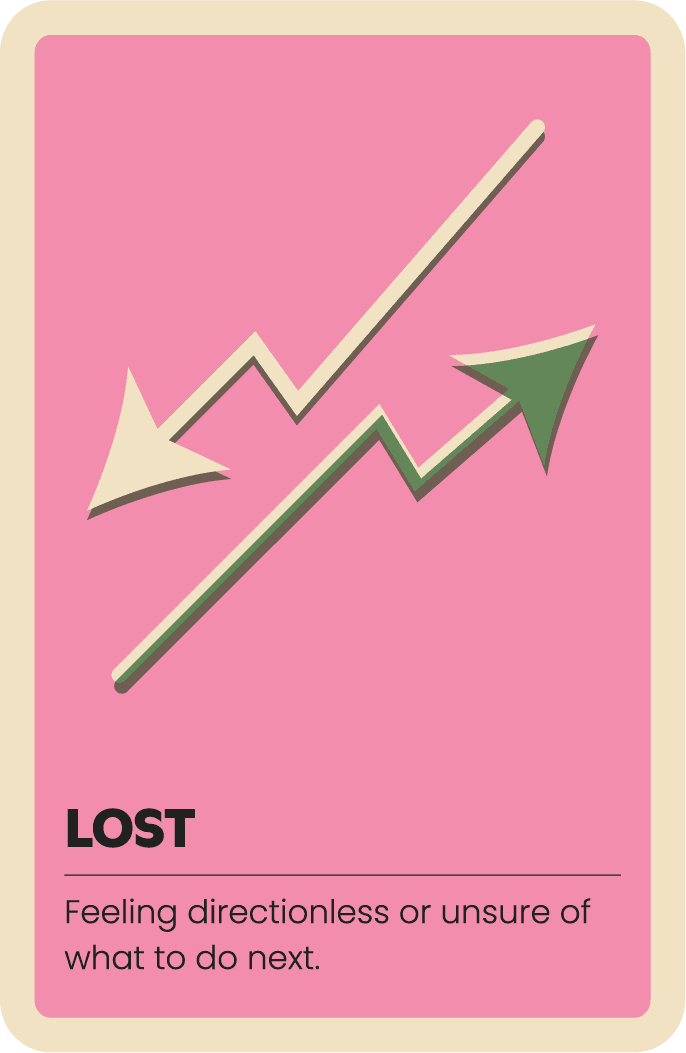
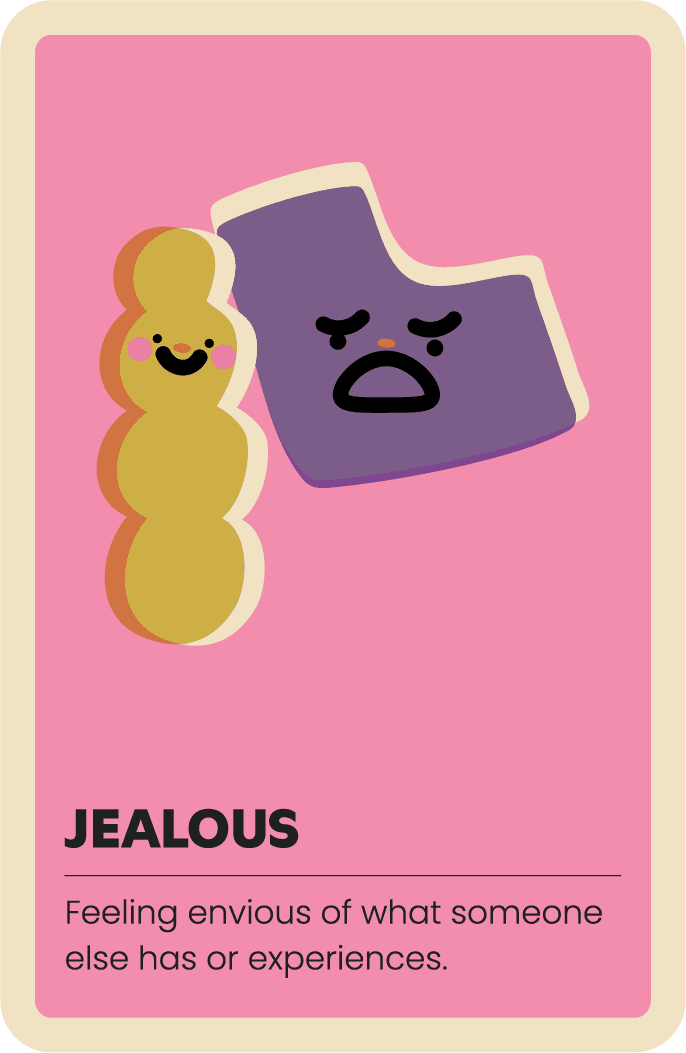
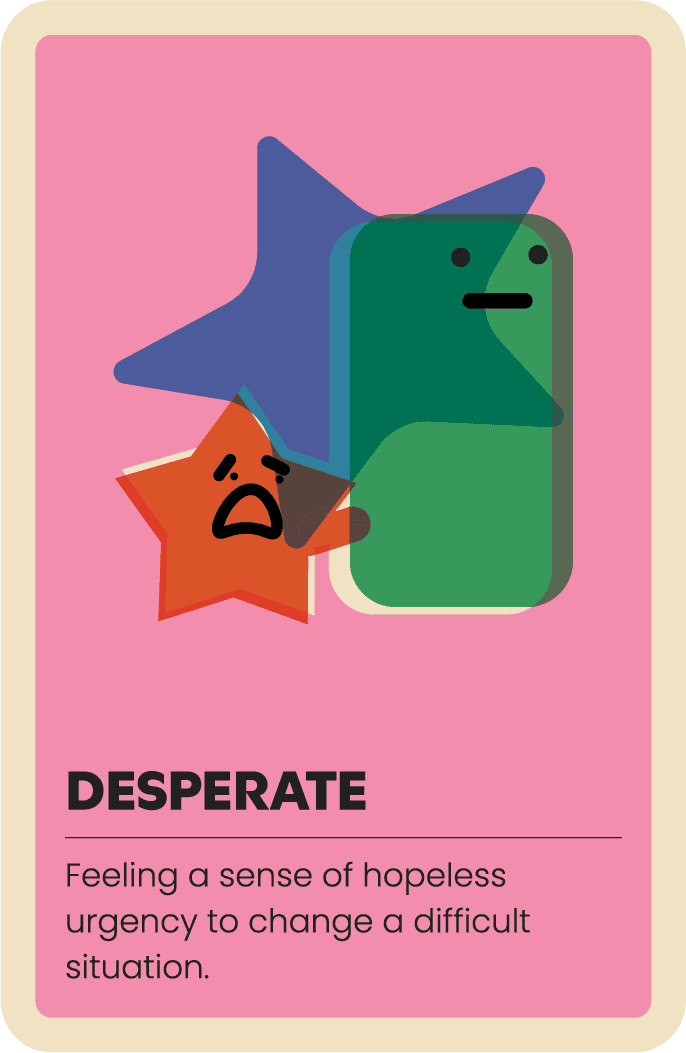
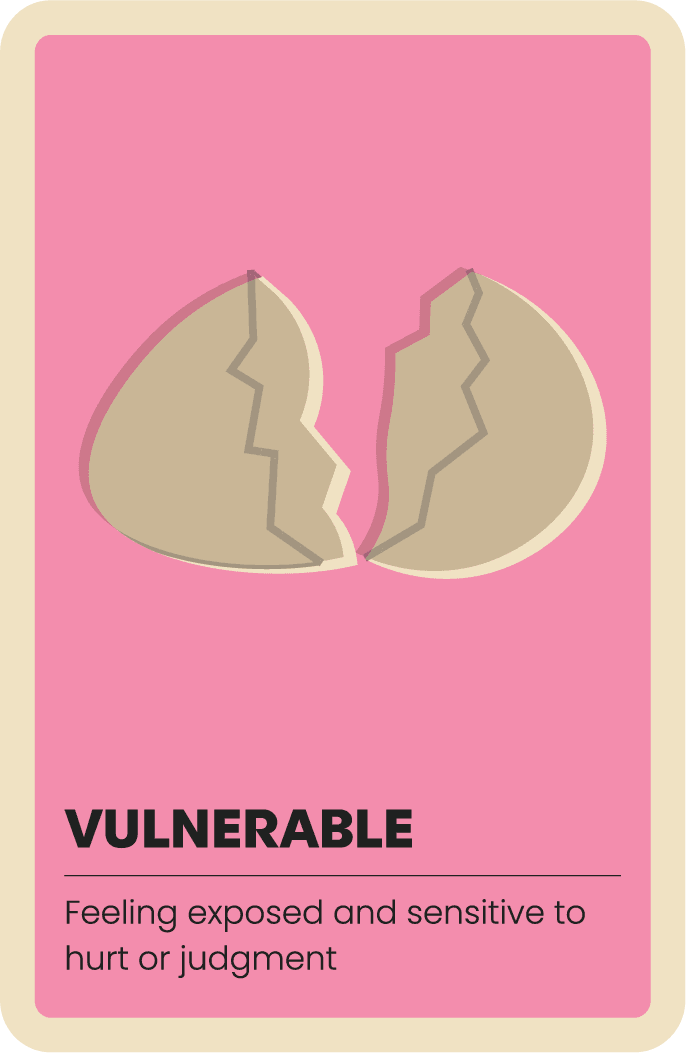
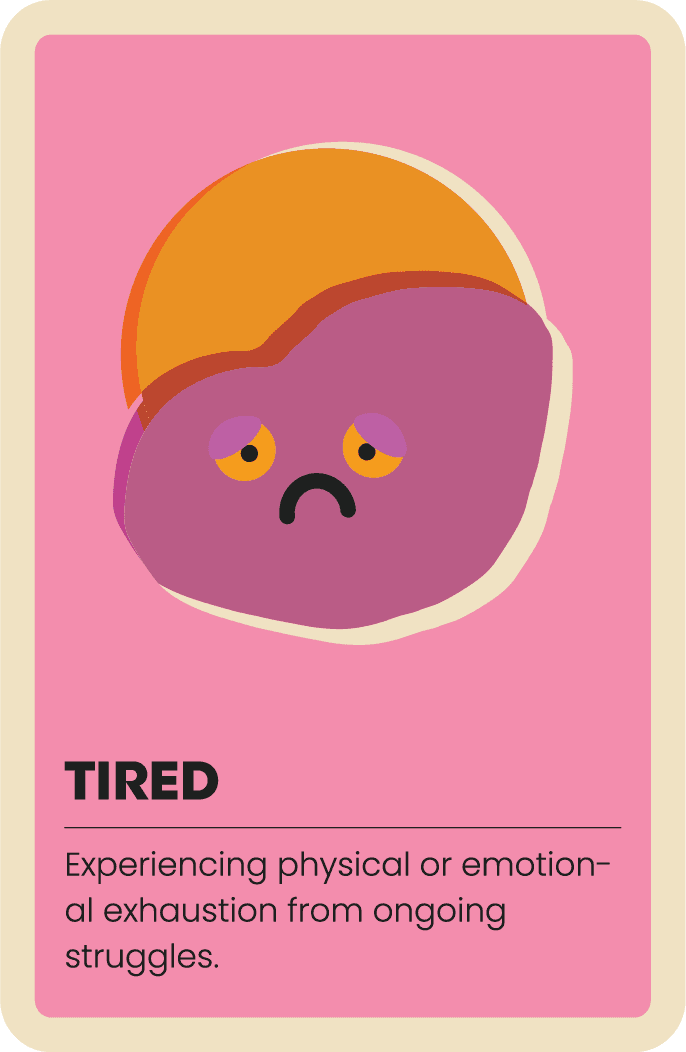
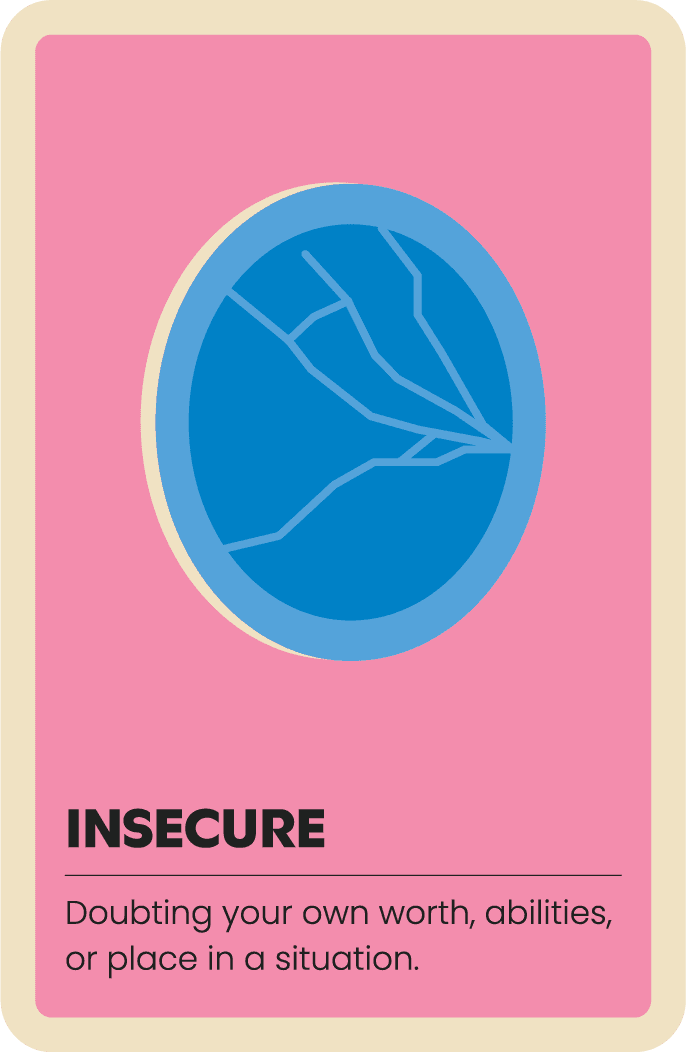
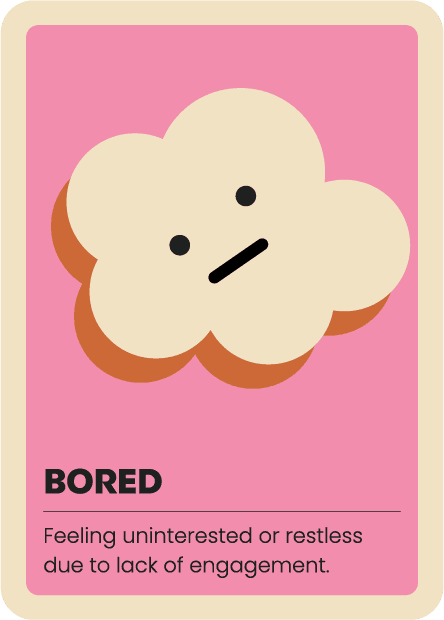
Represents possible emotions the Storyteller may have experienced during their story. These cards help players empathize and connect through emotional insight.
Represents possible emotions the Storyteller may have experienced during their story. These cards help players empathize and connect through emotional insight.
Represents possible emotions the Storyteller may have experienced during their story. These cards help players empathize and connect through emotional insight.
City 01
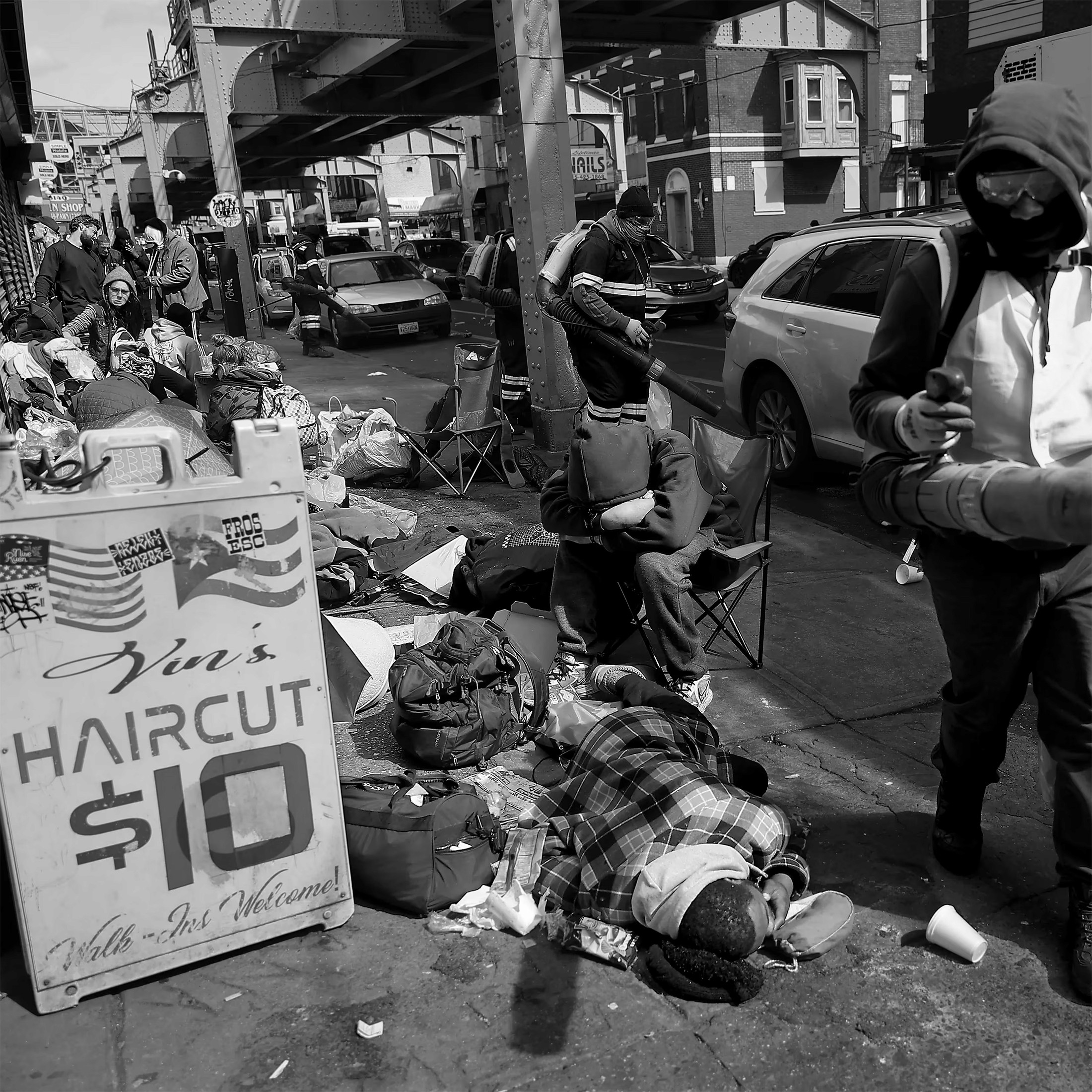
Kensington, Philadelphia
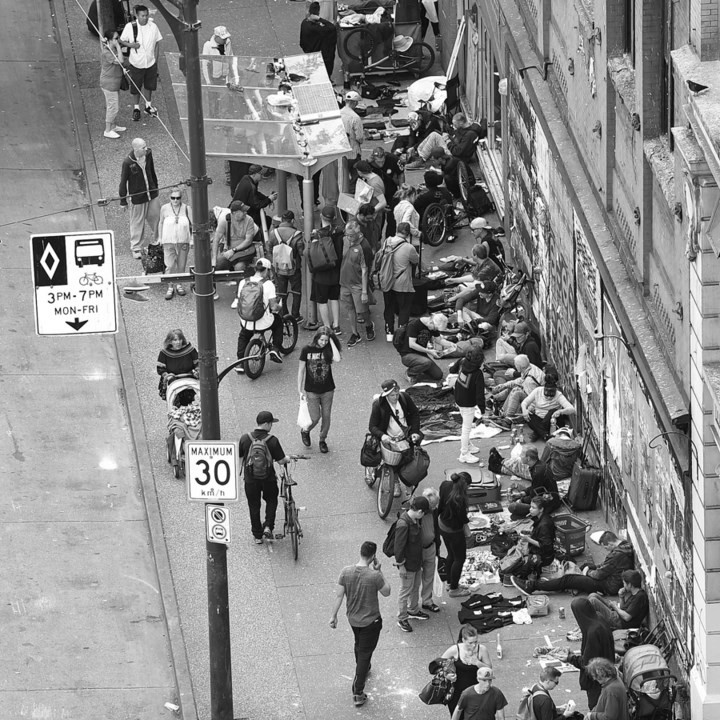
Kensington is known as one of the epicentres of the opioid crisis in the US. We chose this neighbourhood because it shows the visible and ongoing impact of substance abuse in public spaces, revealing the complexity of addiction, poverty, and urban neglect all in one place.
City 02
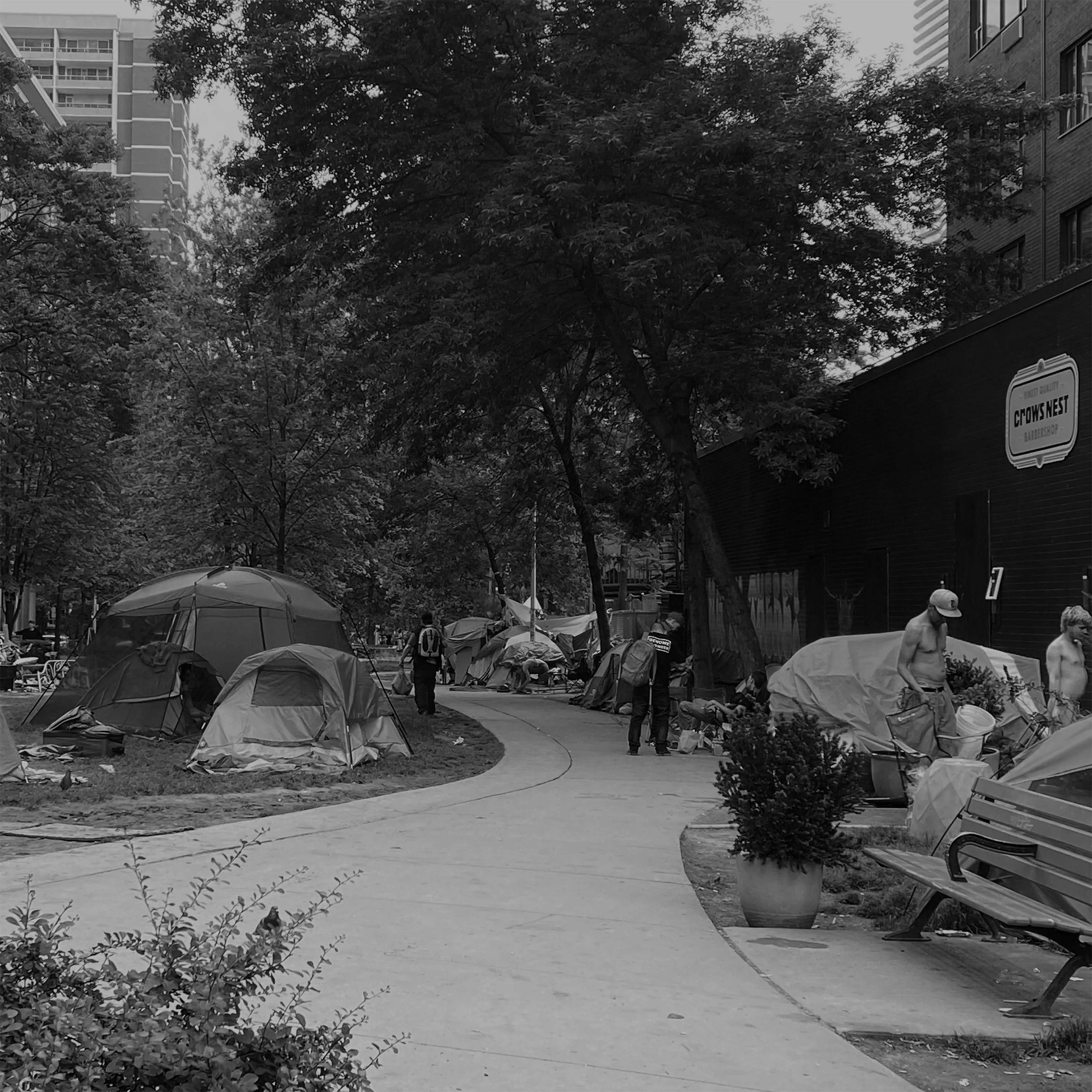
Moss Park, Toronto
Moss Park is a low-income neighbourhood in downtown Toronto with a long history of poverty, homelessness, and drug use. We chose this area because it reflects how systemic issues like housing insecurity and limited access to support services contribute to ongoing substance abuse in urban Canada.
Represents possible emotions the Storyteller may have experienced during their story. These cards help players empathize and connect through emotional insight.
Represents possible emotions the Storyteller may have experienced during their story. These cards help players empathize and connect through emotional insight.
Represents possible emotions the Storyteller may have experienced during their story. These cards help players empathize and connect through emotional insight.
Represents possible emotions the Storyteller may have experienced during their story. These cards help players empathize and connect through emotional insight.
Represents possible emotions the Storyteller may have experienced during their story. These cards help players empathize and connect through emotional insight.
Represents possible emotions the Storyteller may have experienced during their story. These cards help players empathize and connect through emotional insight.
City 03
DTES (Downtown Eastside), Vancouver
The Downtown Eastside is one of Canada’s most marginalized urban areas, known for its high rates of drug use, homelessness, and mental health challenges. We included DTES to understand how long-standing social neglect and concentrated poverty have shaped a community struggling with overlapping crises.
Timeline Mapping
Timeline Mapping
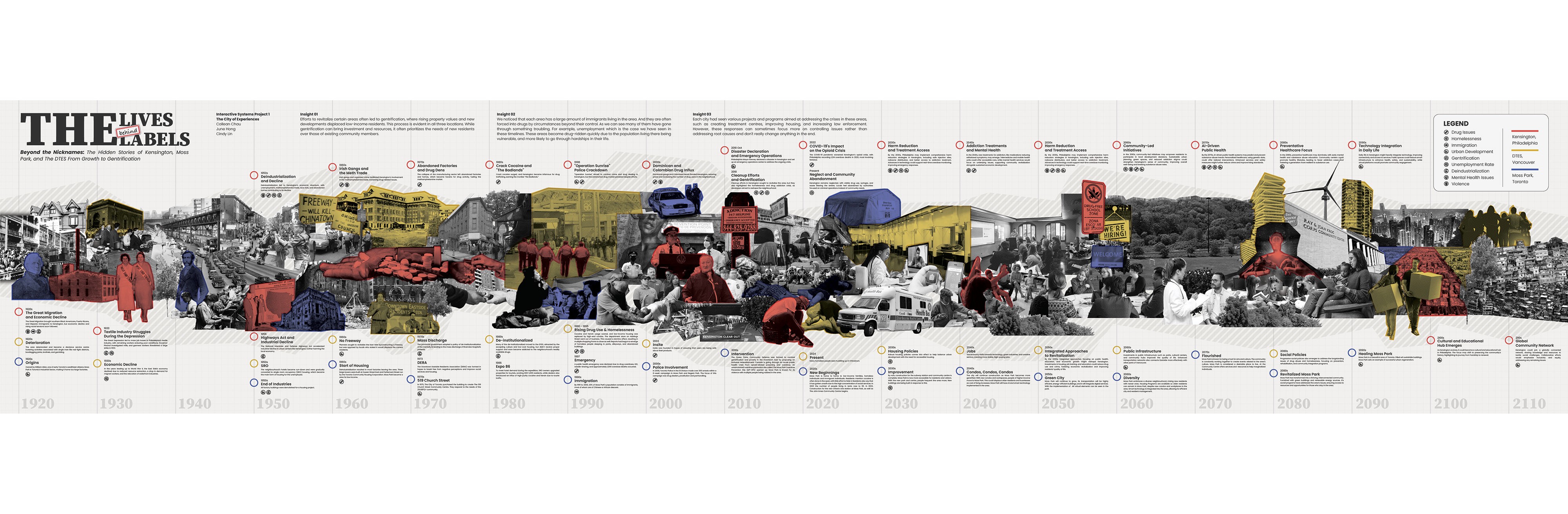
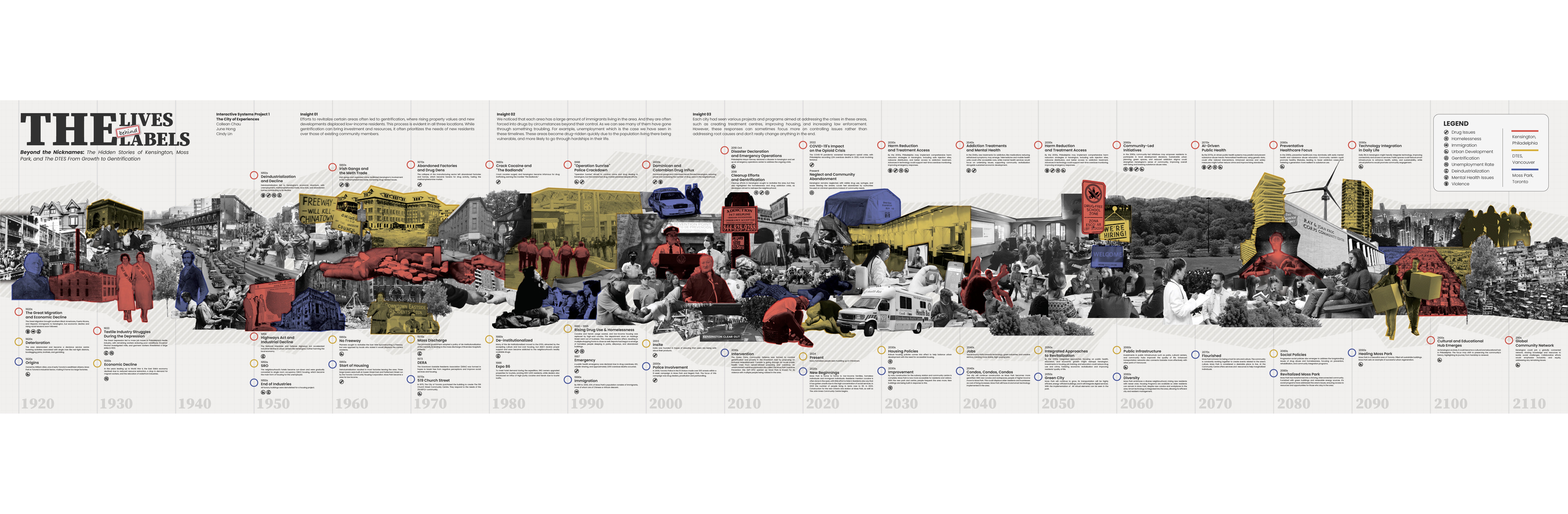
The lives behind the labels
To compare how substance abuse has shaped each city over time, we created a shared timeline that overlays their past, present, and imagined futures. Key events are marked by category, and each city is colour-coded for clarity.
Past
Industrial growth without infrastructure
Rapid industrial growth brought waves of immigrants into cities lacking basic infrastructure. Overcrowding led to housing shortages, and when industries declined, unemployment and poverty surged, laying the groundwork for homelessness and drug issues.
Past
Industrial growth without infrastructure
Rapid industrial growth brought waves of immigrants into cities lacking basic infrastructure. Overcrowding led to housing shortages, and when industries declined, unemployment and poverty surged, laying the groundwork for homelessness and drug issues.
Past
Industrial growth without infrastructure
Rapid industrial growth brought waves of immigrants into cities lacking basic infrastructure. Overcrowding led to housing shortages, and when industries declined, unemployment and poverty surged, laying the groundwork for homelessness and drug issues.
Present
Escalating drug use and homelessness
Public spaces in these cities are now overwhelmed by visible drug use and homelessness. Informal tent communities and high crime rates have made these areas unsafe and isolated, creating cycles that are difficult to escape.
Present
Escalating drug use and homelessness
Public spaces in these cities are now overwhelmed by visible drug use and homelessness. Informal tent communities and high crime rates have made these areas unsafe and isolated, creating cycles that are difficult to escape.
Present
Escalating drug use and homelessness
Public spaces in these cities are now overwhelmed by visible drug use and homelessness. Informal tent communities and high crime rates have made these areas unsafe and isolated, creating cycles that are difficult to escape.
Future
Breaking the cycle through education
To prevent these issues from repeating, future efforts must focus on providing meaningful education to younger generations growing up in these environments, empowering them with tools to change their own paths.
Future
Breaking the cycle through education
To prevent these issues from repeating, future efforts must focus on providing meaningful education to younger generations growing up in these environments, empowering them with tools to change their own paths.
Future
Breaking the cycle through education
To prevent these issues from repeating, future efforts must focus on providing meaningful education to younger generations growing up in these environments, empowering them with tools to change their own paths.
Gained Insights
Gained Insights
Insight 1
Displacement through gentrification
In all three cities, we saw that efforts to revitalize certain neighbourhoods often led to gentrification. As new developments came in and property values rose, long-time residents, especially low-income communities, were pushed out. Even when investment brought in better infrastructure, it tended to serve the needs of newer, wealthier residents more than those already living there.
Insight 2
At-risk immigrant communities
We also noticed that each area had a significant immigrant population, many of whom ended up in vulnerable situations that led to drug use. A lot of this wasn’t due to personal choice, but to circumstances like unemployment or systemic neglect. These areas became heavily impacted by substance use because the people living there were already dealing with a lot of hardship.
Insight 3
Surface-level solutions fall short
Each city had implemented programs to tackle these issues, such as new treatment centres, better housing, or more policing. But these efforts often focused on surface-level control rather than the deeper causes. In the end, not much really changed.
Ideation
Ideation
Exploring early solutions
Using the issues and insights we identified, we began brainstorming ways to support communities affected by substance abuse. This stage was about exploring a range of ideas, including community programs, tools, and interventions. We looked at different target groups, from those already struggling with addiction to people at risk of becoming homeless, and even children growing up in these environments. Before moving forward, we used this process to explore what kinds of support might be possible.
Community Bonding App
A mobile app where residents can join support groups, share resources, and participate in community events. It integrates a location-based map of nearby shelters, clinics, and community kitchens.
Empathy AR game
An AR experience where users step into the shoes of a homeless person or recovering addict to understand their struggles. Players navigate challenges and build relationships to rebuild their life.
Future Generations Toolkit
A tangible kit for schools with VR glasses, interactive books, and lesson plans on addiction prevention, social equity, and urban design. VR modules show how small actions today affect cities' futures.
AI-Powered Mentor Device
A voice-activated device or app that provides personalized advice and training for overcoming social challenges. It can answer questions, suggest career paths, and provide education tailored to the user.
Interactive Education App
A gamified app where users learn about urban planning, policy-making, and social justice. Players simulate running a city, balancing housing, resources, and public health to prevent crises.
Cultural Integration
Board GameA tangible board game where players simulate an immigrant's journey, facing challenges like learning the language, finding housing, and getting a job.
Portable Community Hub
A physical, modular cart that acts as a mobile community center. It includes a screen for interactive activities (games, shared storytelling), and foldable tables for group discussions or workshops.
Interactive Welcome Box
A tangible product with a built-in touchscreen device that introduces local culture, language basics, and resources. The box also contains physical items like translated maps, guides, and VR glasses for a virtual city tour.
Wearable Connection Band
A wearable bracelet that lights up when nearby community members with similar interests or support needs are present, encouraging connection and conversations.
Real-Time Monitoring Patch
A wearable patch and device that track drug levels in real time. Users can monitor their own condition, while medical staff are alerted to dangerous spikes for timely and safer intervention.
Support Match App
A matching app that connects people in recovery or homelessness with volunteers, researchers, or listeners. It fosters long-term conversation and trust to reduce isolation.
Through our early concepts, we realized that many solutions addressed only surface-level symptoms of substance abuse. To create real impact, we needed to focus on the deeper causes behind these issues.
Through our early concepts, we realized that many solutions addressed only surface-level symptoms of substance abuse. To create real impact, we needed to focus on the deeper causes behind these issues.
Shifting Focus
Shifting Focus
What if the problem
isn't the substance?
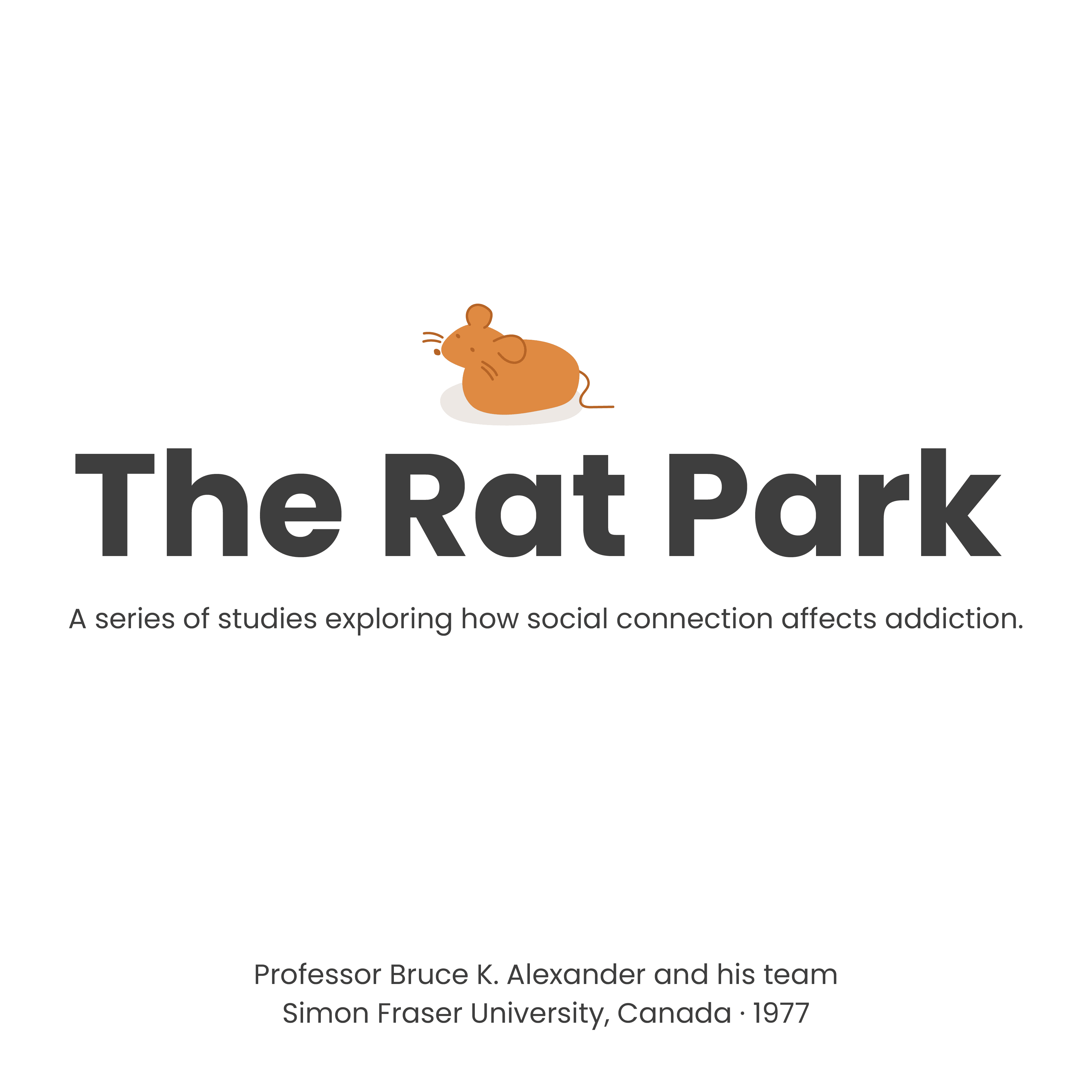
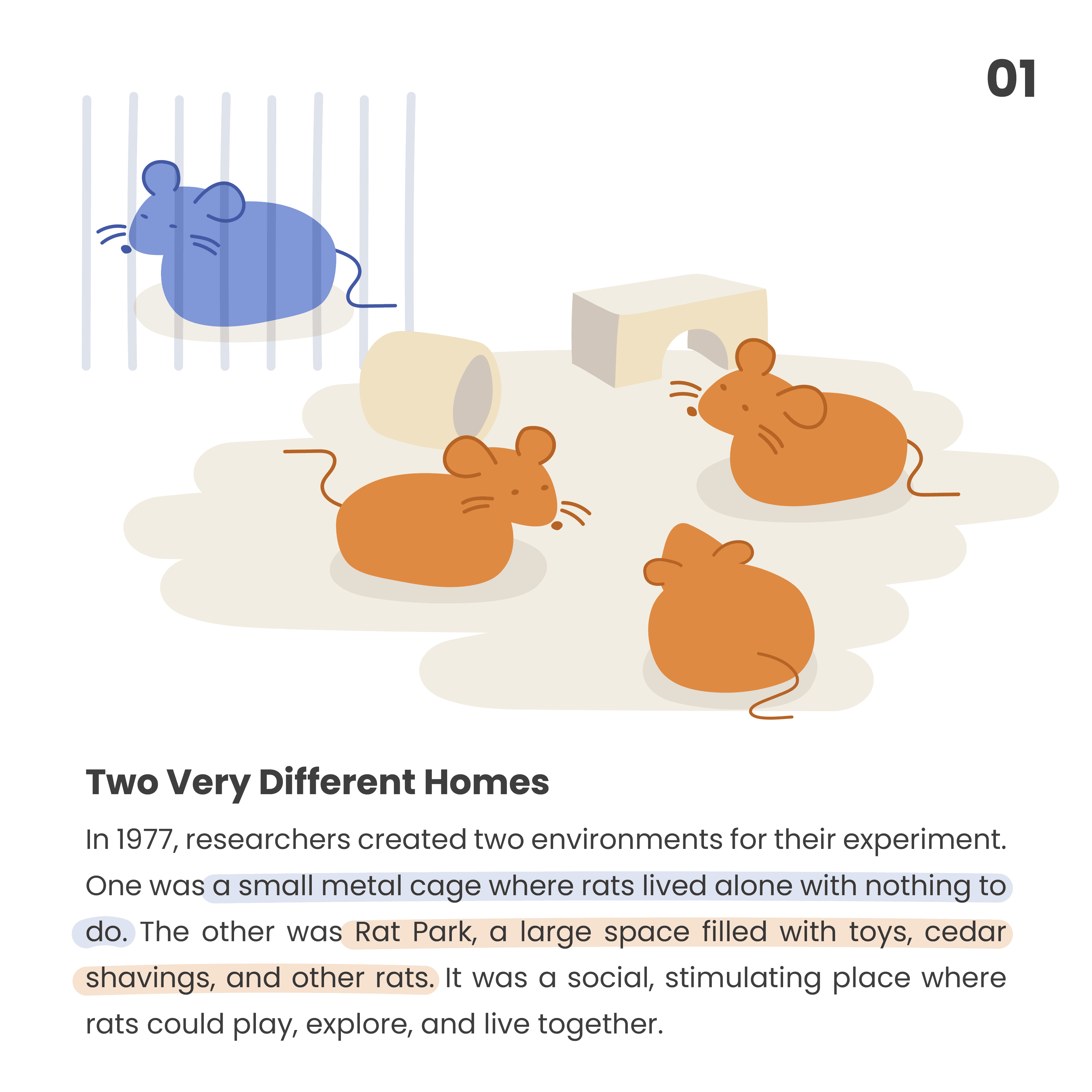
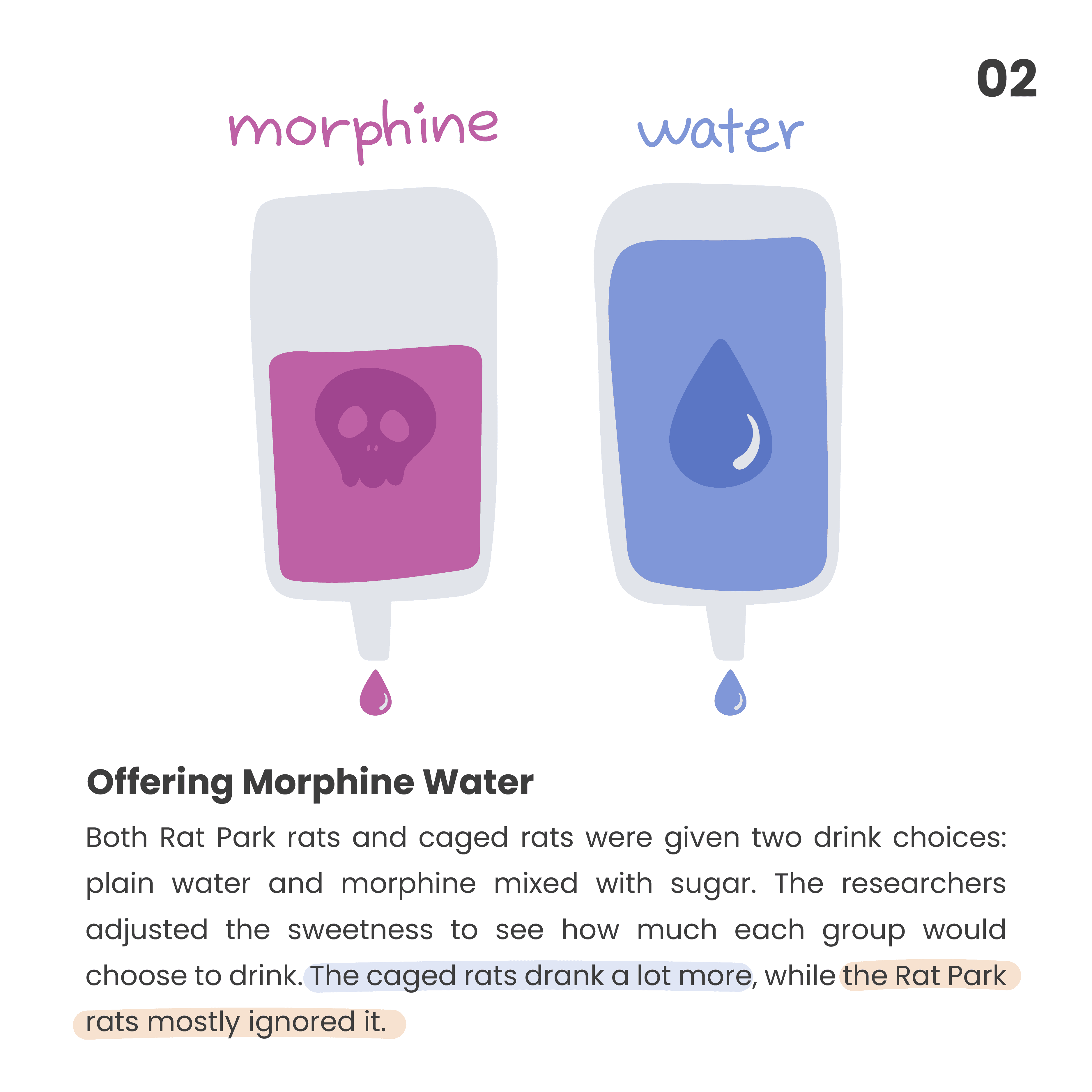
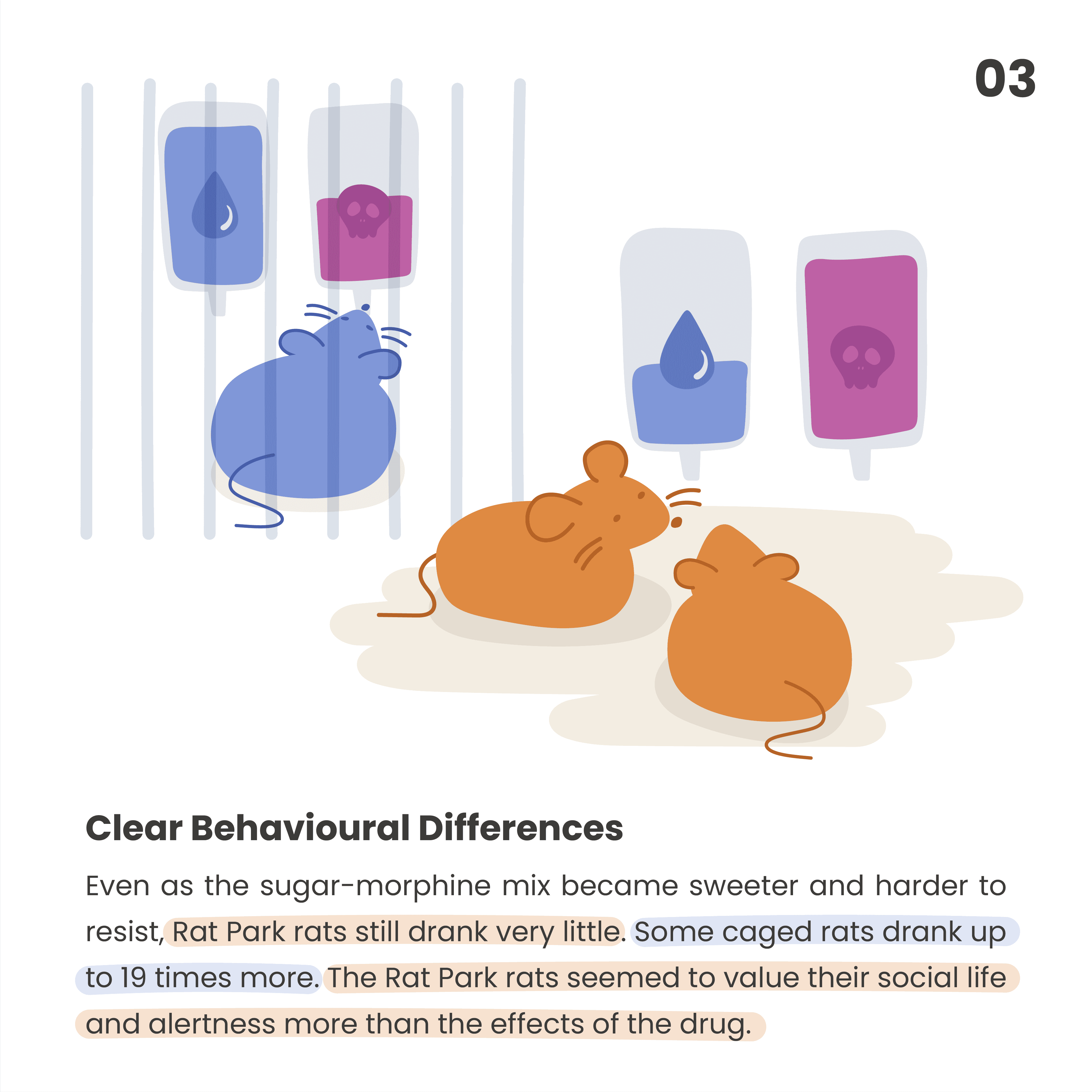
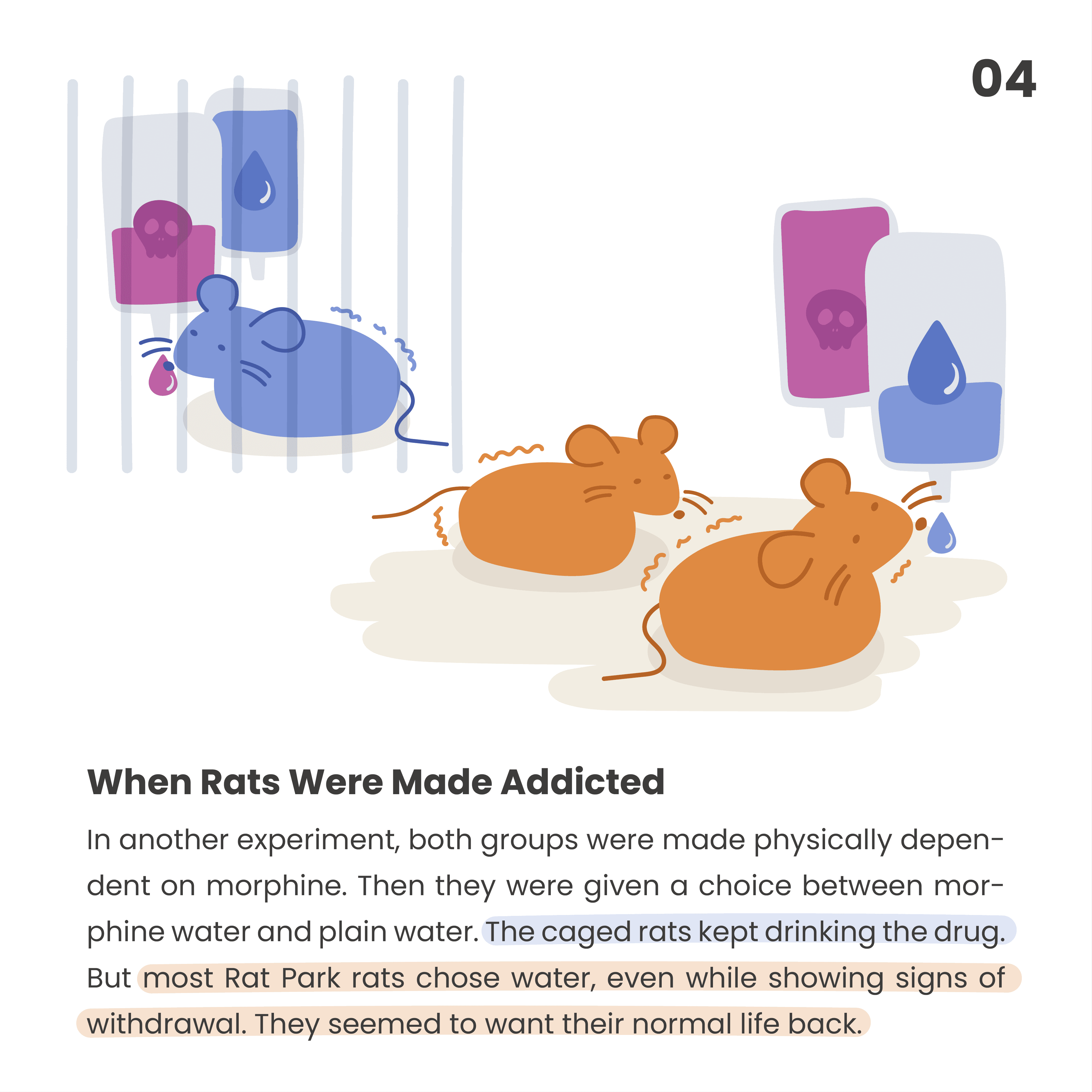
We began looking into the psychological roots of substance use to understand what drives people toward addiction. While reviewing related studies, we came across a powerful experiment that offered a new perspective, the Rat Park study.
Rats in isolation used drugs compulsively, while those in social, enriched environments did not.
What drives addiction may not be the substance itself, but
the absence of connection, purpose, and meaningful relationships in one's life.
What drives addiction may not be the substance itself, but the absence of connection, purpose, and meaningful relationships in one's life.
What drives addiction may not be the substance itself, but
the absence of connection, purpose, and meaningful relationships in one's life.

New Approach
New Approach
Designing for
human connection
From this insight, we shifted our focus toward rebuilding relationships. We decided to design for connection, creating tools that help people better understand each other and restore trust.
Communication
needs rules
Design dialogue structure
We wanted to build a product that could guide meaningful conversations and help people develop empathy. To make this possible, we drew on principles from Acceptance and Commitment Therapy (ACT), Cognitive Behavioural Therapy (CBT) and Non-Violent Communication (NVC) to create rules that support emotional safety and mutual understanding.
ACT
(Acceptance and Commitment Therapy)
Cognitive Defusion: Create distance from your thoughts and emotions instead of getting caught up in them
Helps players observe and name thoughts without judgment
Creates space to pause before reacting
CBT
(Cognitive Behavioural Therapy)
Emphasizes identifying and separating thoughts, emotions, and behaviours
Helps players recognize automatic thoughts rather than reacting on impulse
Supports reflection before expression by introducing a step-by-step dialogue flow
NVC
(Non-Violent Communication)
Follows a flow of observation, feeling, need, and request
Encourages listening without judgment
Helps players understand each other’s needs behind emotions
Expert Interviews
Expert Interviews
What we learned from professionals
To test and refine our approach, we interviewed counsellors and therapists who work with people affected by addiction, homelessness, and mental illness. They shared valuable perspectives on the role of empathy, emotional structure, and safe conversation environments in the healing process.
What challenges do people face in expressing emotions, and how can we support them?
Many participants struggle to express emotions in a clear way.
Helping them recognize their feelings and the needs behind them supports better self-regulation and communication.
What are some best practices for facilitating group discussions on sensitive topics?
It helps to plan discussion topics in advance and predict possible emotional triggers.
Setting group rules together in the first session allows for safer and more respectful conversations.
What should be considered when designing an initiative with limited resources?
Programs need to show clear value to justify limited time, budget, and staff.
Having a defined purpose and measurable outcomes makes it easier to evaluate impact after implementation.
What kinds of individuals benefit most from group-based approaches?
Participants with lower awareness may need individual support to stay on topic.
Group formats work better when participants are more self-aware and emotionally mature.
Build tools that reduce emotional risk
Make empathy easier to practice
Keep the structure flexible, but safe
In My Shoes is a storytelling-based card game designed to help people build empathy and reconnect with each other through meaningful conversations. Inspired by research showing that social isolation contributes significantly to addiction, this game encourages players to safely share personal experiences and emotions without fear of judgment. It can be used casually among friends and families or in professional settings like therapy sessions and rehabilitation programs.
What is In My Shoes?
In My Shoes is a storytelling-based game designed to foster empathy, rebuild connections, and deepen understanding between players. It provides a safe space for open conversations, helping participants share experiences without fear of judgment or rejection, and fostering deeper interpersonal connections.
Active Listening & Validation
Creating an environment where participants feel heard and supported.
Empathy Development
Improving emotional intelligence by guessing and recognizing emotions and needs in oneself and others.
Psychological Distancing
Third-person storytelling to safely explore difficult emotions.
ACT & CBT & NVC Integration
Cognitive Behavioural Therapy and Non-Violent Communication to encourage positive thinking and clear emotional communication.
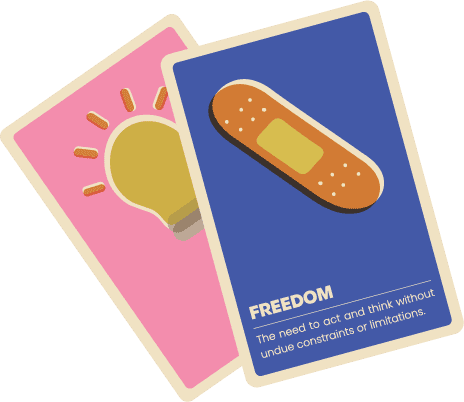

Background
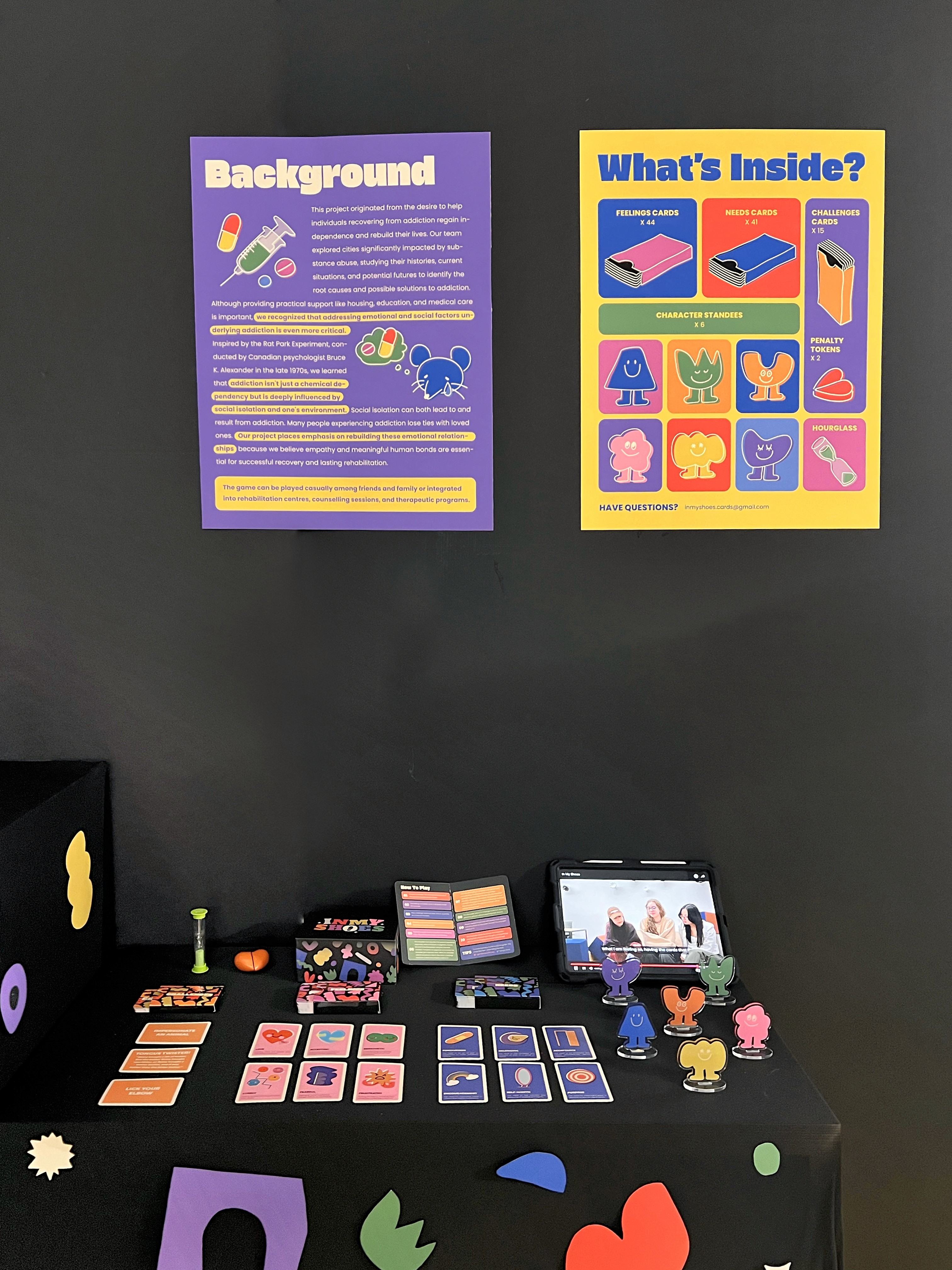
This project originated from the desire to help individuals recovering from addiction regain independence and rebuild their lives. Our team explored cities significantly impacted by substance abuse, studying their histories, current situations, and potential futures to identify the root causes and possible solutions to addiction.
Although providing practical support like housing, education, and medical care is important, we recognized that addressing emotional and social factors underlying addiction is even more critical.
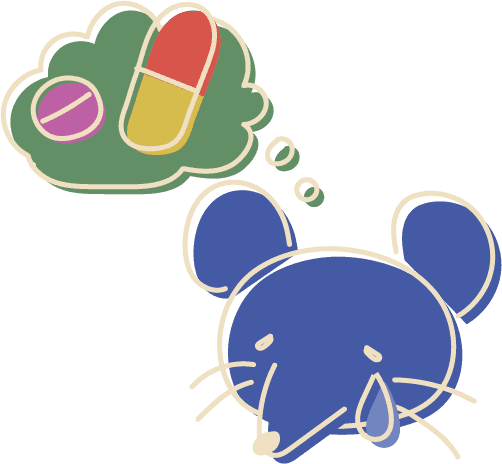
Inspired by the Rat Park Experiment, conducted by Canadian psychologist Bruce K. Alexander in the late 1970s, we learned that addiction isn't just a chemical dependency but is deeply influenced by social isolation and one's environment. Social isolation can both lead to and result from addiction.
Many people experiencing addiction lose connections with loved ones. Our project places significant emphasis on rebuilding these emotional relationships because we believe that empathy and meaningful human connections are essential for successful recovery and lasting rehabilitation.
The game can be played casually among friends and family or integrated into
rehabilitation centres, counselling sessions, and therapeutic programs.
The game can be played casually among friends and family or integrated into
rehabilitation centres, counselling sessions, and therapeutic programs.
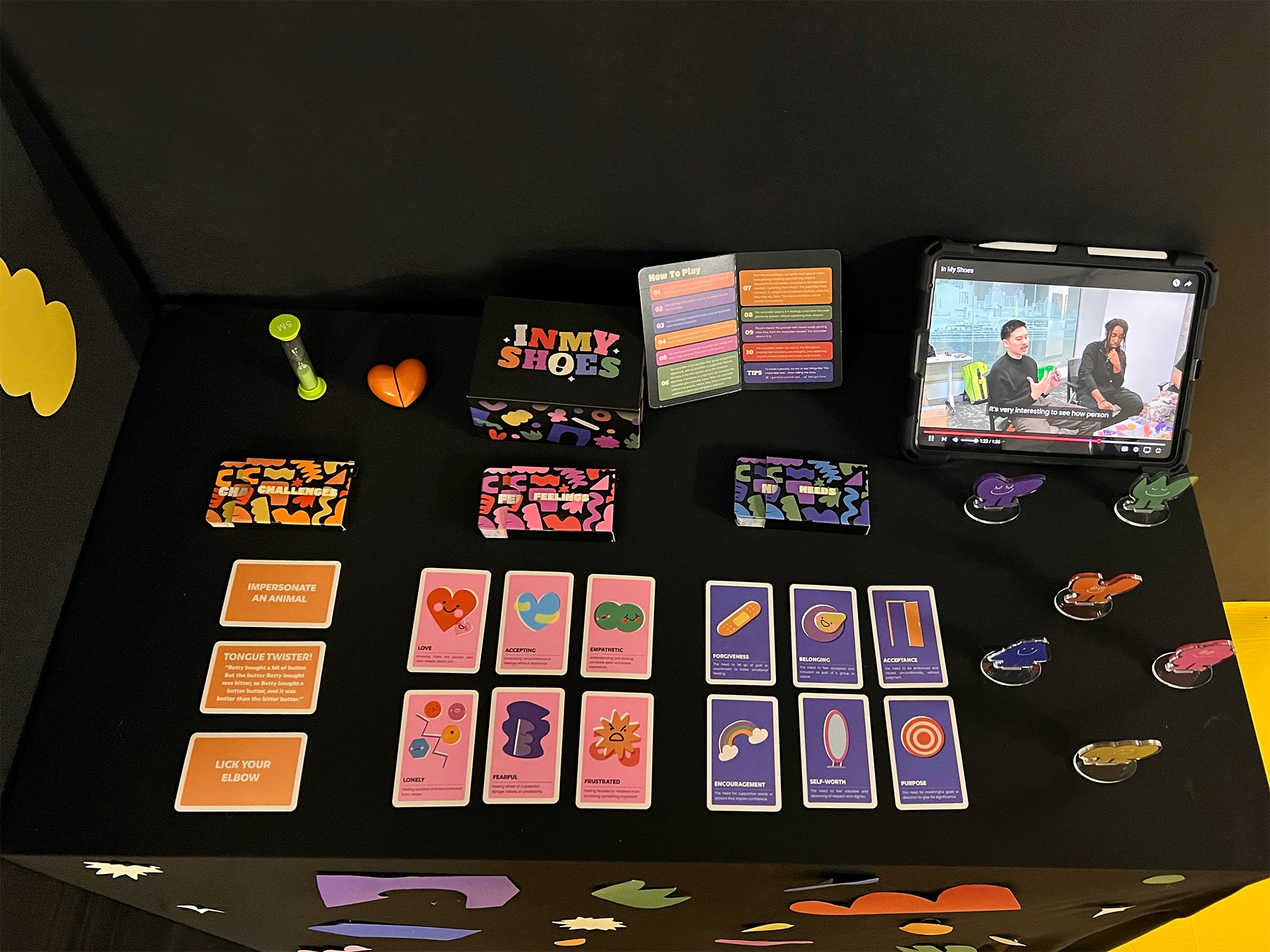
What's Inside?
FEELINGS CARDS
X 44
X 44

NEEDS CARDS
X 41
X 41

CHALLENGES CARDS
X 15
X 15

PENALTY TOKENS

HOURGLASS
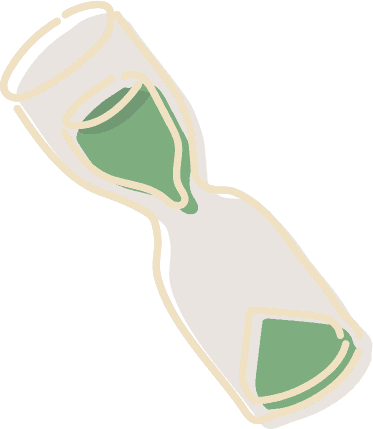
CHARACTER STANDEES
X 6
X 6






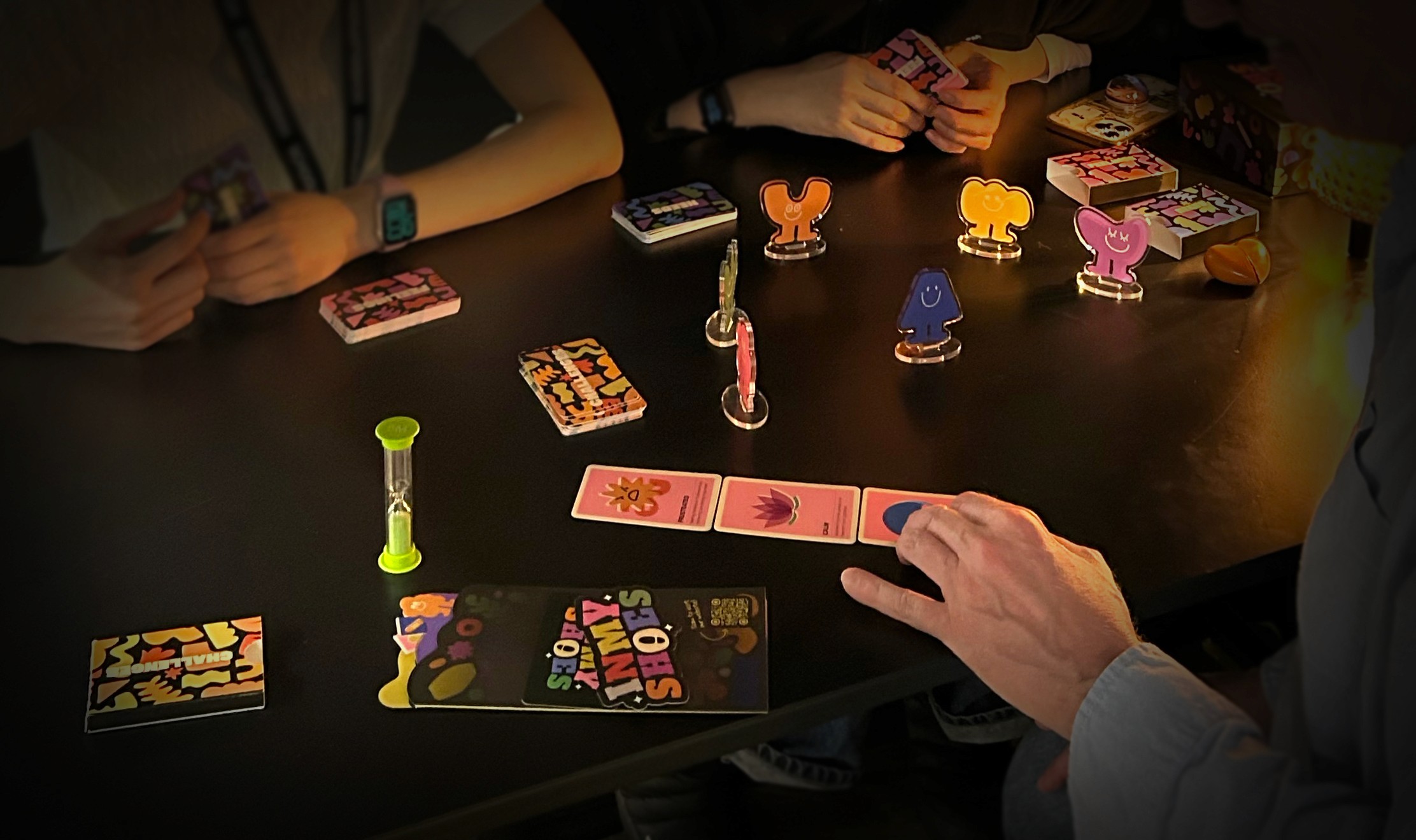
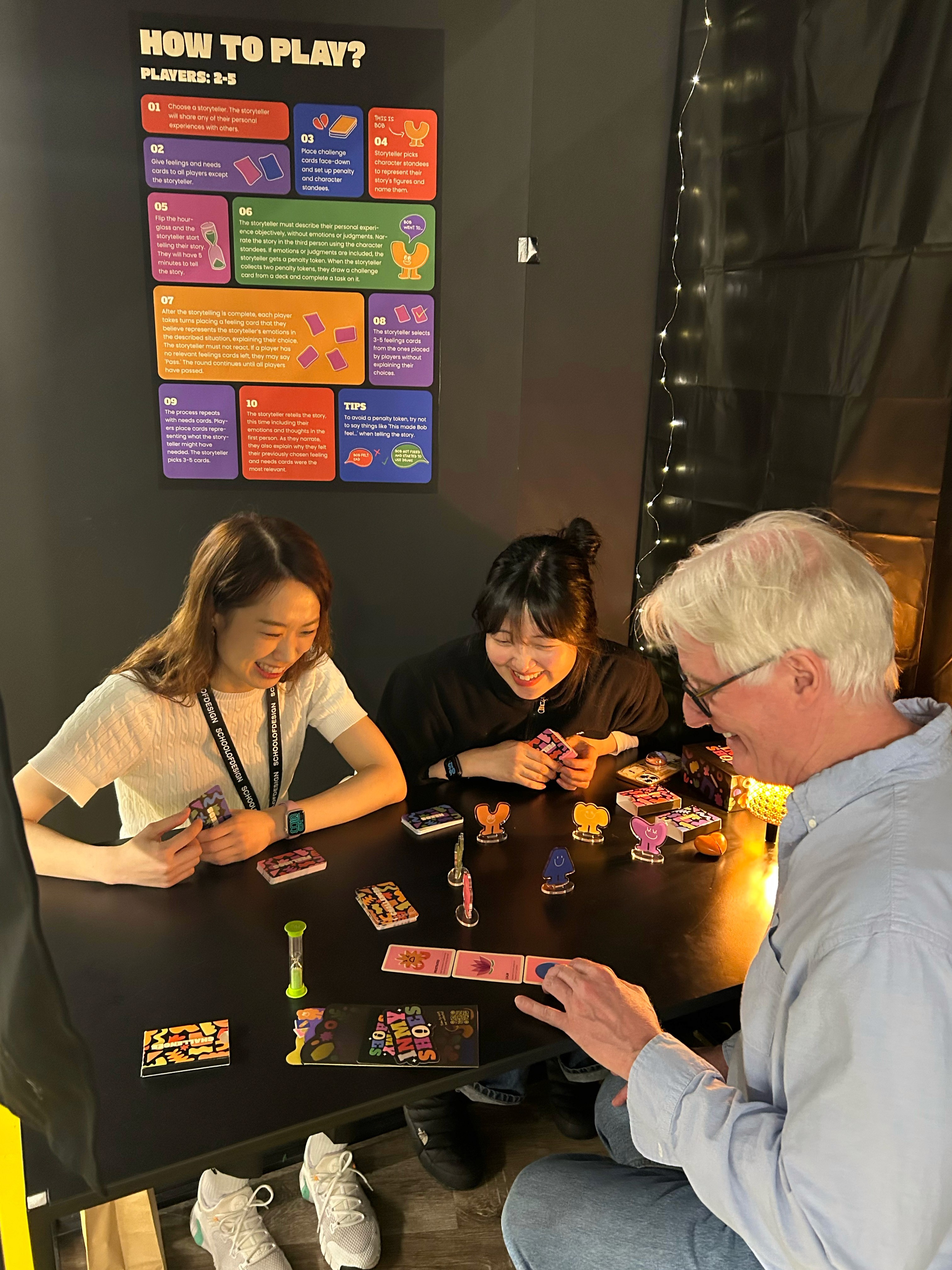
How to play
01
Choose a storyteller. The storyteller will share any of their personal experiences with others.
02
Give feelings and needs cards to all players except the storyteller.

03
Place challenge cards face-down and set up penalty and character standees.
04
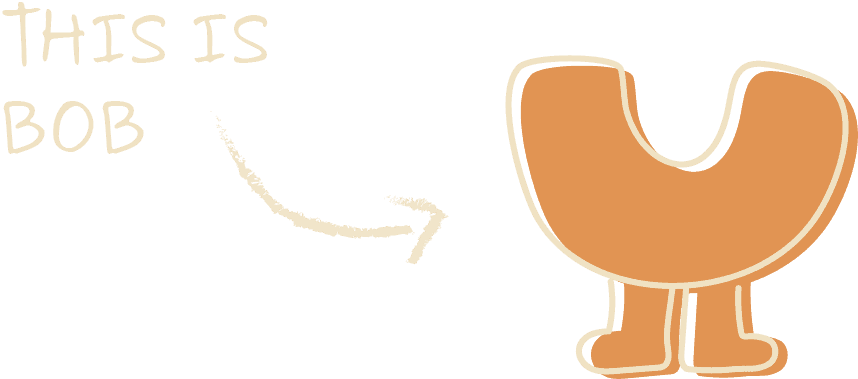
Storyteller picks character standees to represent their story's figures and name them.
05
Flip the hourglass and the storyteller start telling their story. They will have 5 minutes to tell the story.
06
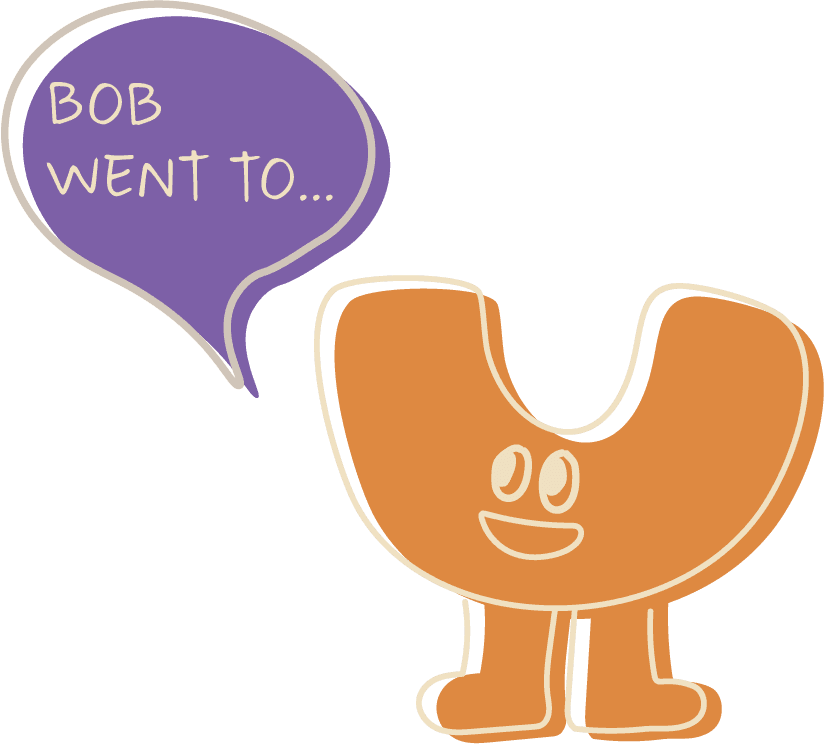
The storyteller must describe their personal experience objectively, without emotions or judgments. Narrate the story in the third person using the character standees. If emotions or judgments are included, the storyteller gets a penalty token. When the storyteller collects two penalty tokens, they draw a challenge card from a deck and complete a task on it.
07
After the storytelling is complete, each player takes turns placing a feeling card that they believe represents the storyteller’s emotions in the described situation, explaining their choice. The storyteller must not react. If a player has no relevant feelings cards left, they may say 'Pass.' The round continues until all players have passed.

08
The storyteller selects 3-5 feelings cards from the ones placed by players without explaining their choices.
09
The process repeats with needs cards. Players place cards representing what the storyteller might have needed. The storyteller picks 3-5 cards.
10
The storyteller retells the story, this time including their emotions and thoughts in the first person. As they narrate, they also explain why they felt their previously chosen feeling and needs cards were the most relevant.
TIPS
To avoid a penalty token, try not to say things like 'This made Bob feel...' when telling the story.

I got fired and felt sad.
I got fired and felt sad.

Bob got fired.
Bob got fired.
Brand Guideline
Primary Logo
Monochrome Logo

Exclusion Zone
Colours
#282828
#D1C6BA
#EFE1C2
#F2EDE1
#DF8A42
#7D61A8
#D8554A
#D7BD4E
#BE61A5
#F48EAD
#445AA7
#639065
Typography
Display 1
AaBbCcDdEe
1234567890
Font Family: Gasoek One
Font Weight: Regular
Font Size: 2 rem
Header 1
AaBbCcDdEe
1234567890
Font Family: Poppins
Font Weight: Extra Bold
Font Size: 1.9 rem
Header 2
AaBbCcDdEe
1234567890
Font Family: Poppins
Font Weight: Medium
Font Size: 1.13 rem
Body
AaBbCcDdEe
1234567890
Font Family: Poppins
Font Weight: Medium
Font Size: 0.94 rem
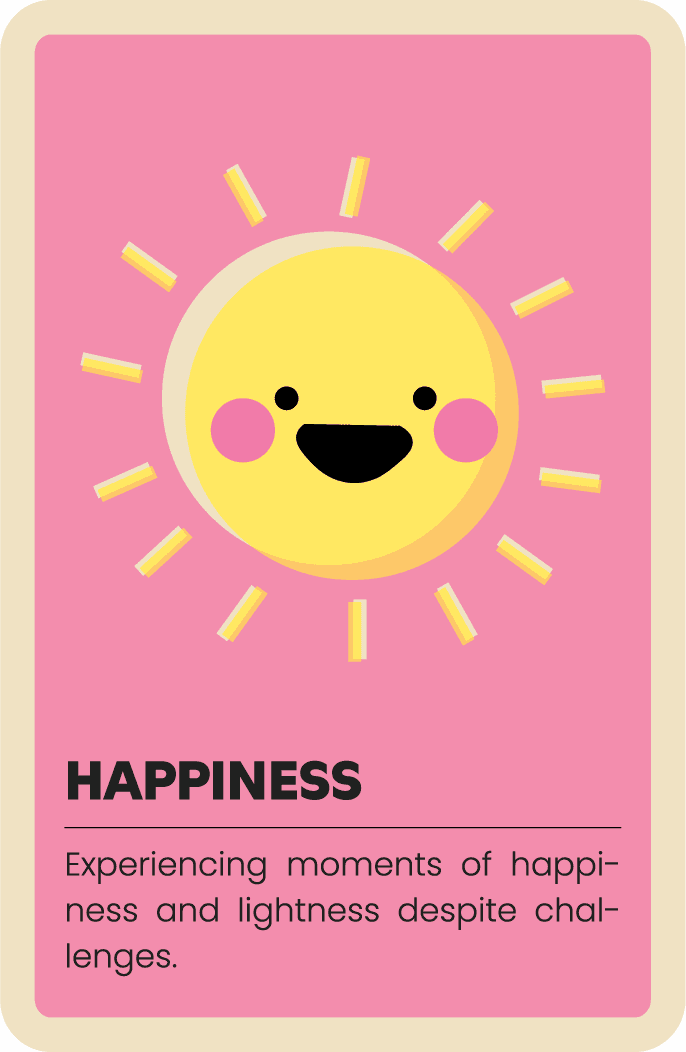
Feelings Card Design
(44 cards)
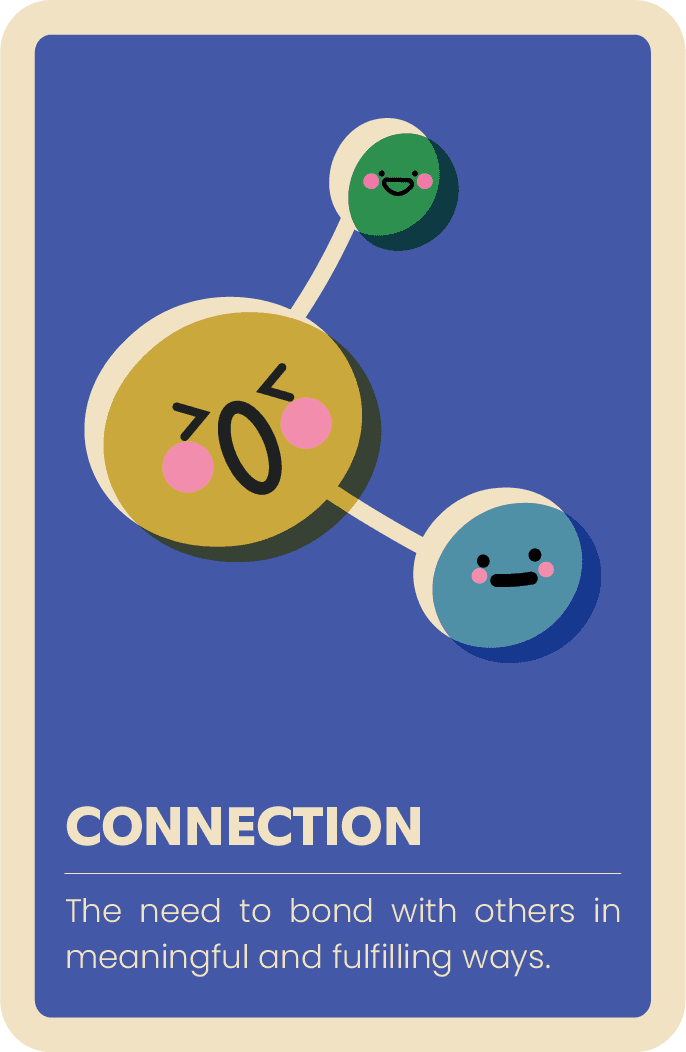
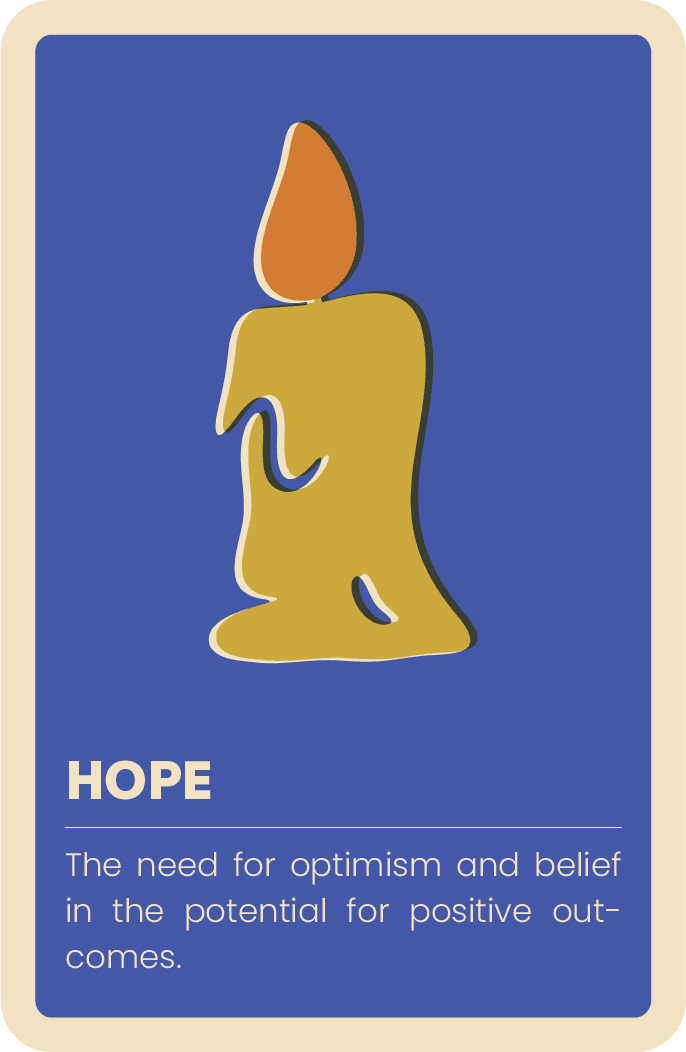
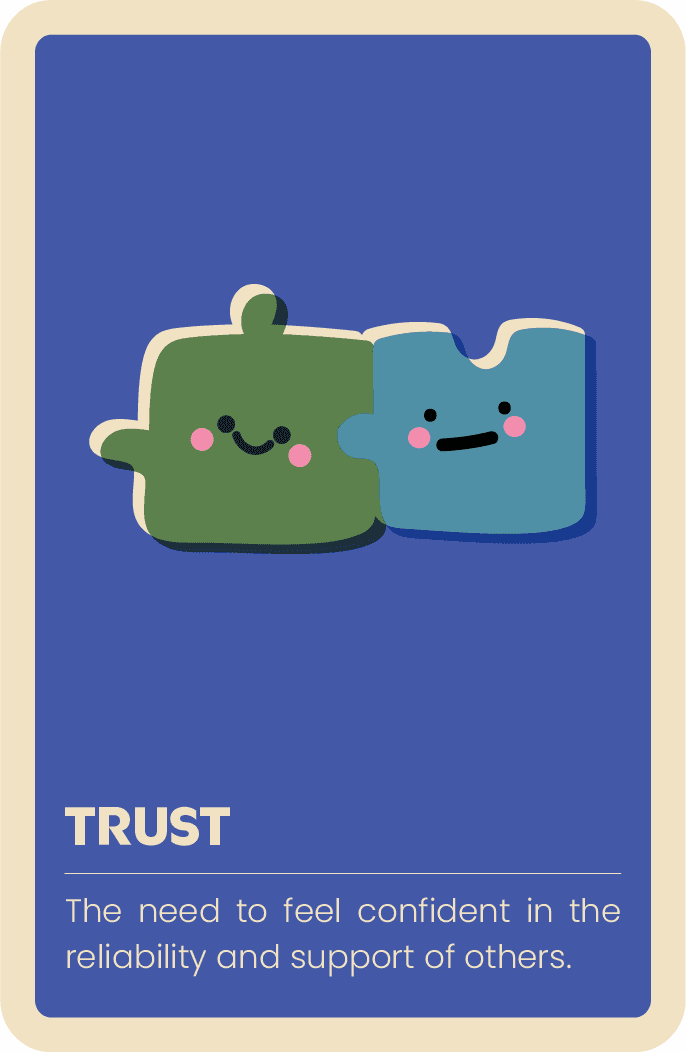
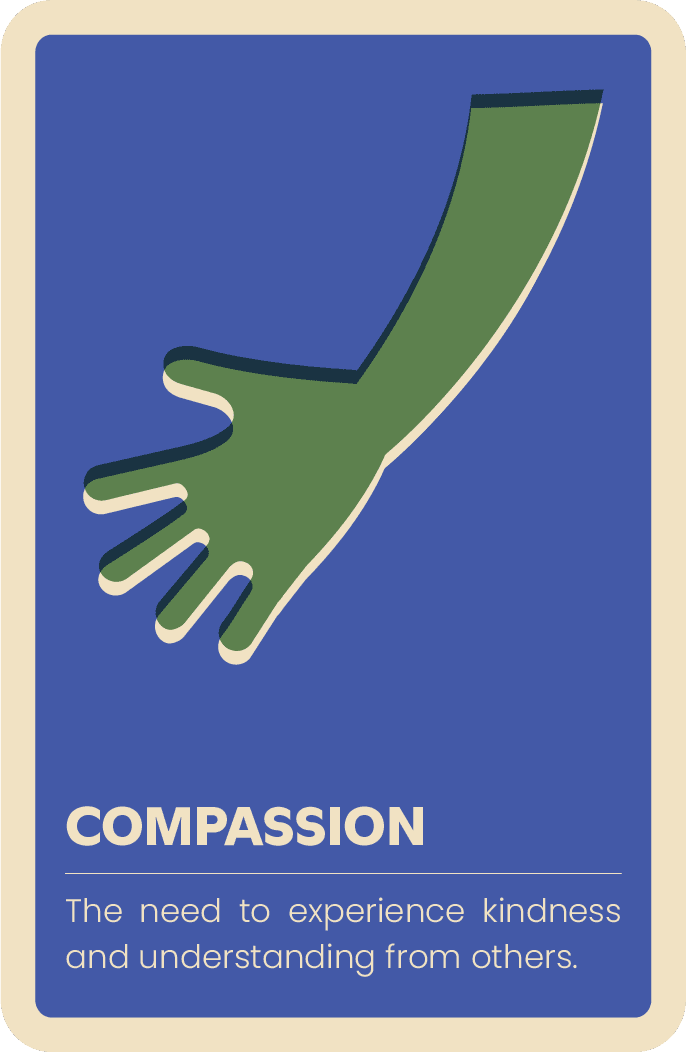
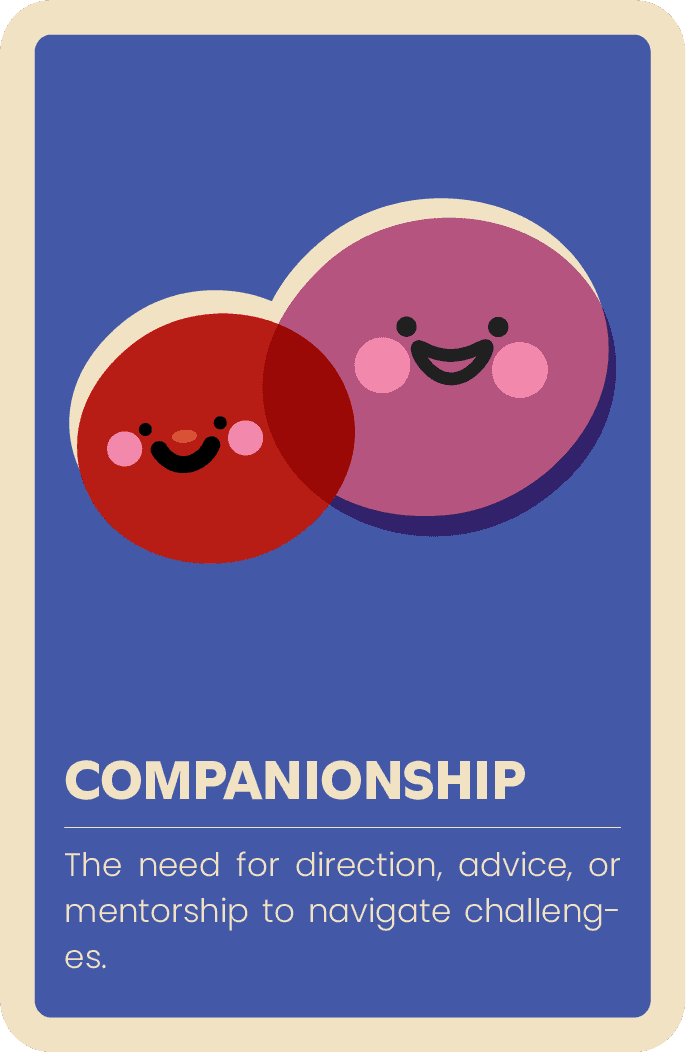
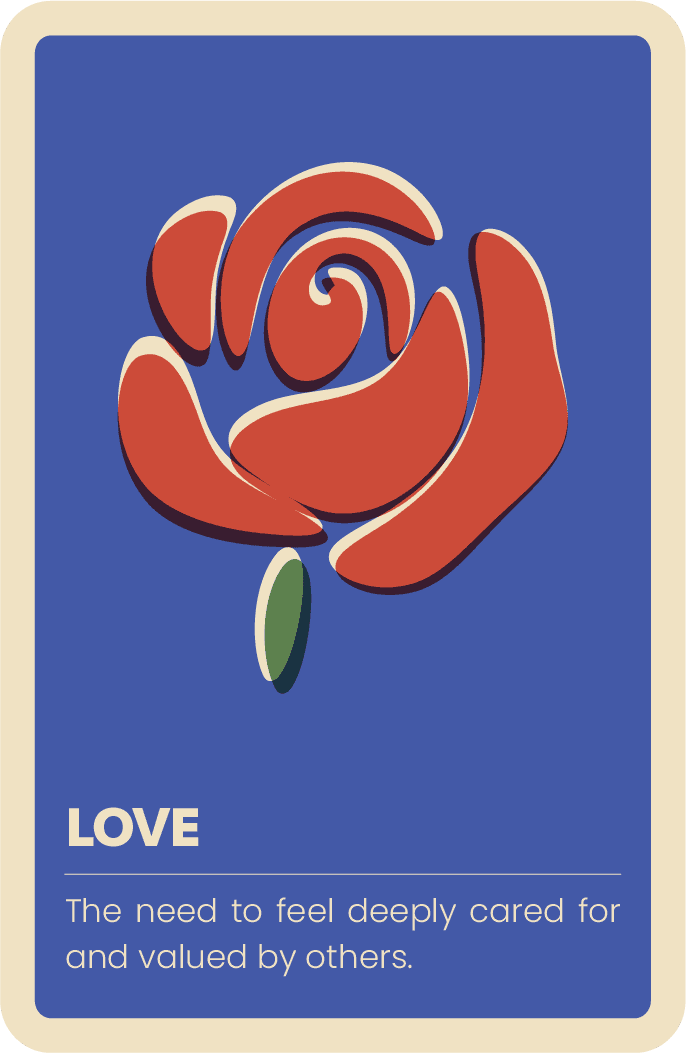
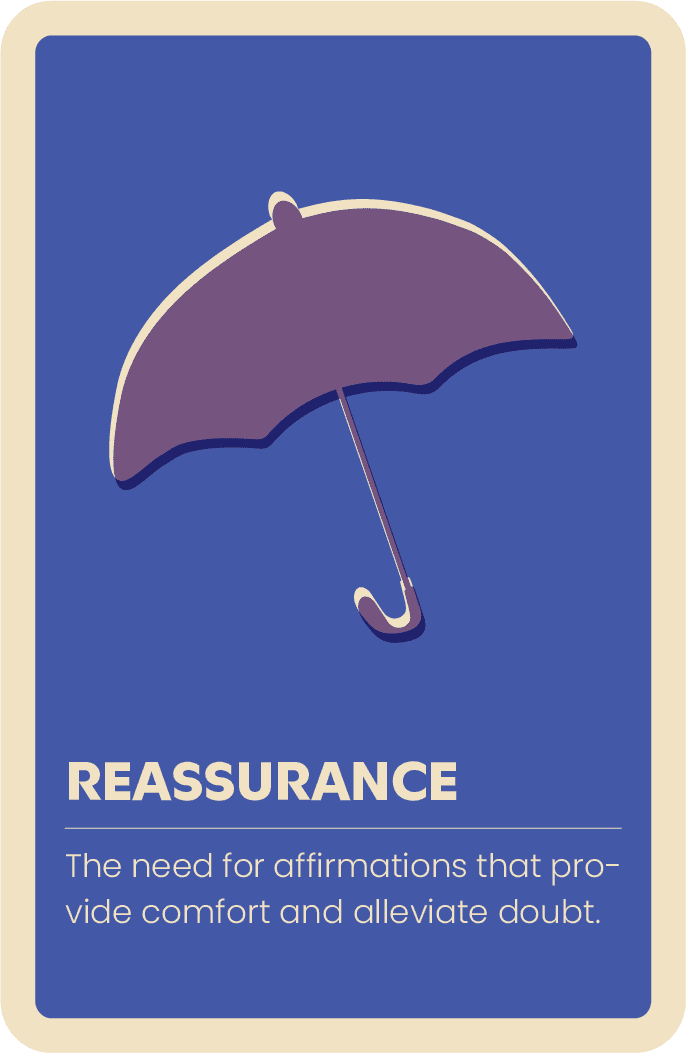
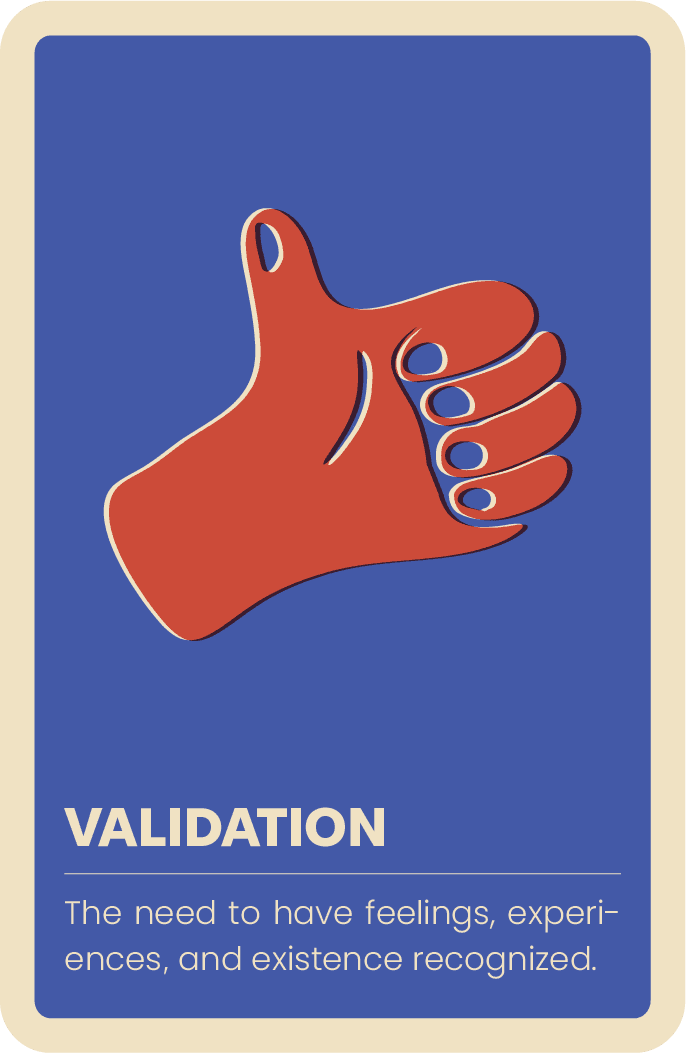
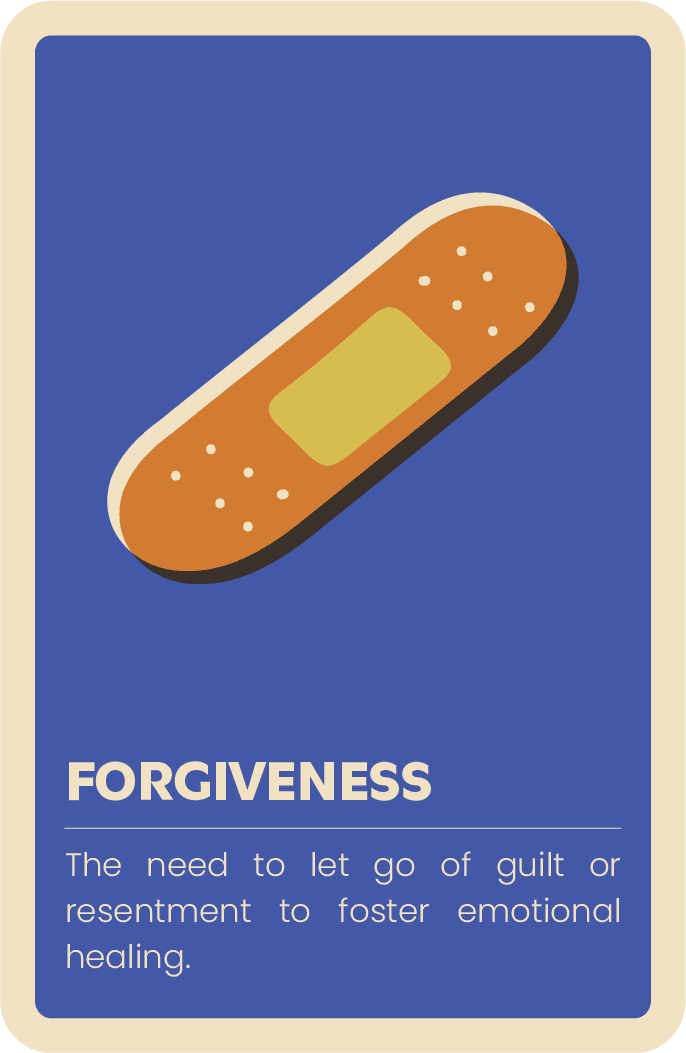
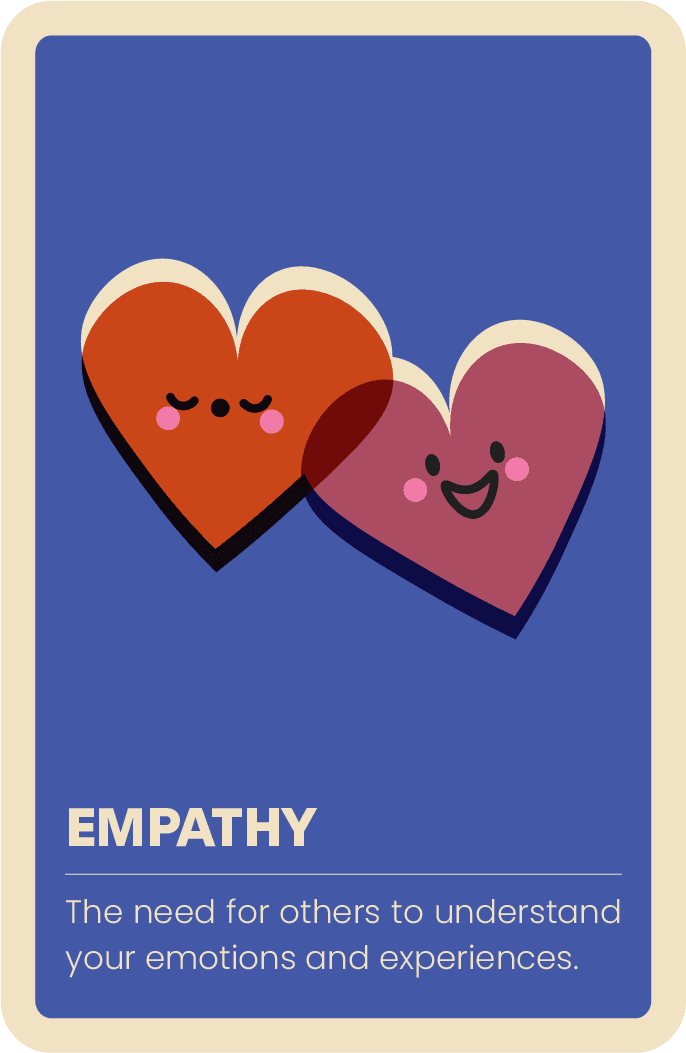
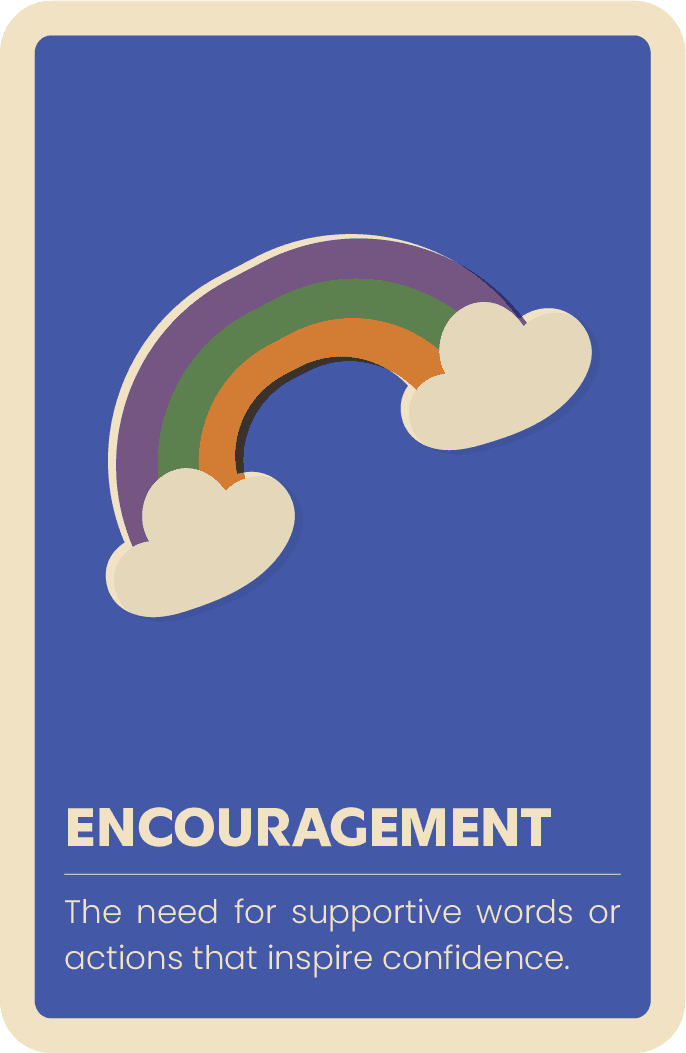
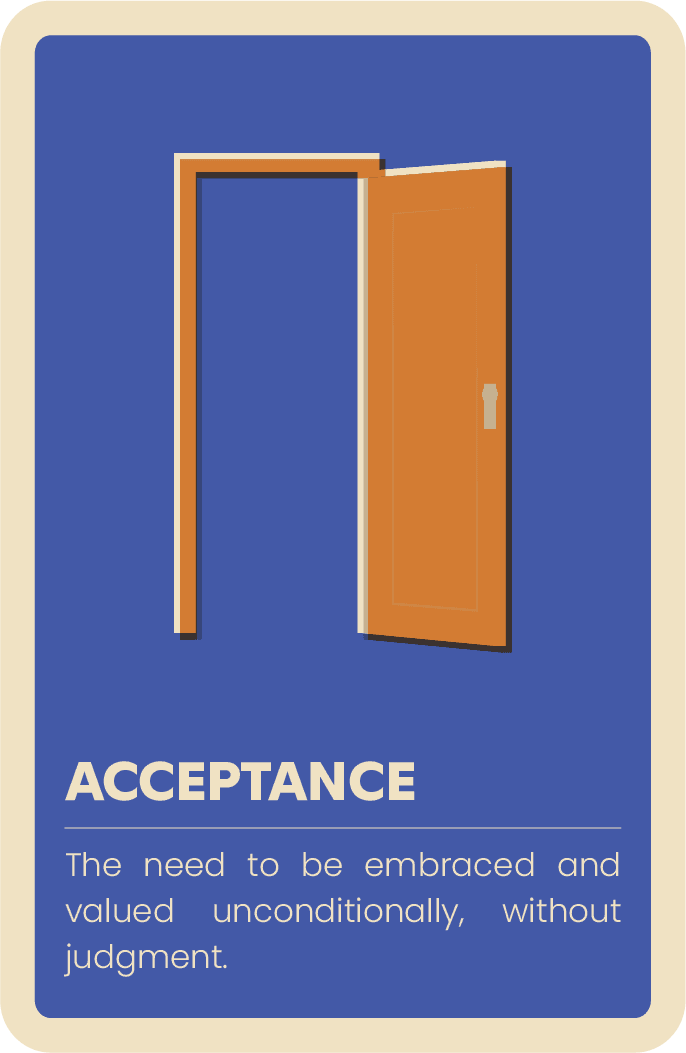
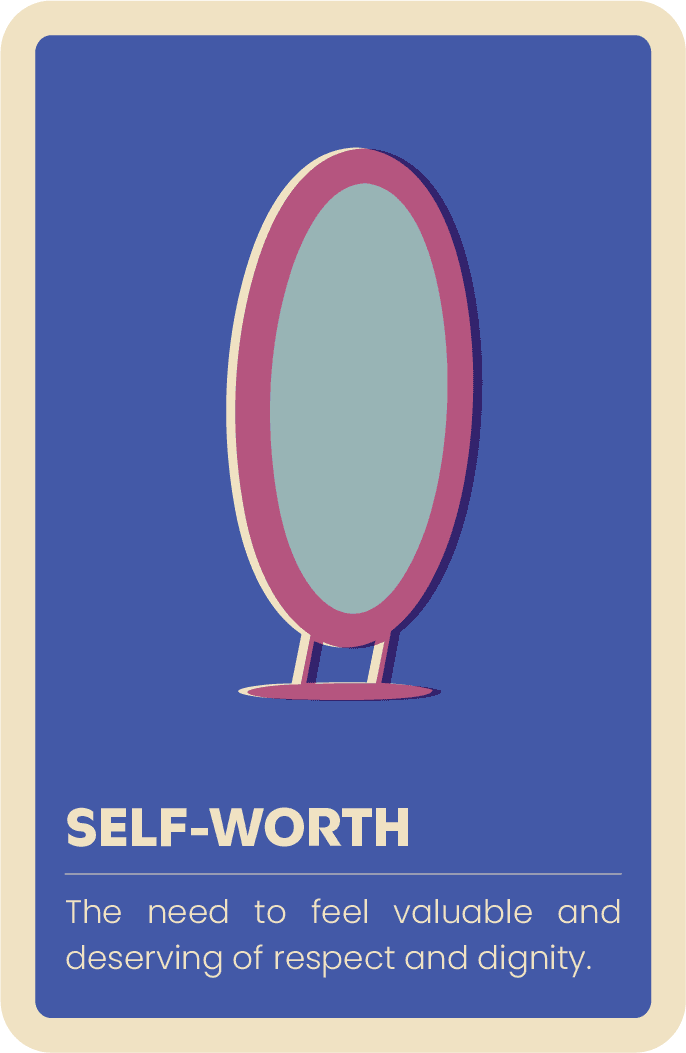
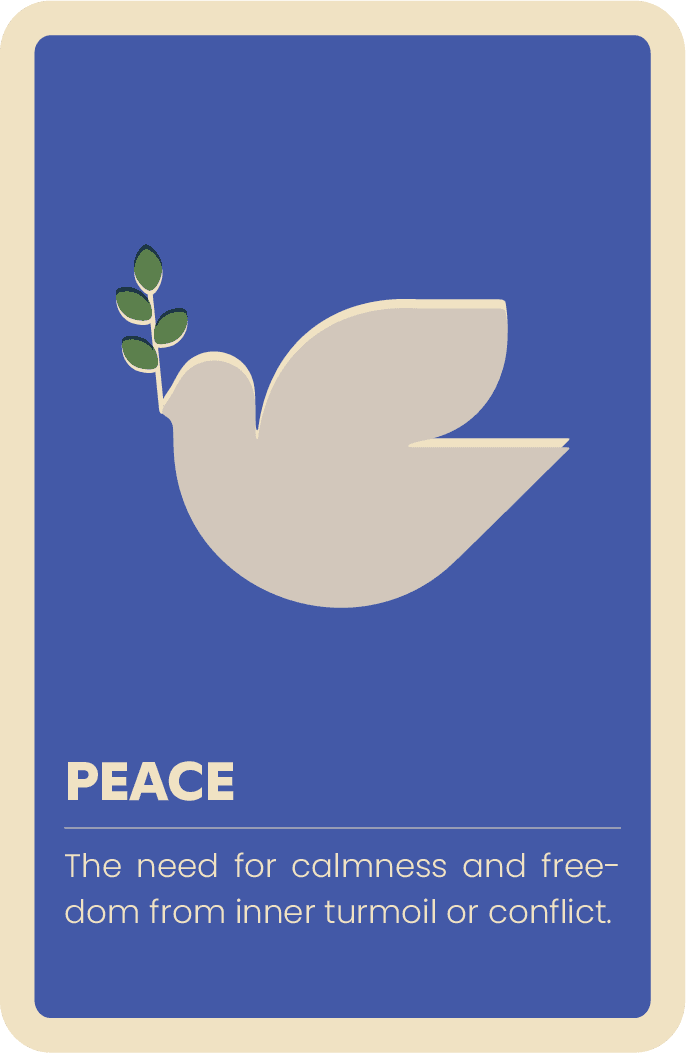
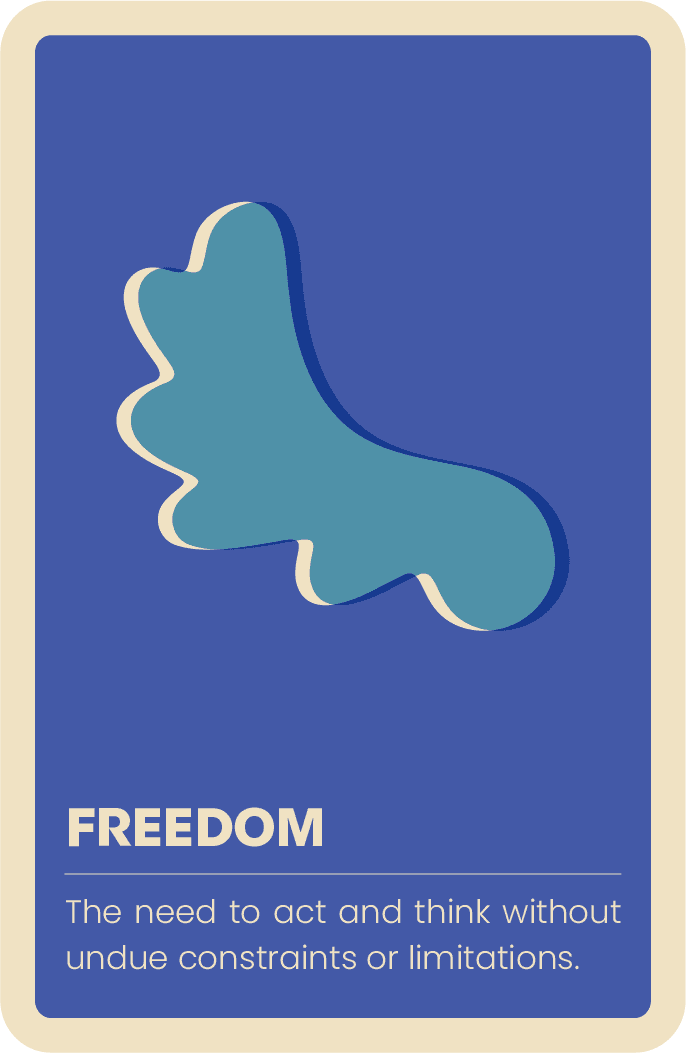
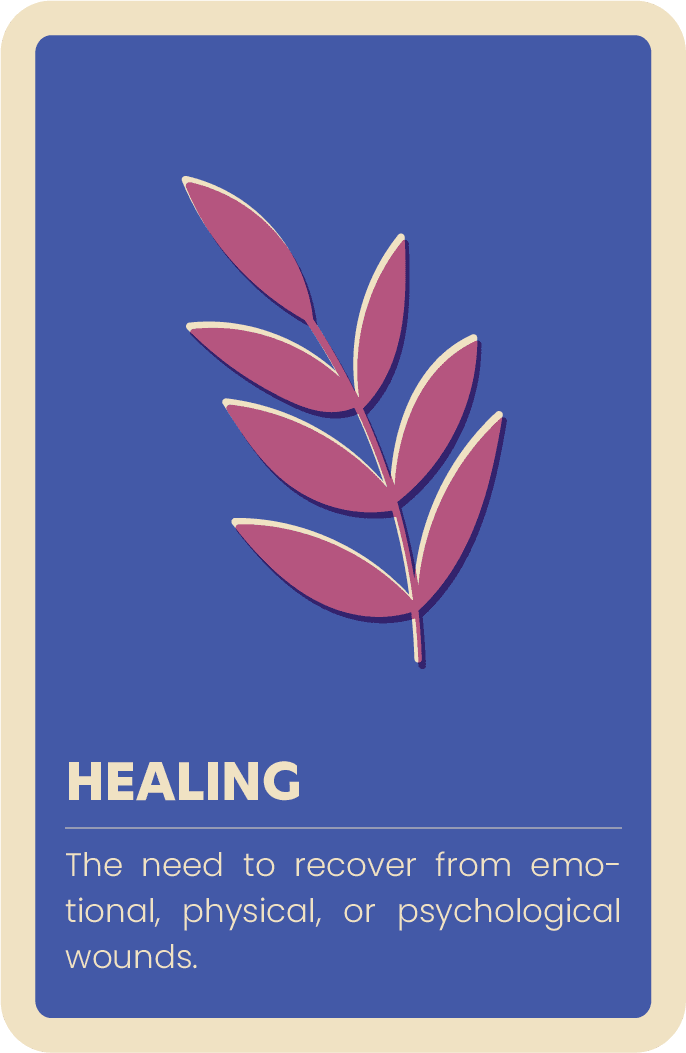
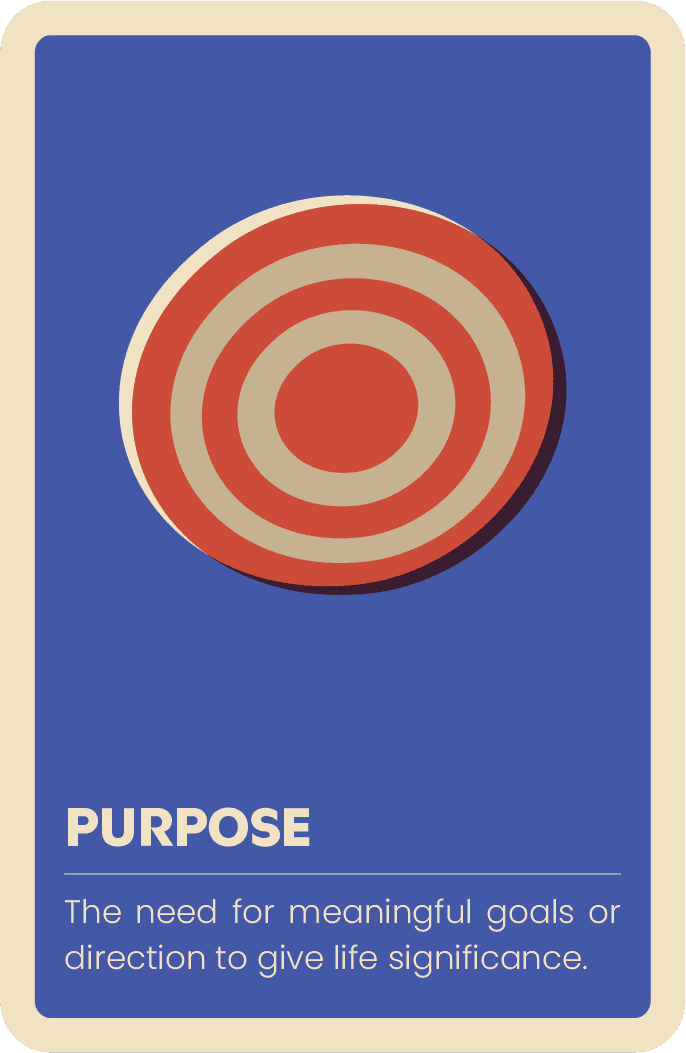
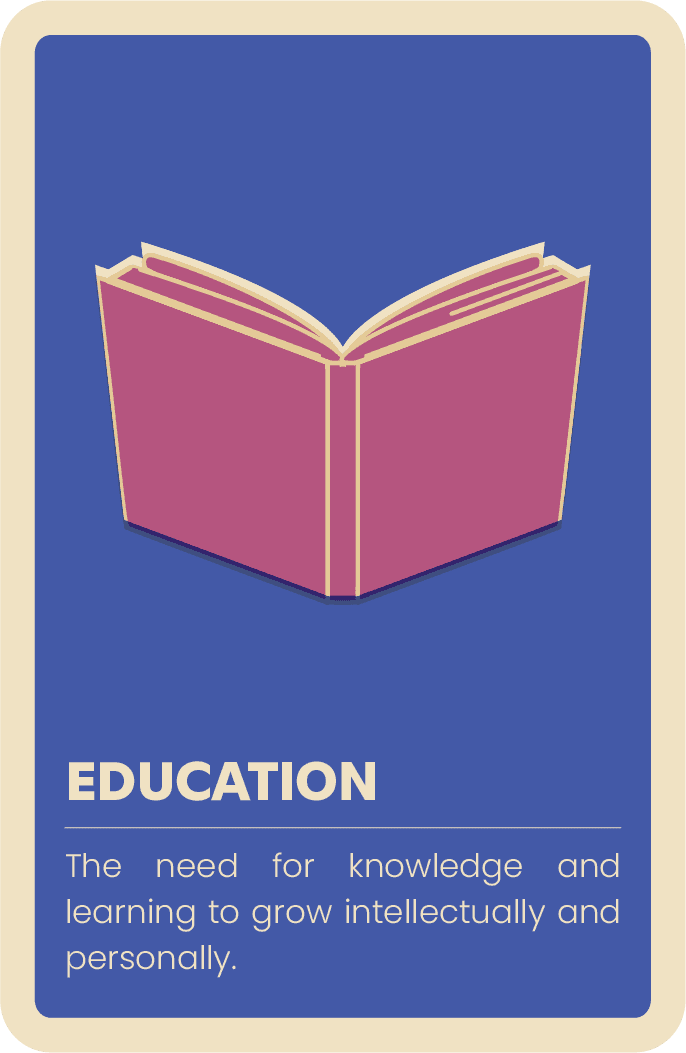
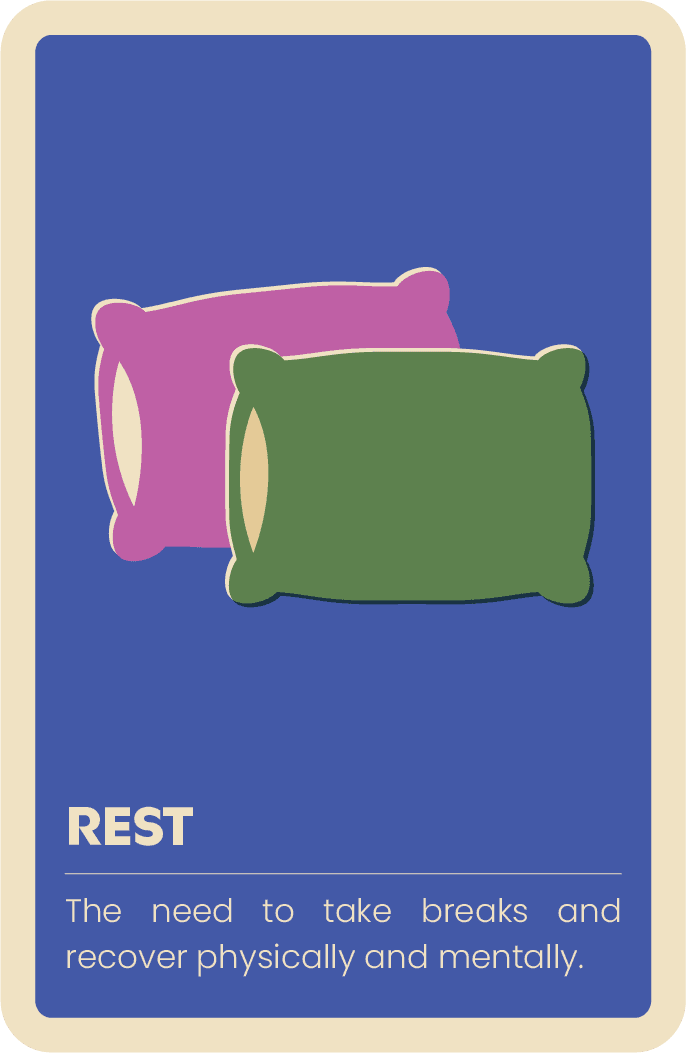
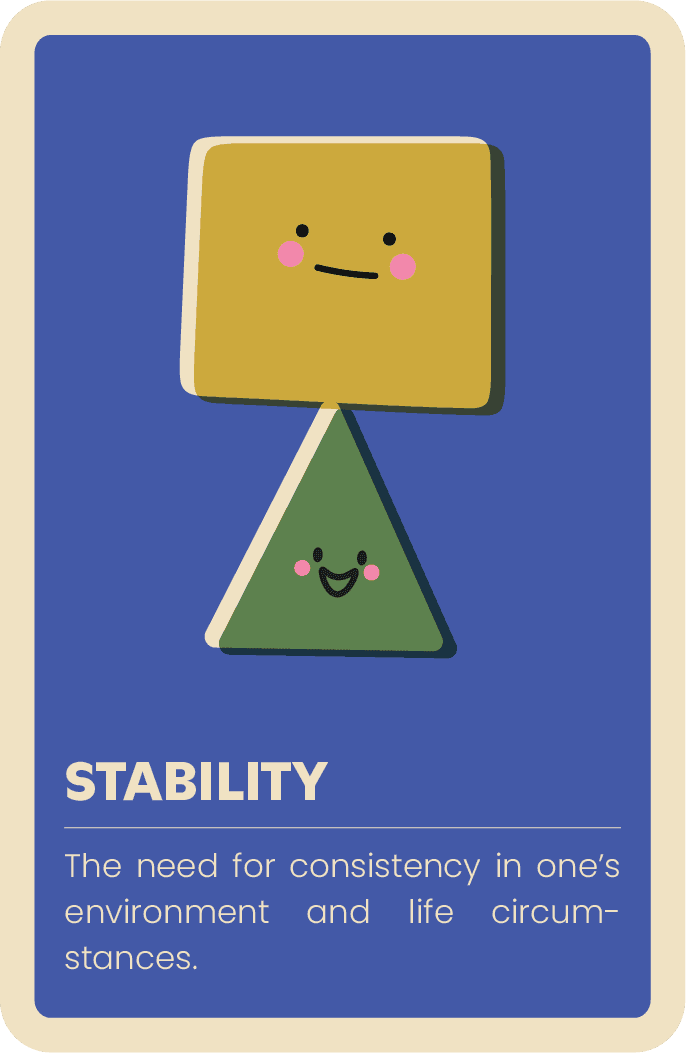
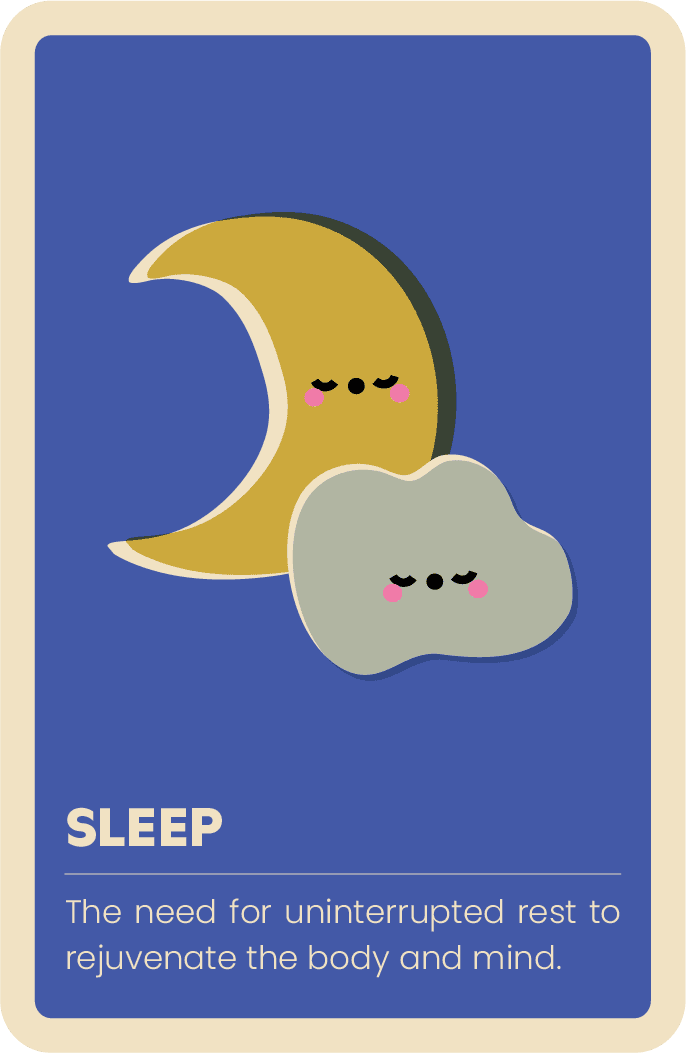
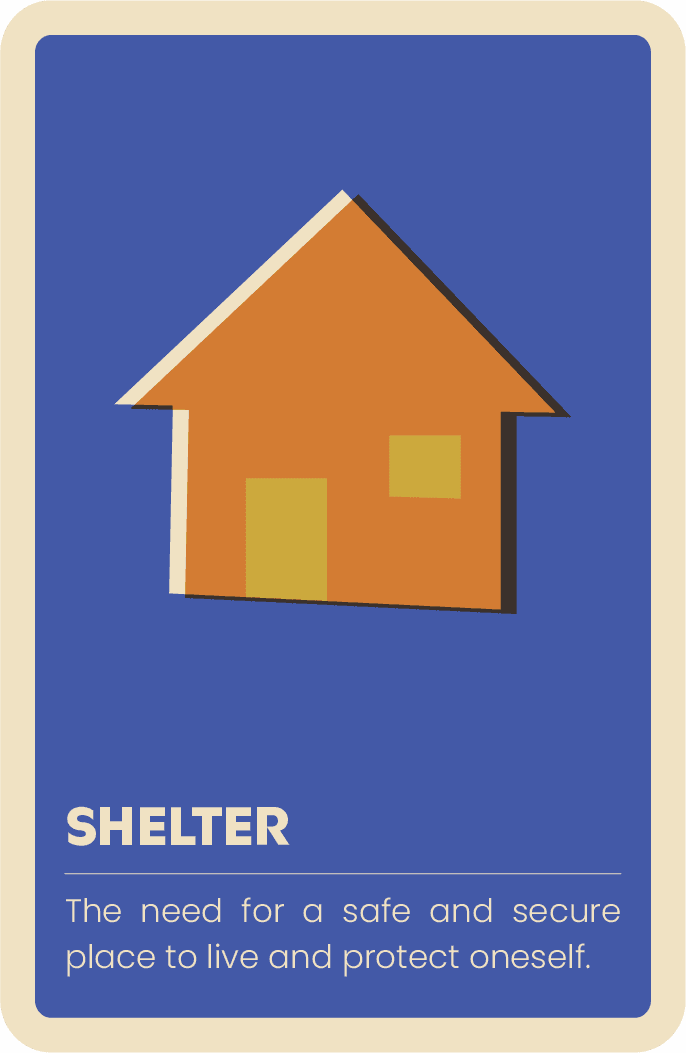
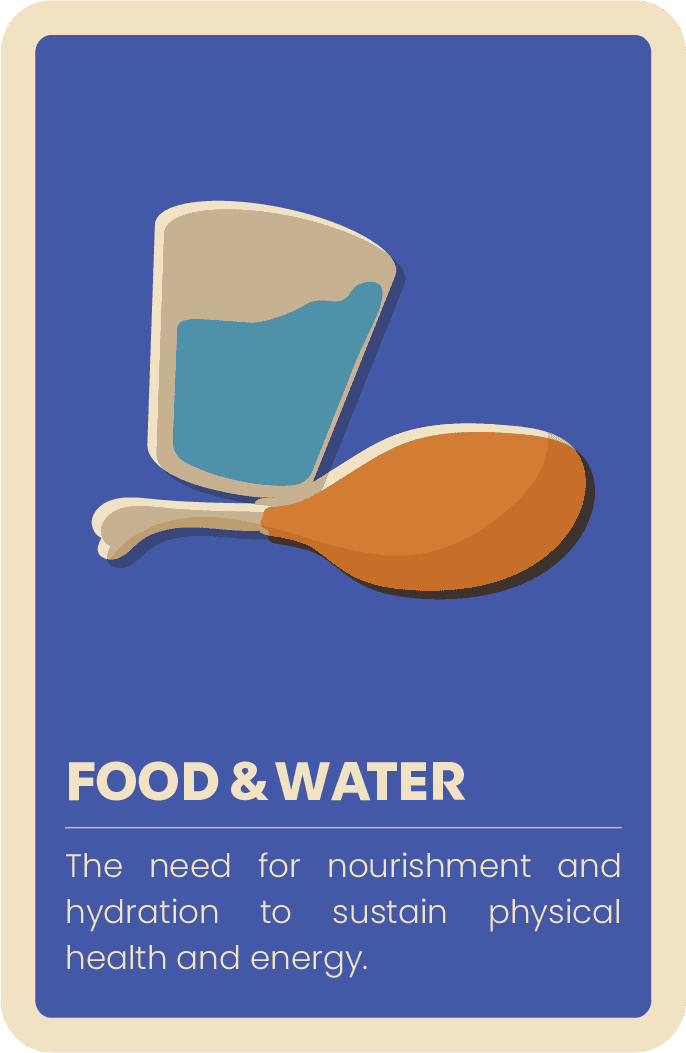
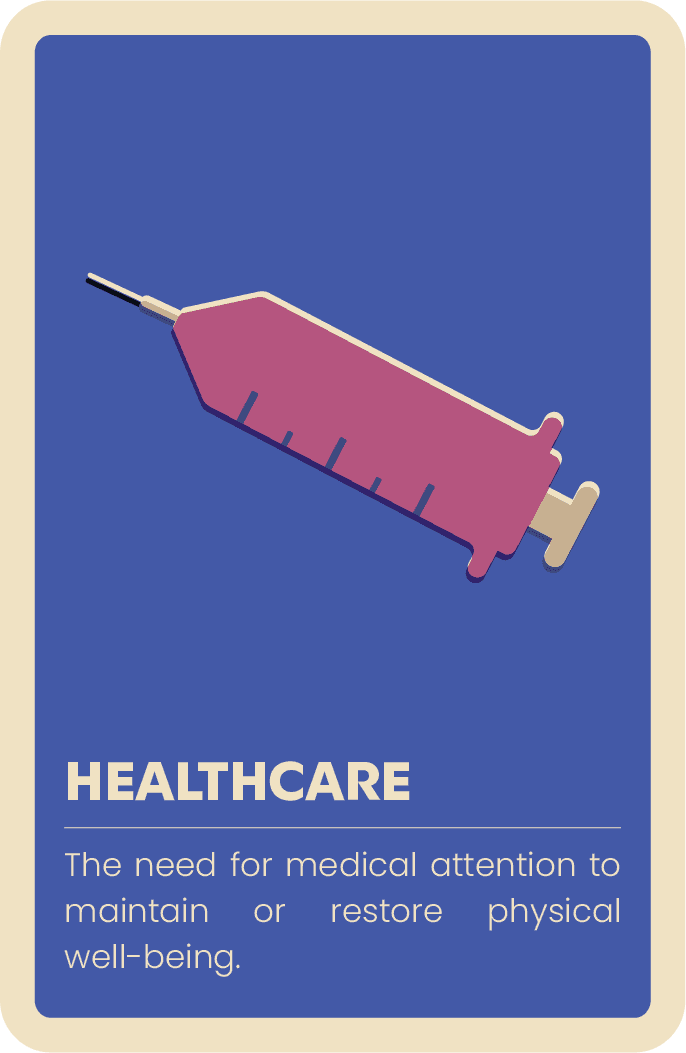
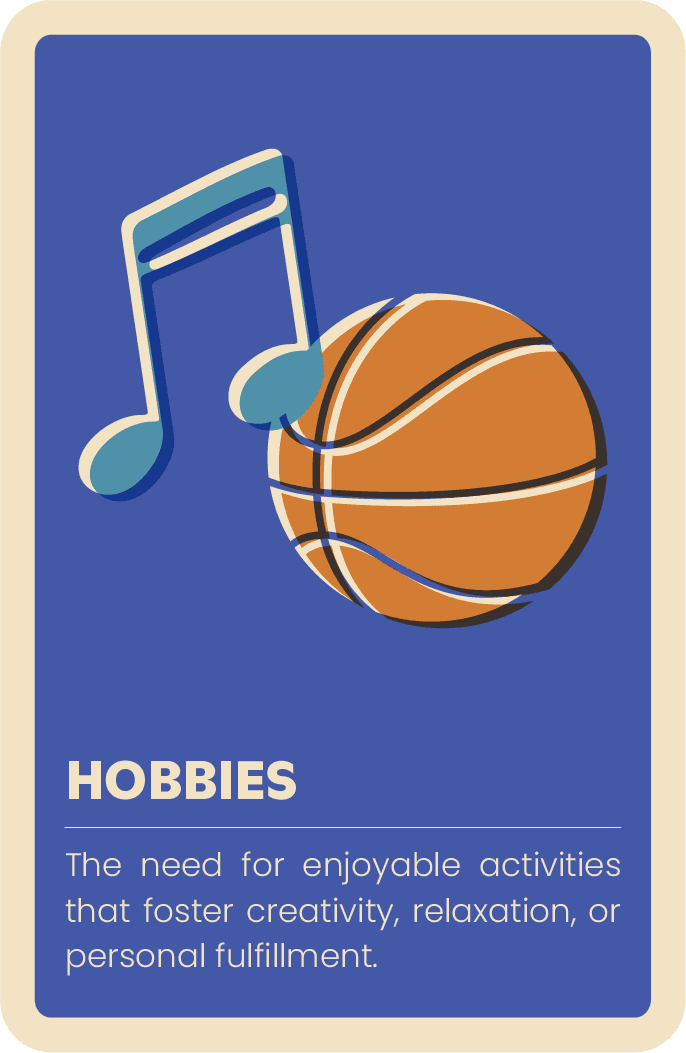
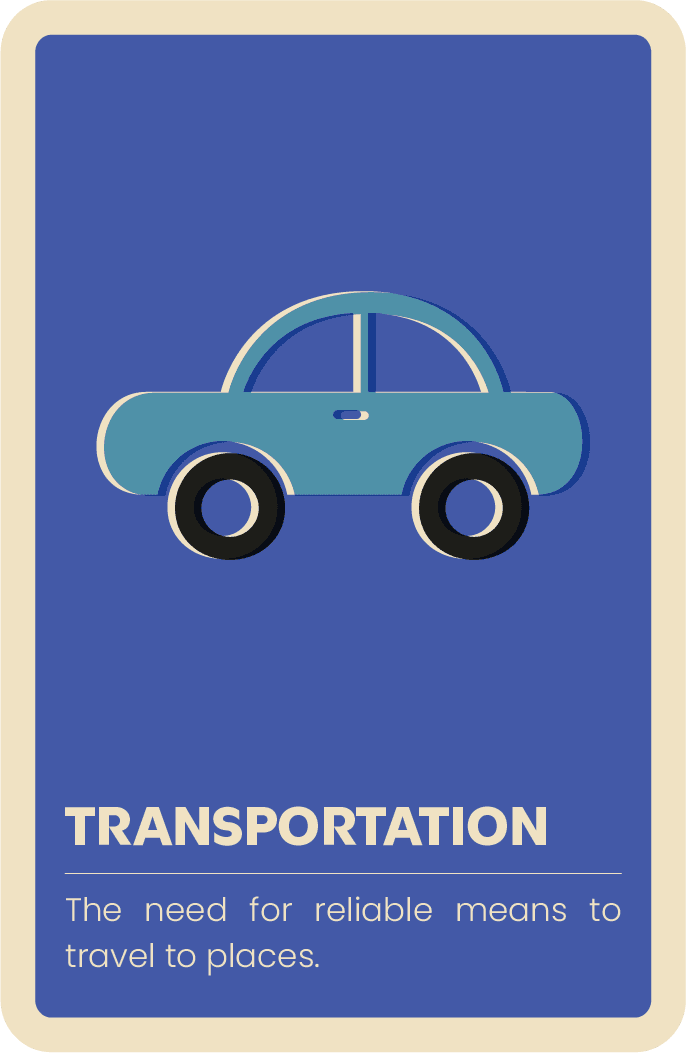
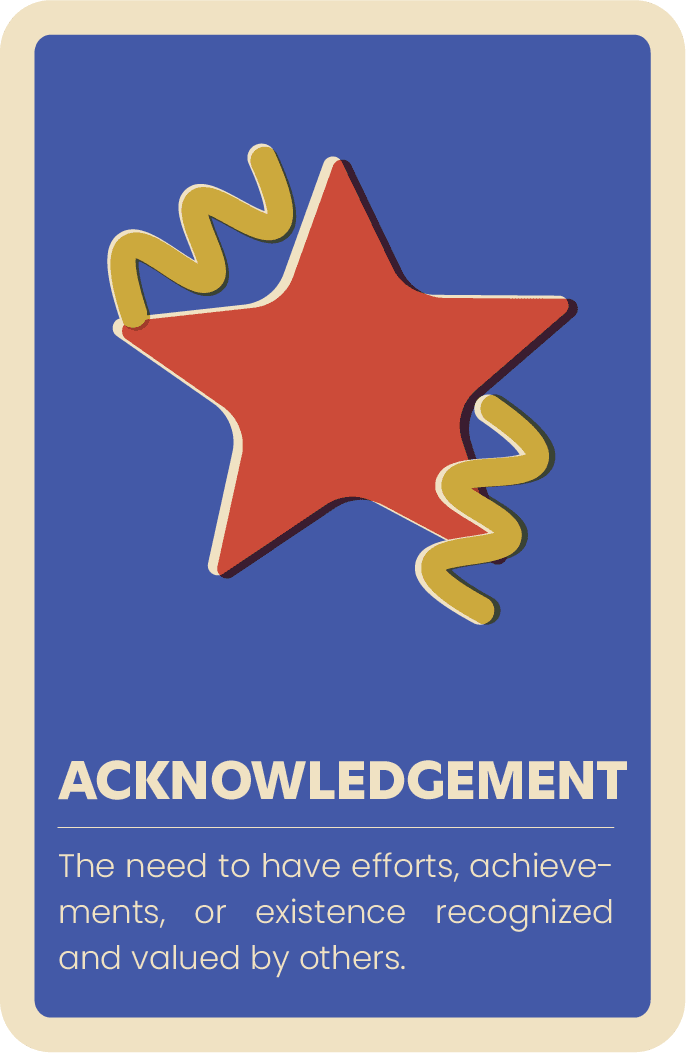
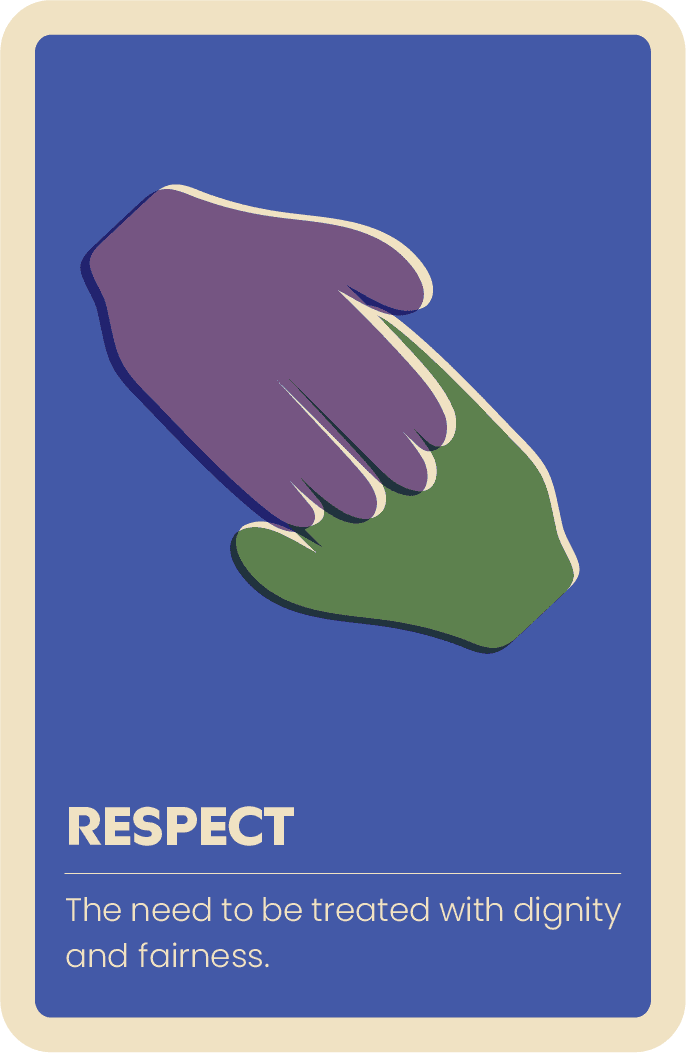
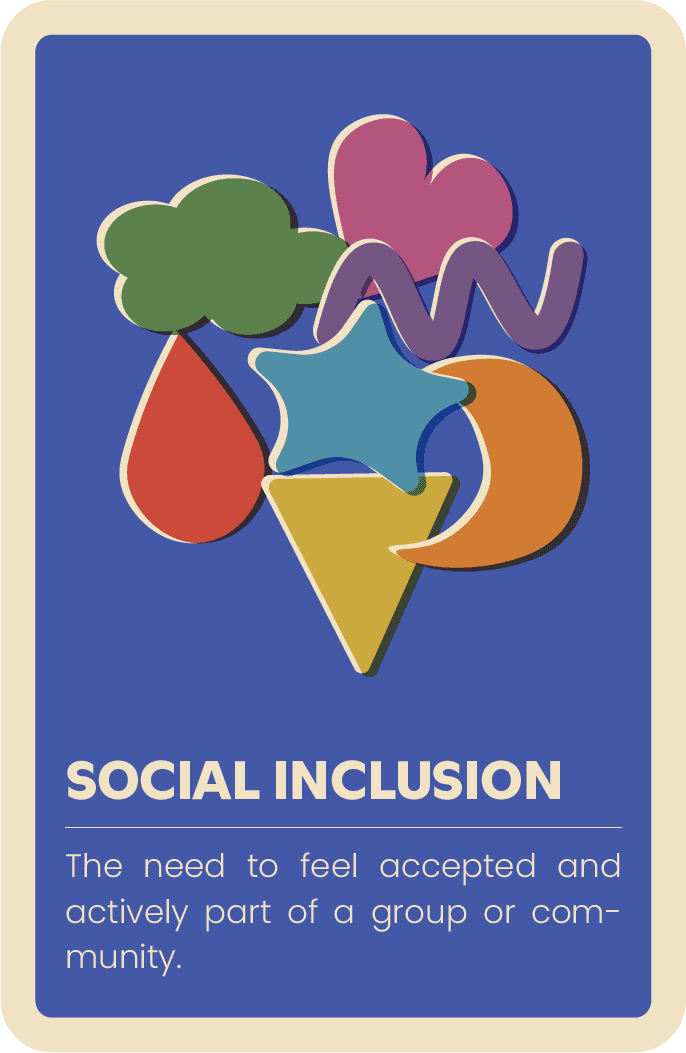
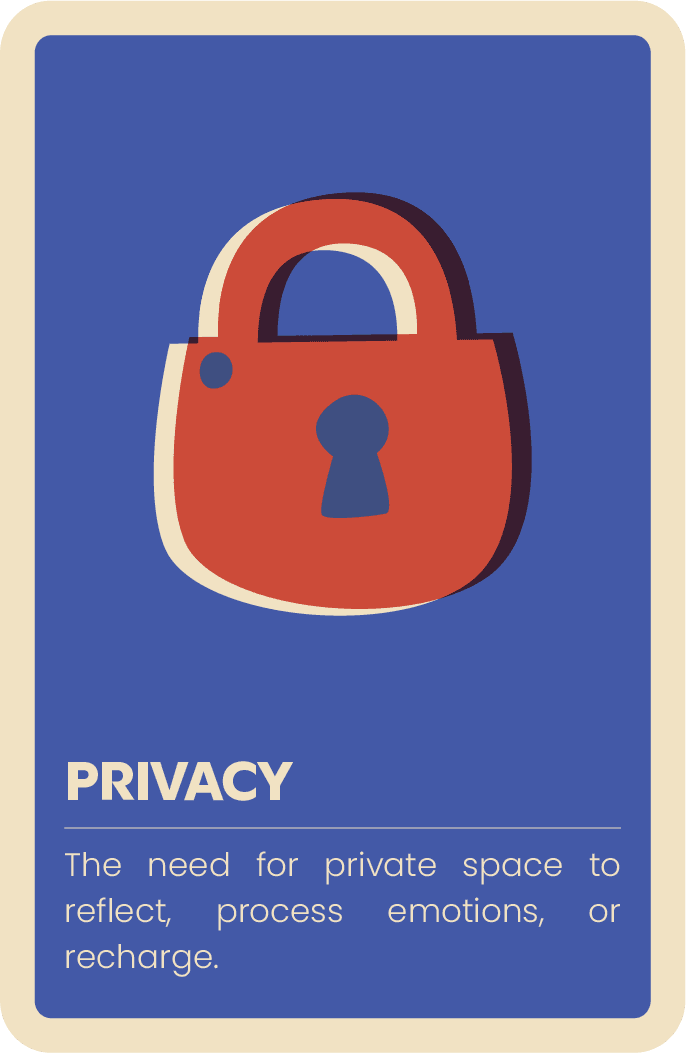
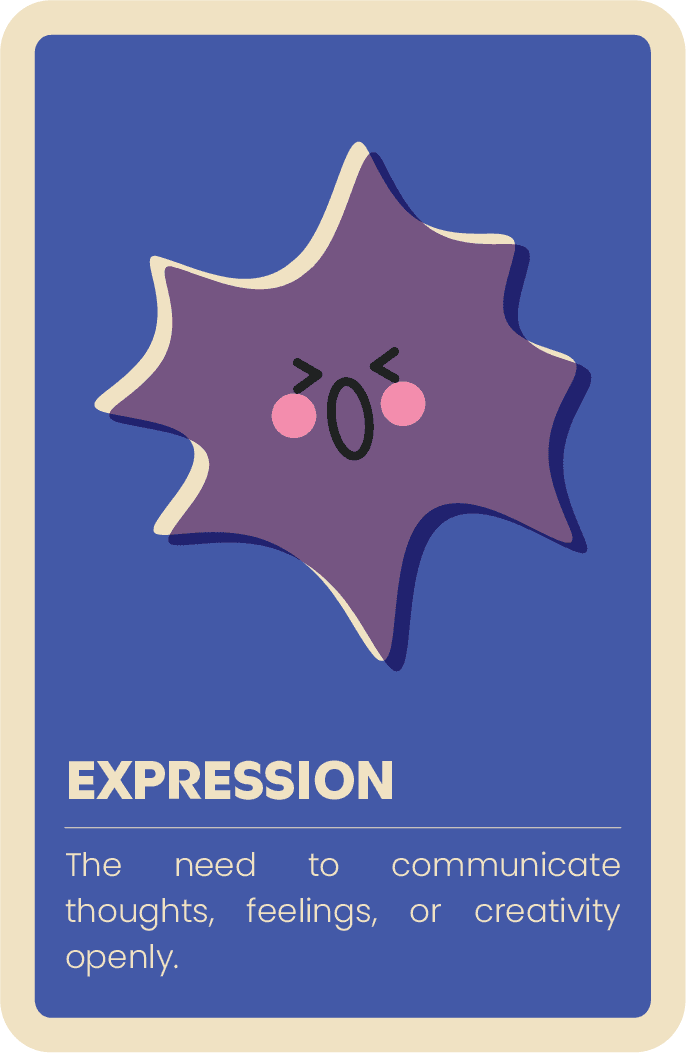
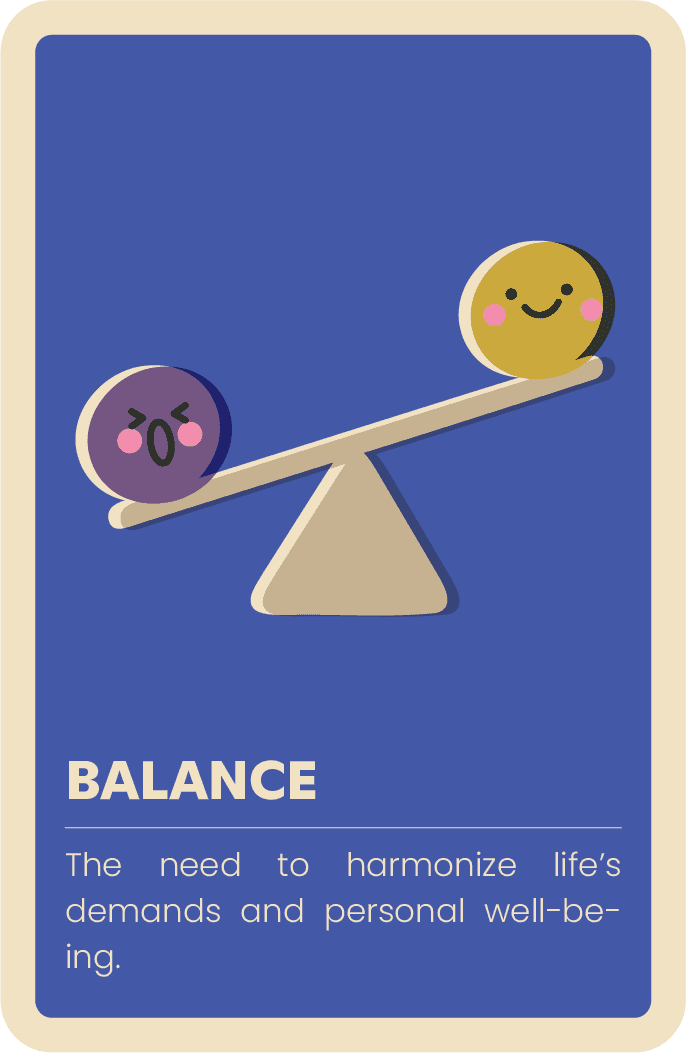
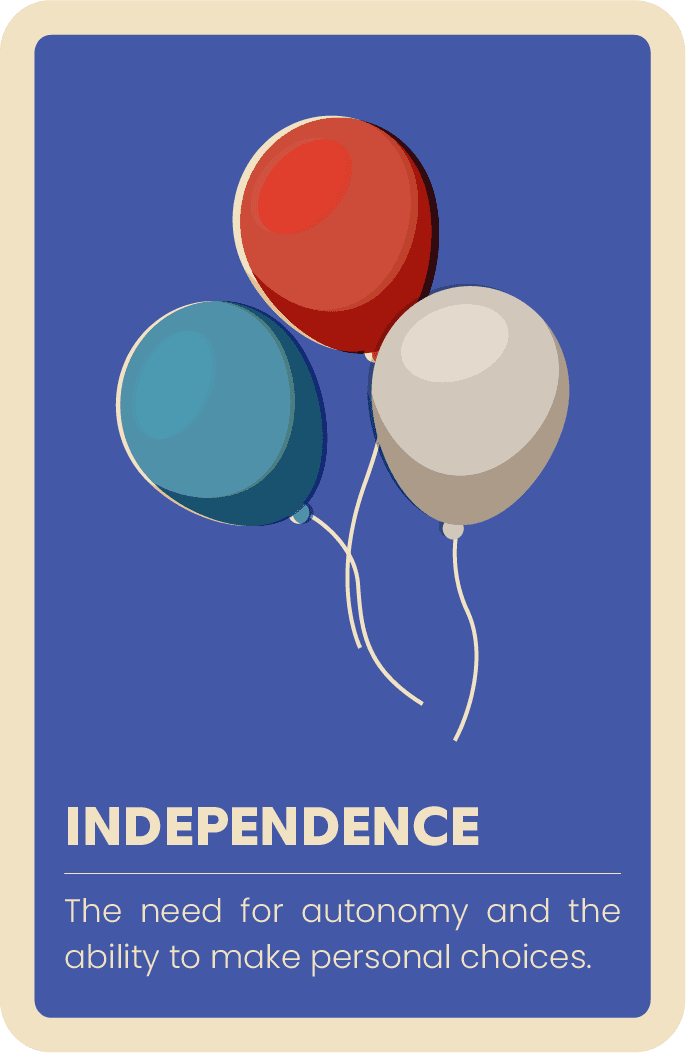
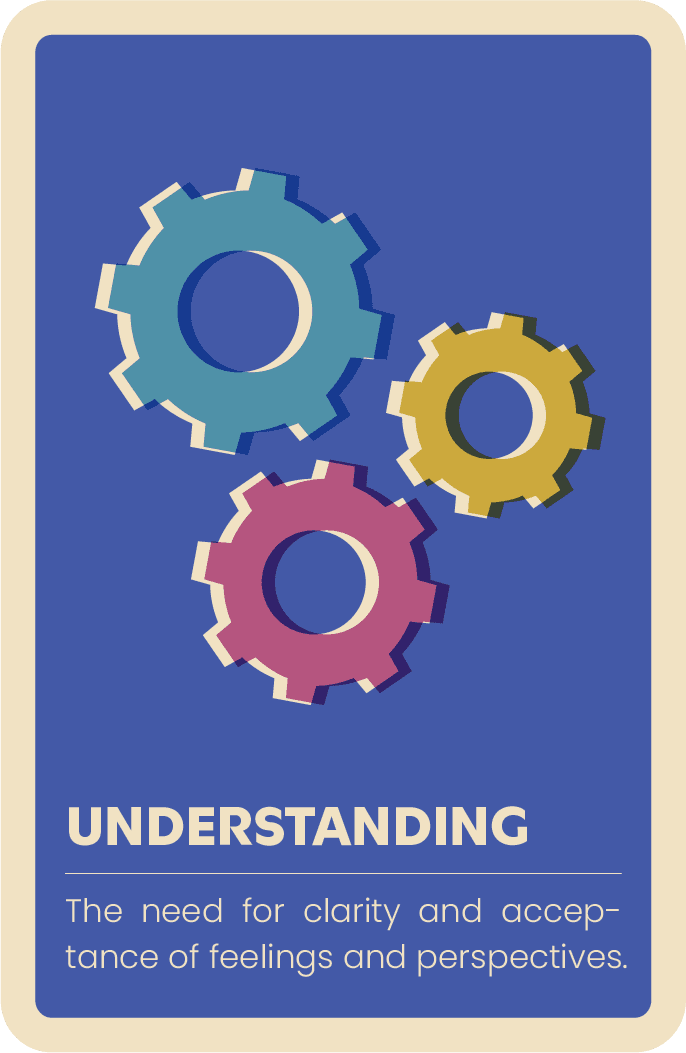
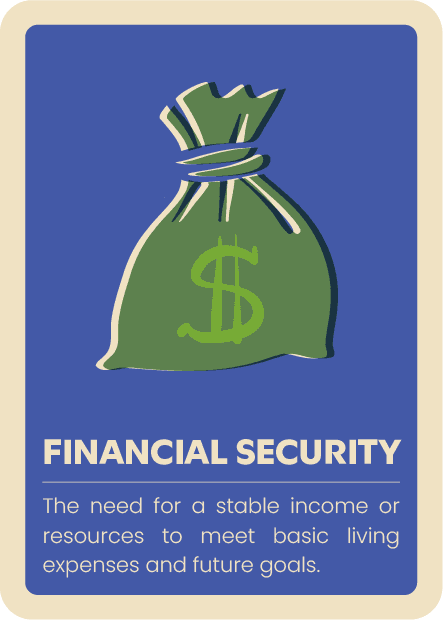
Needs Card Design
(41 cards)

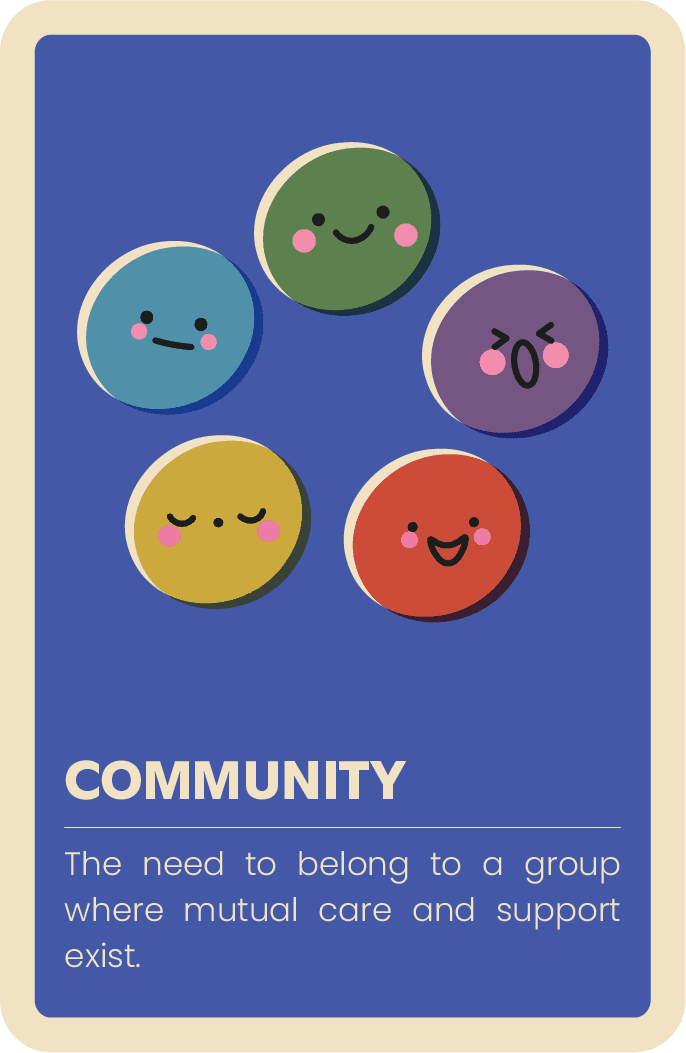
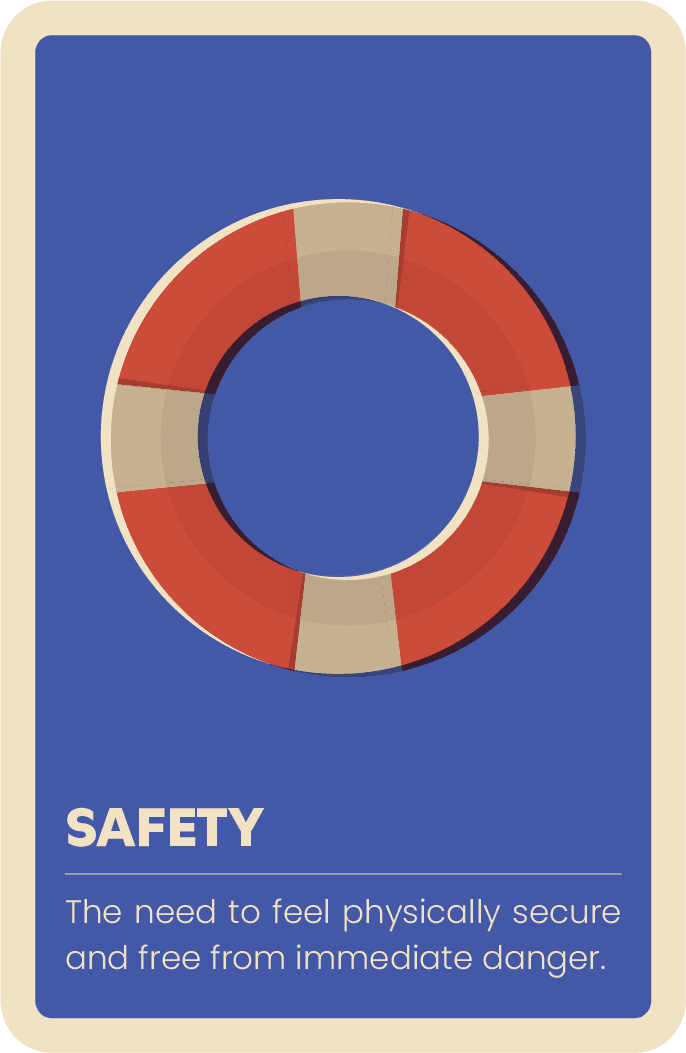
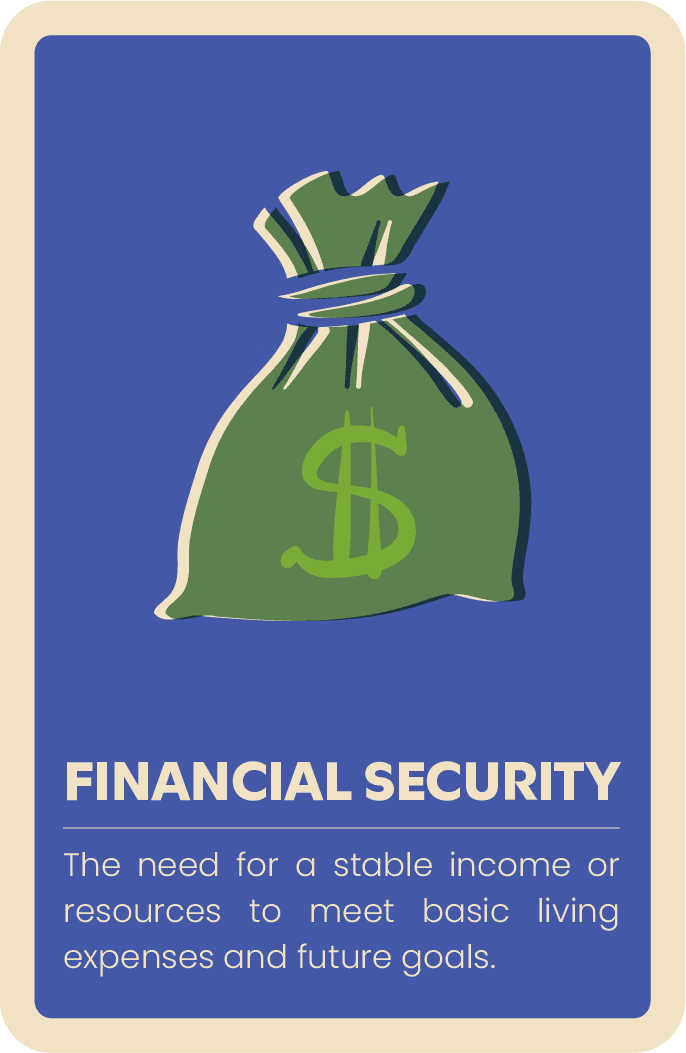

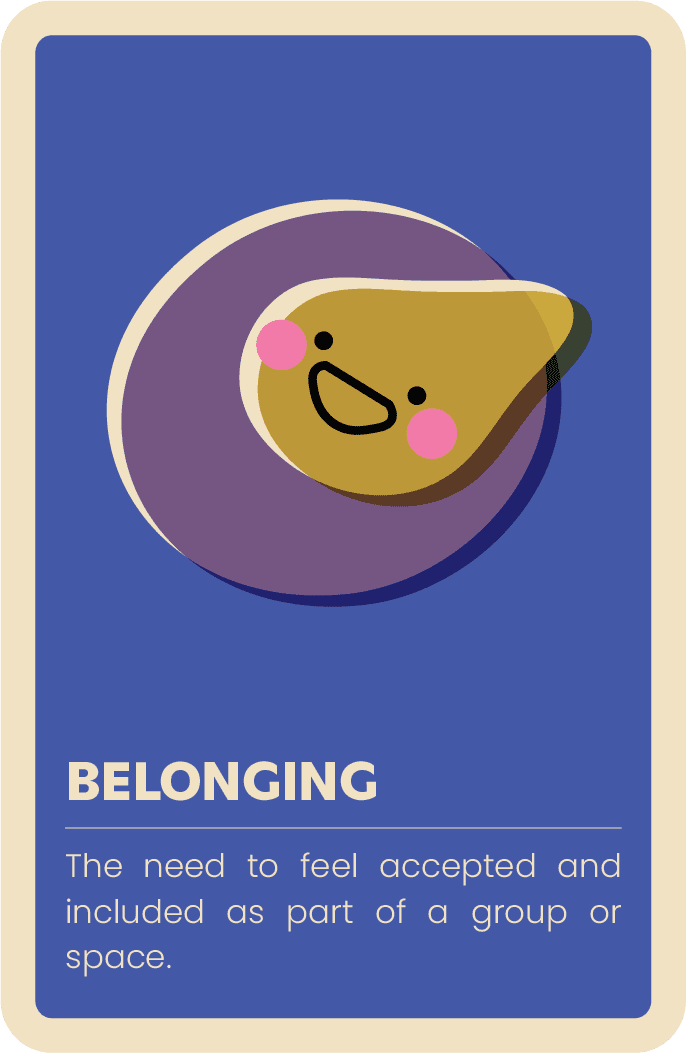

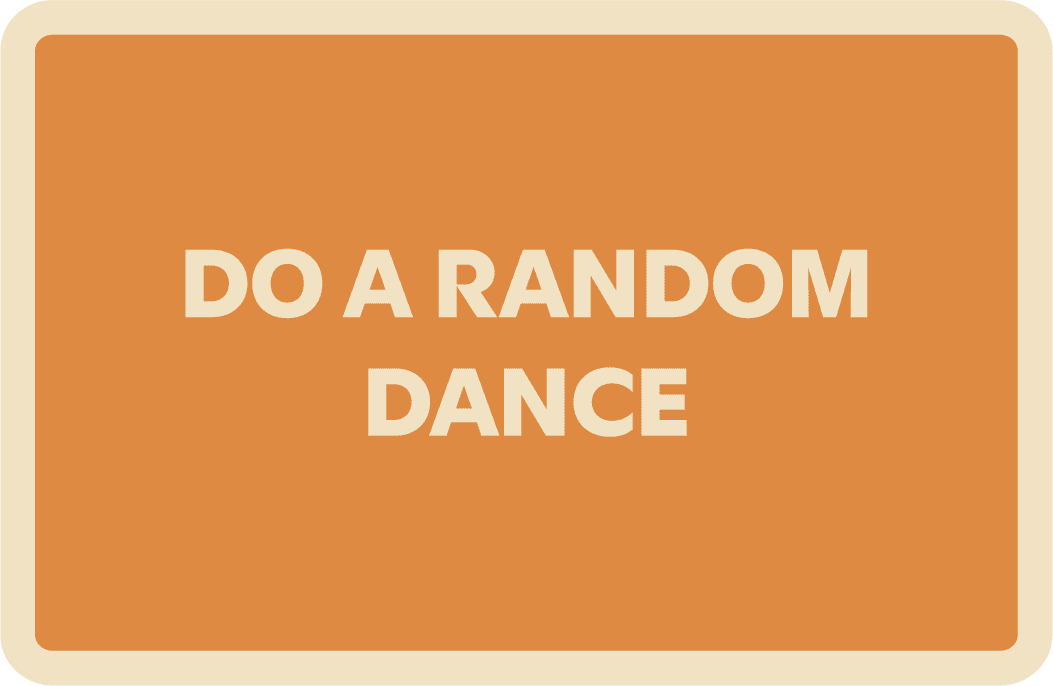
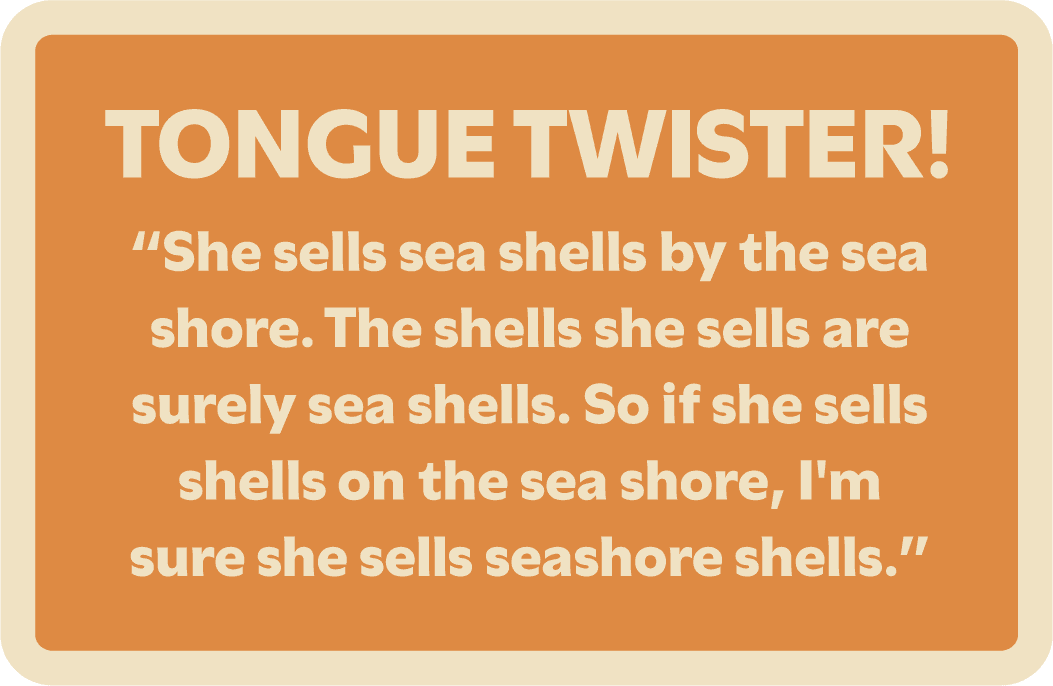
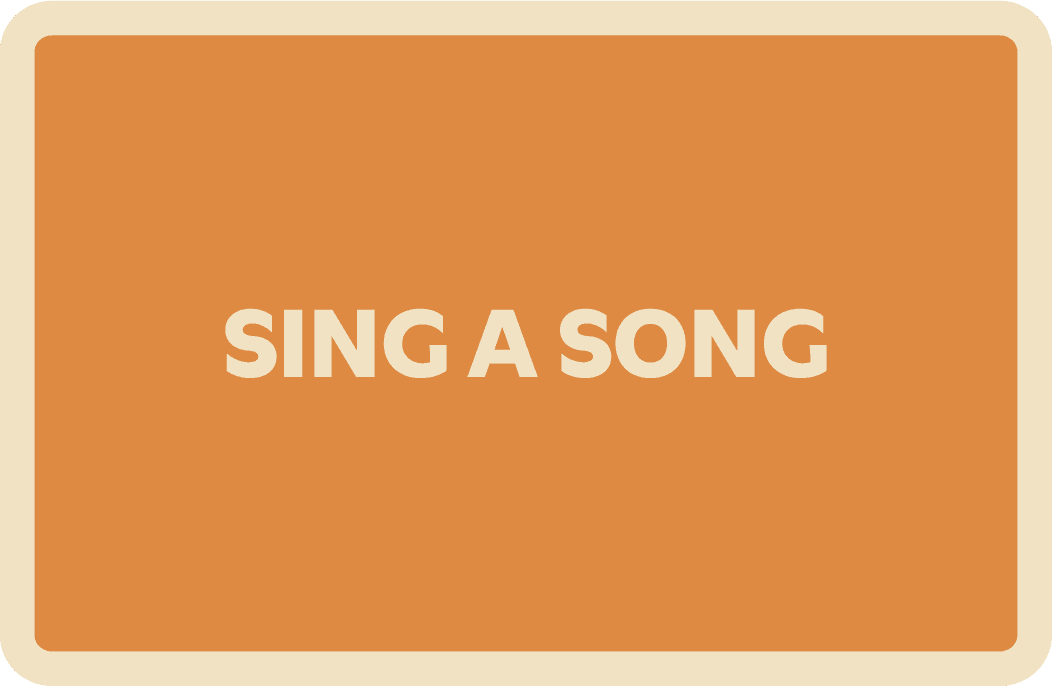
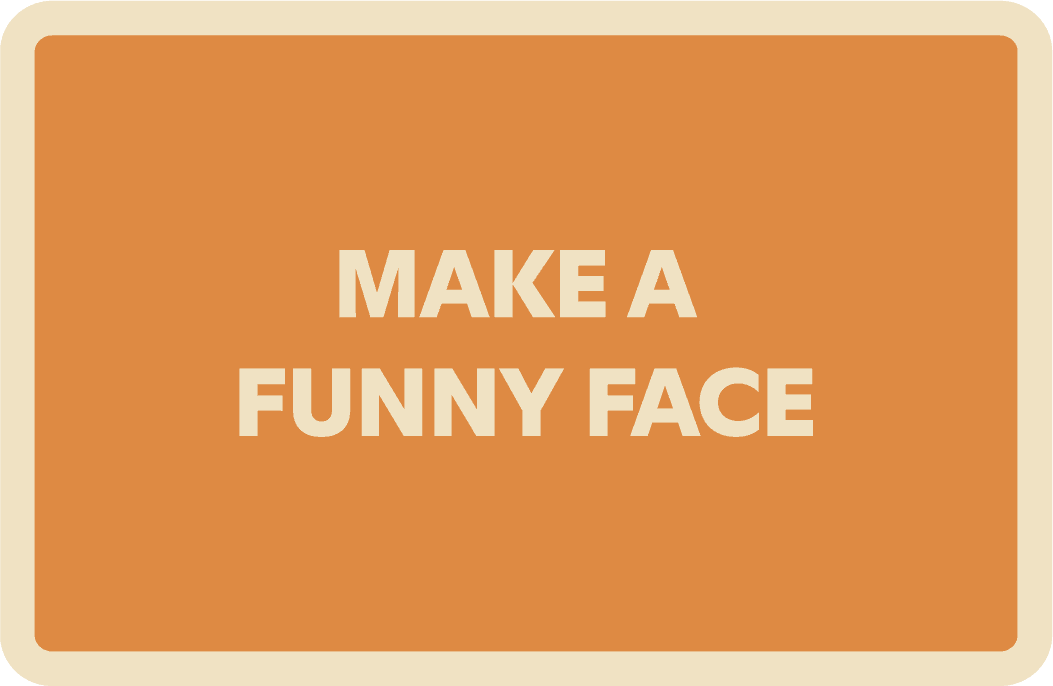
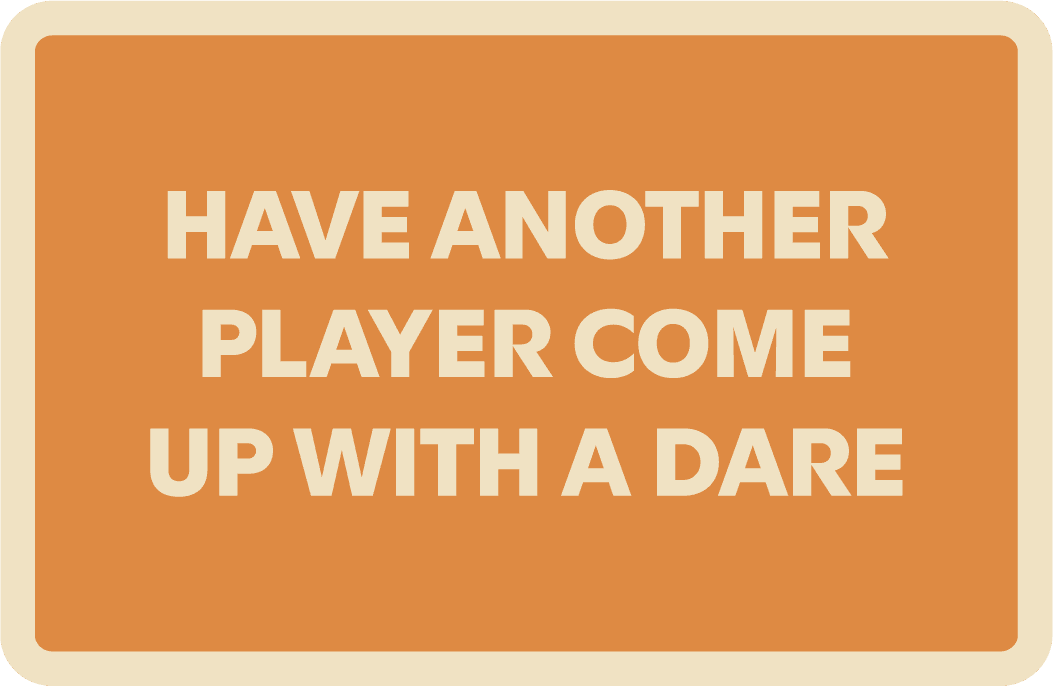
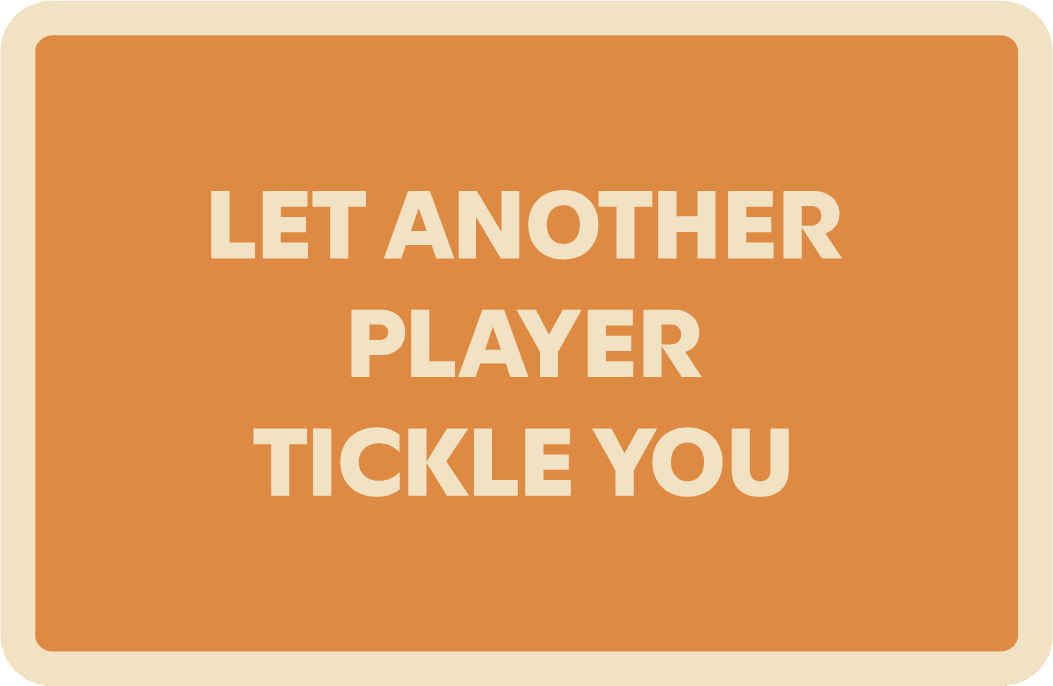
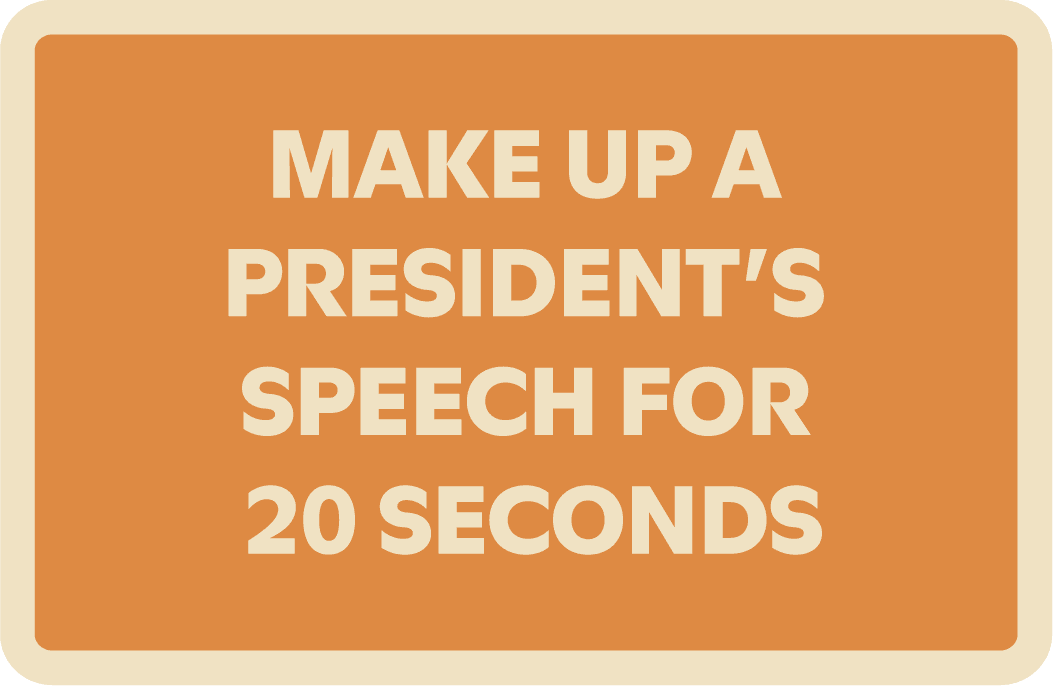
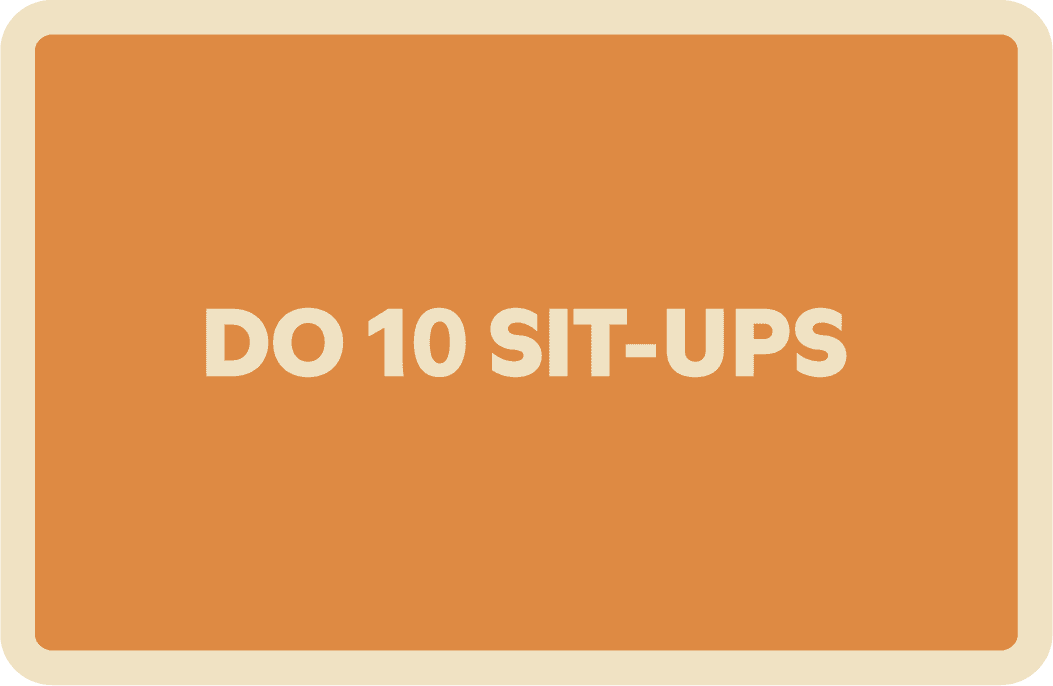
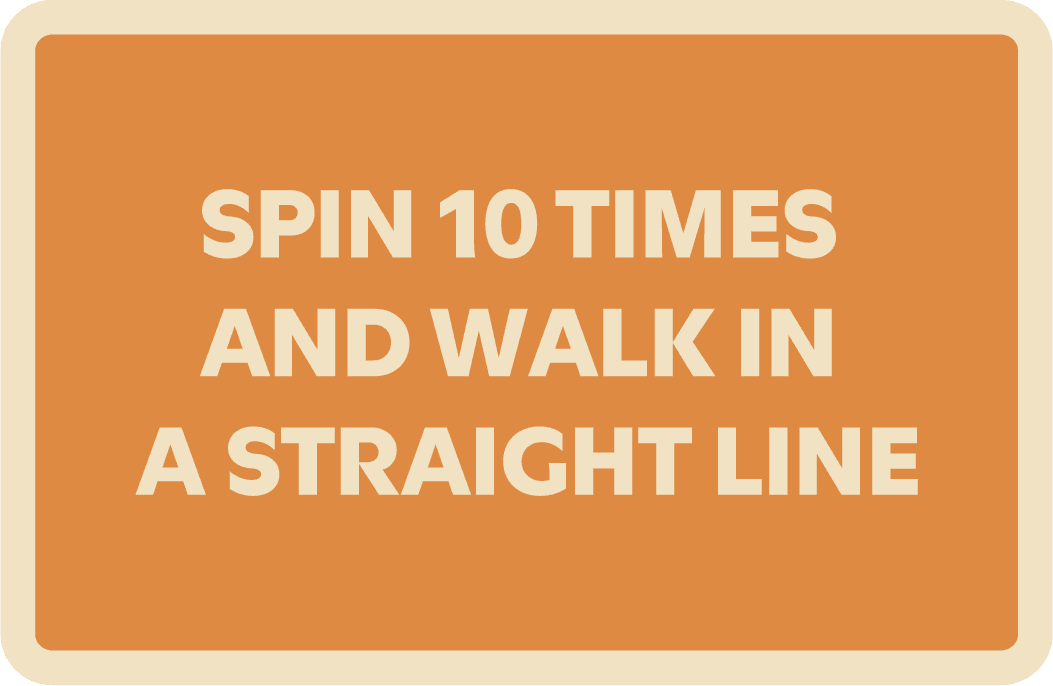
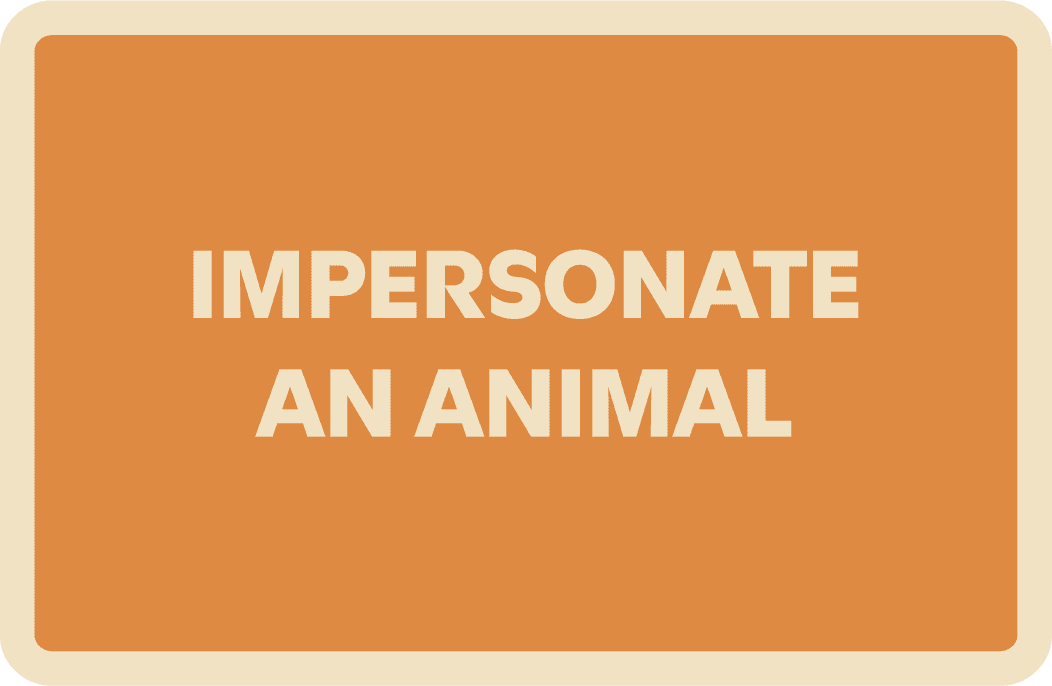
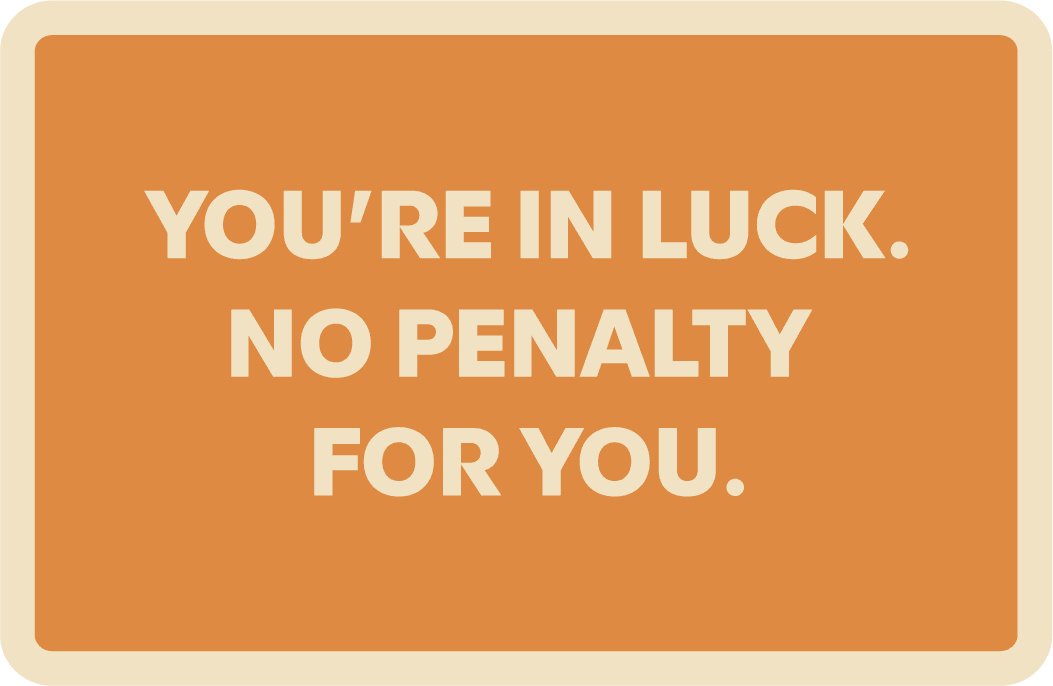
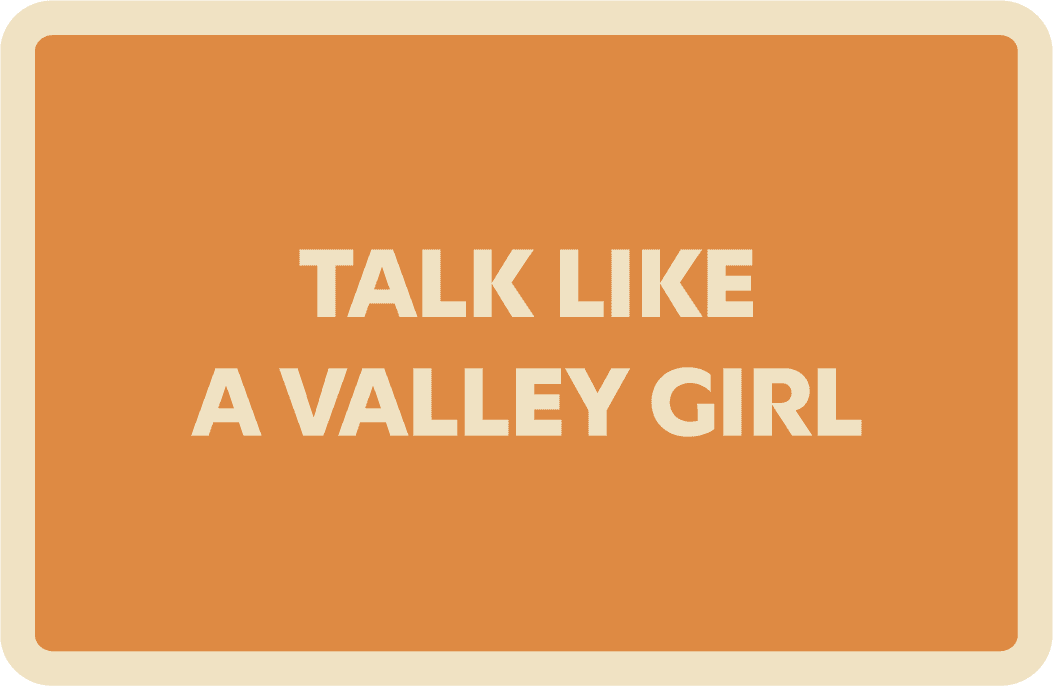
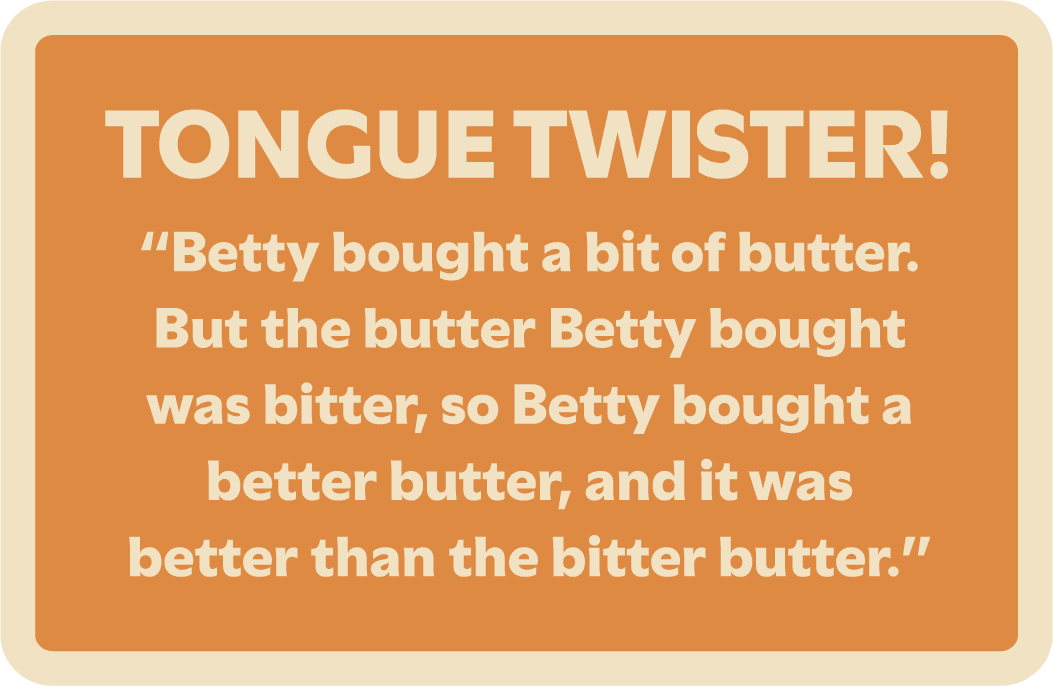
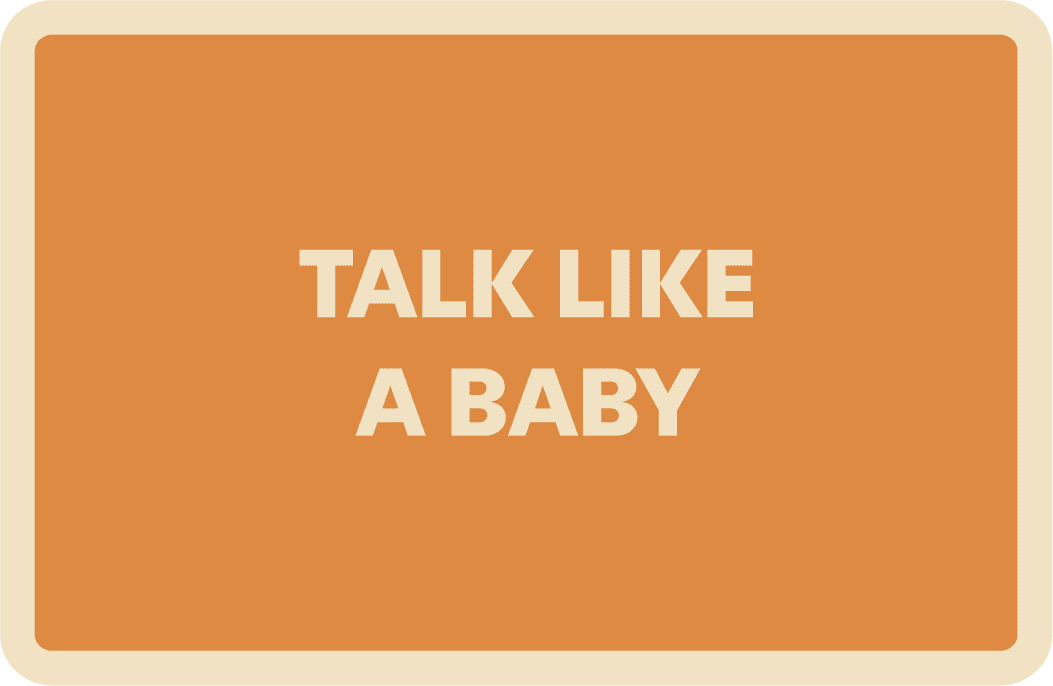
Challenges Card Design
(15 cards)

Branded Materials
Postcards
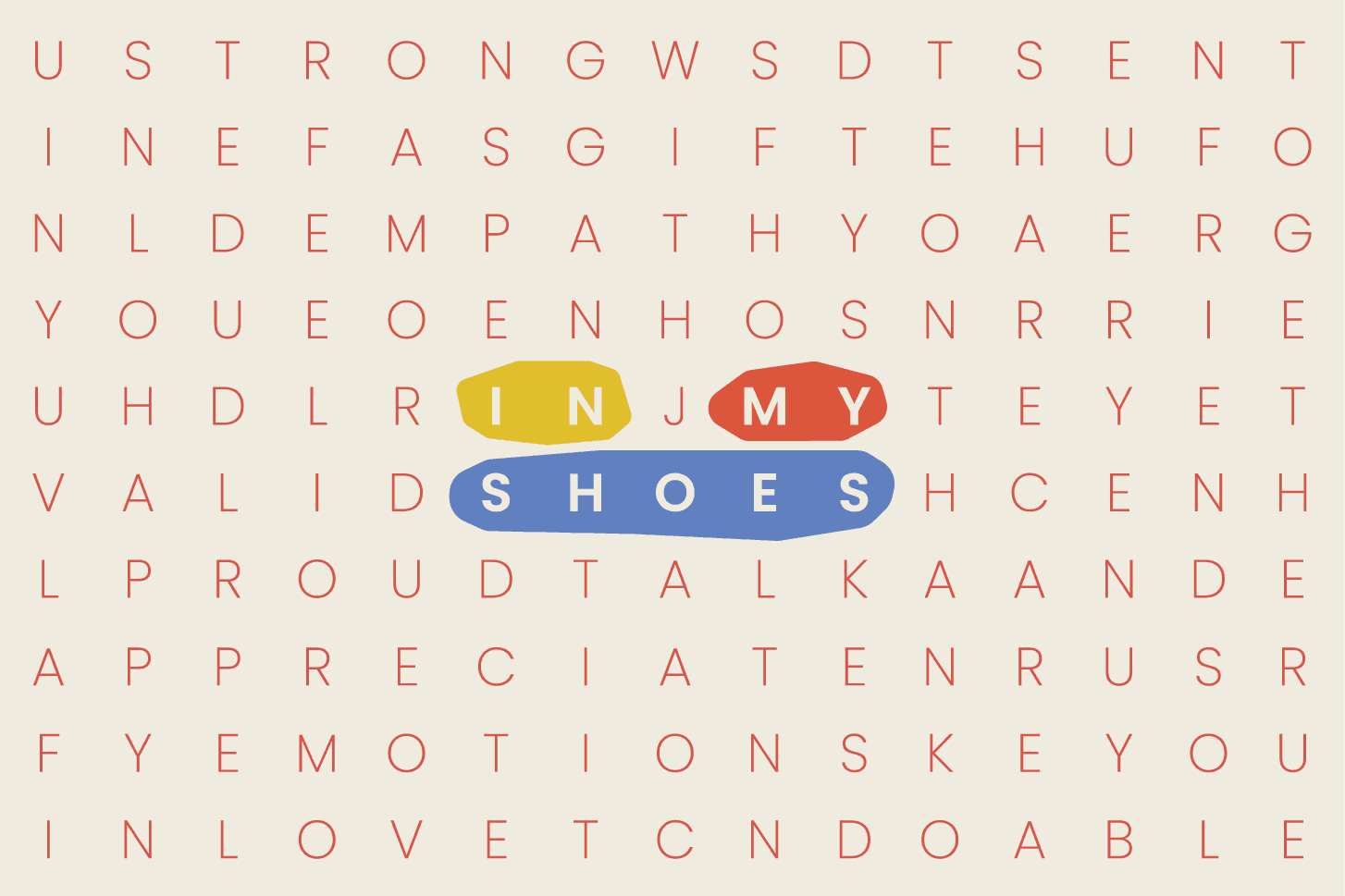
Postcards
Brochure
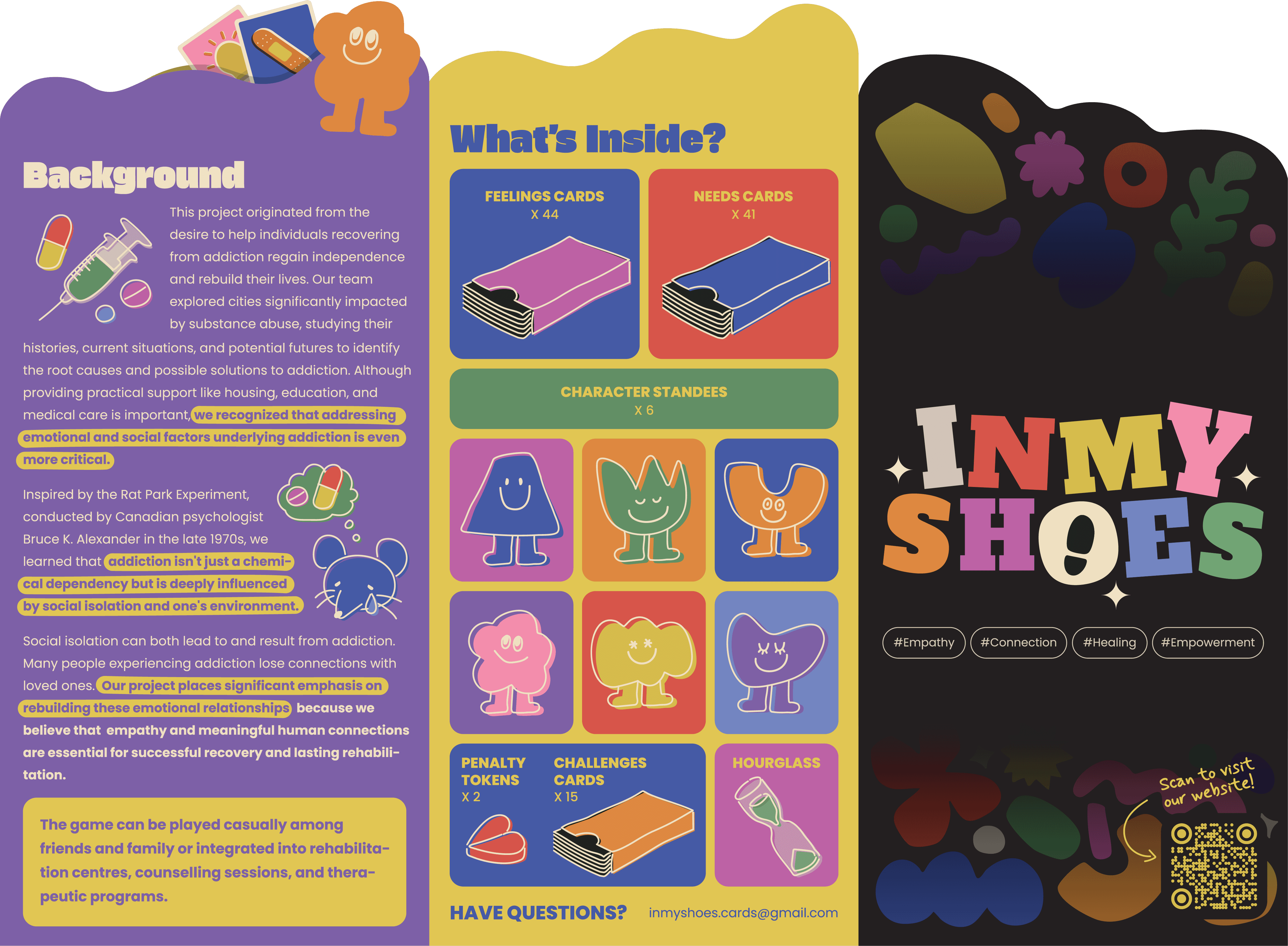
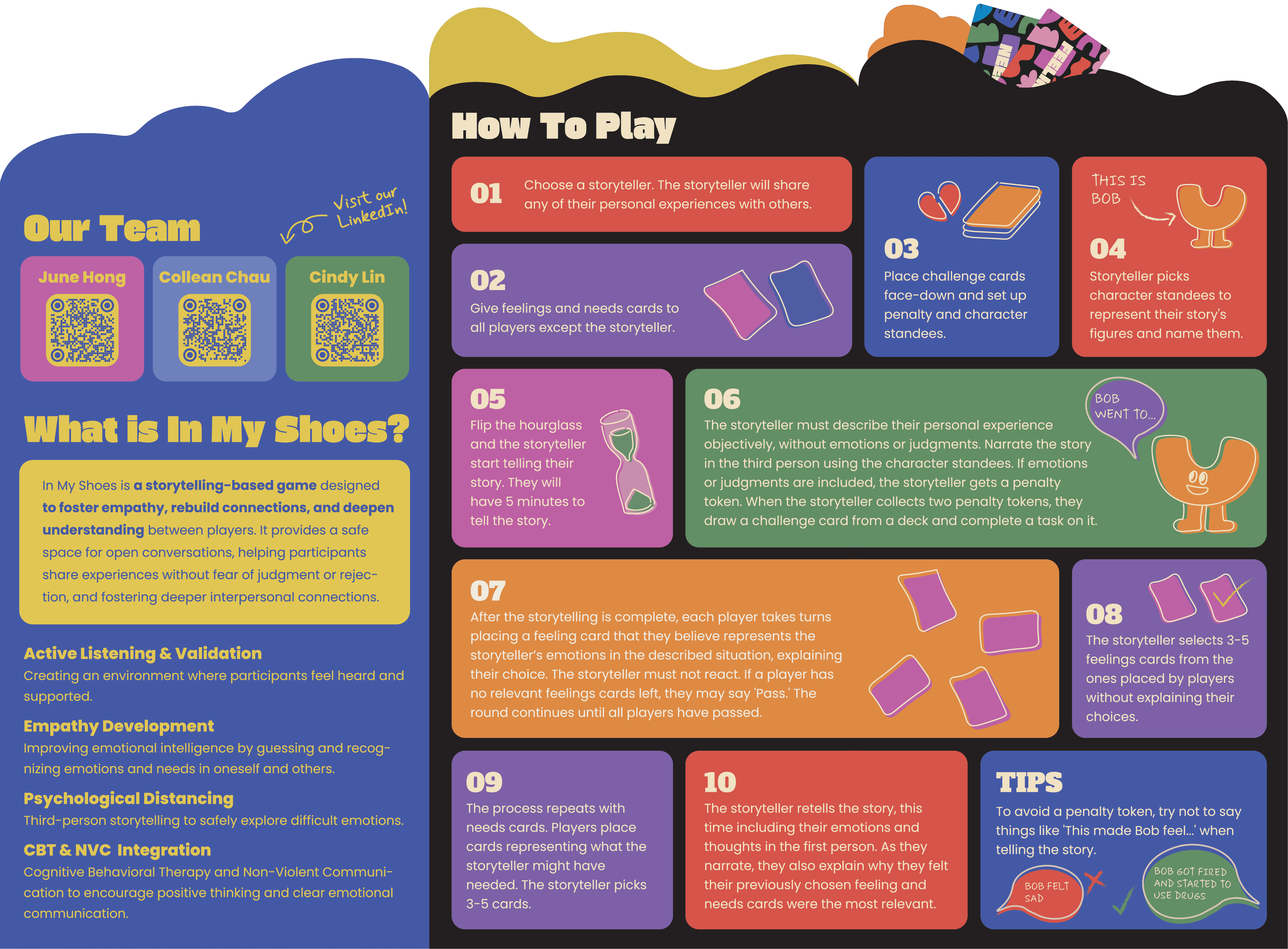
Brochure
Business Card
Stickers








Button Badges



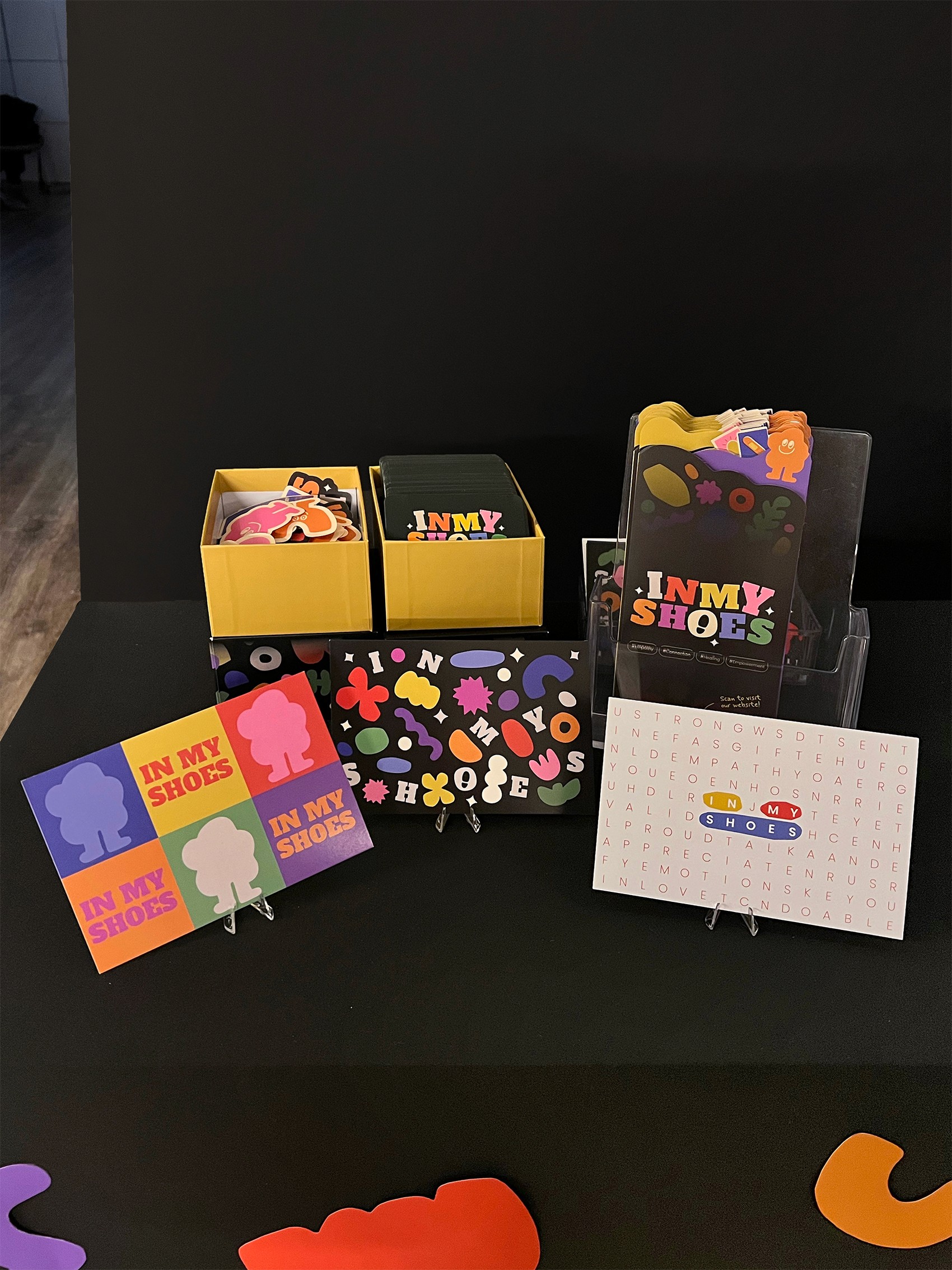
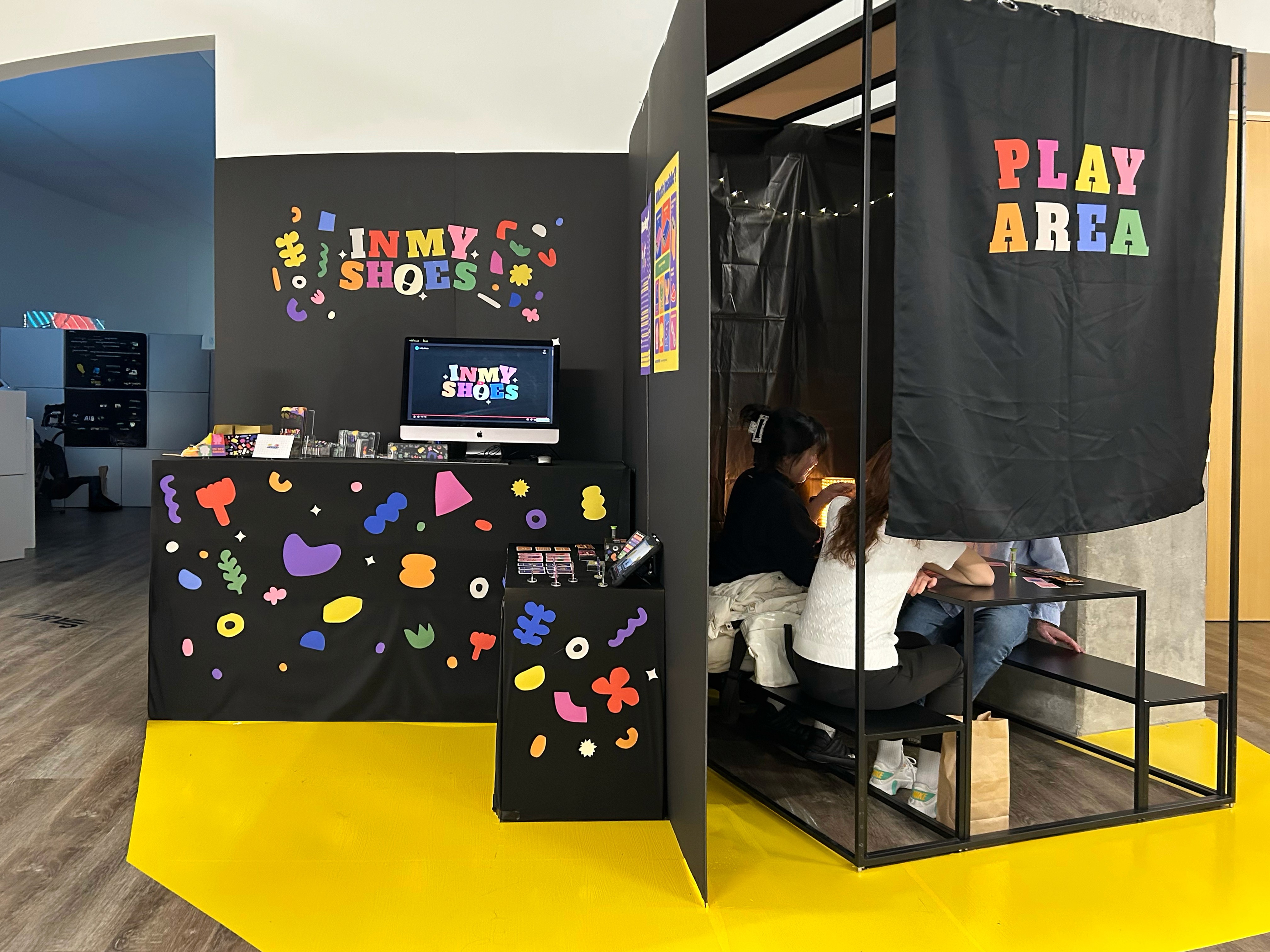
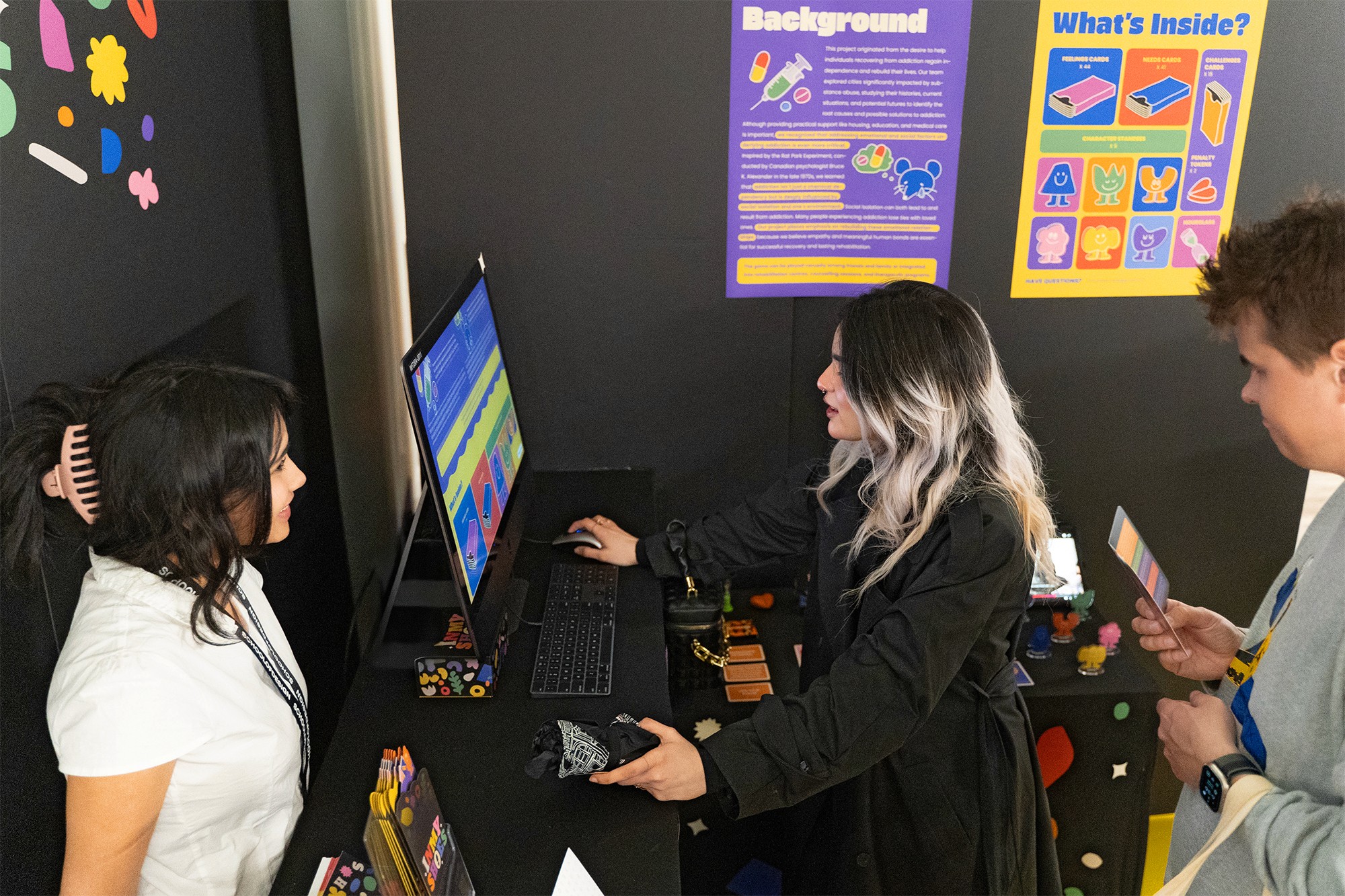
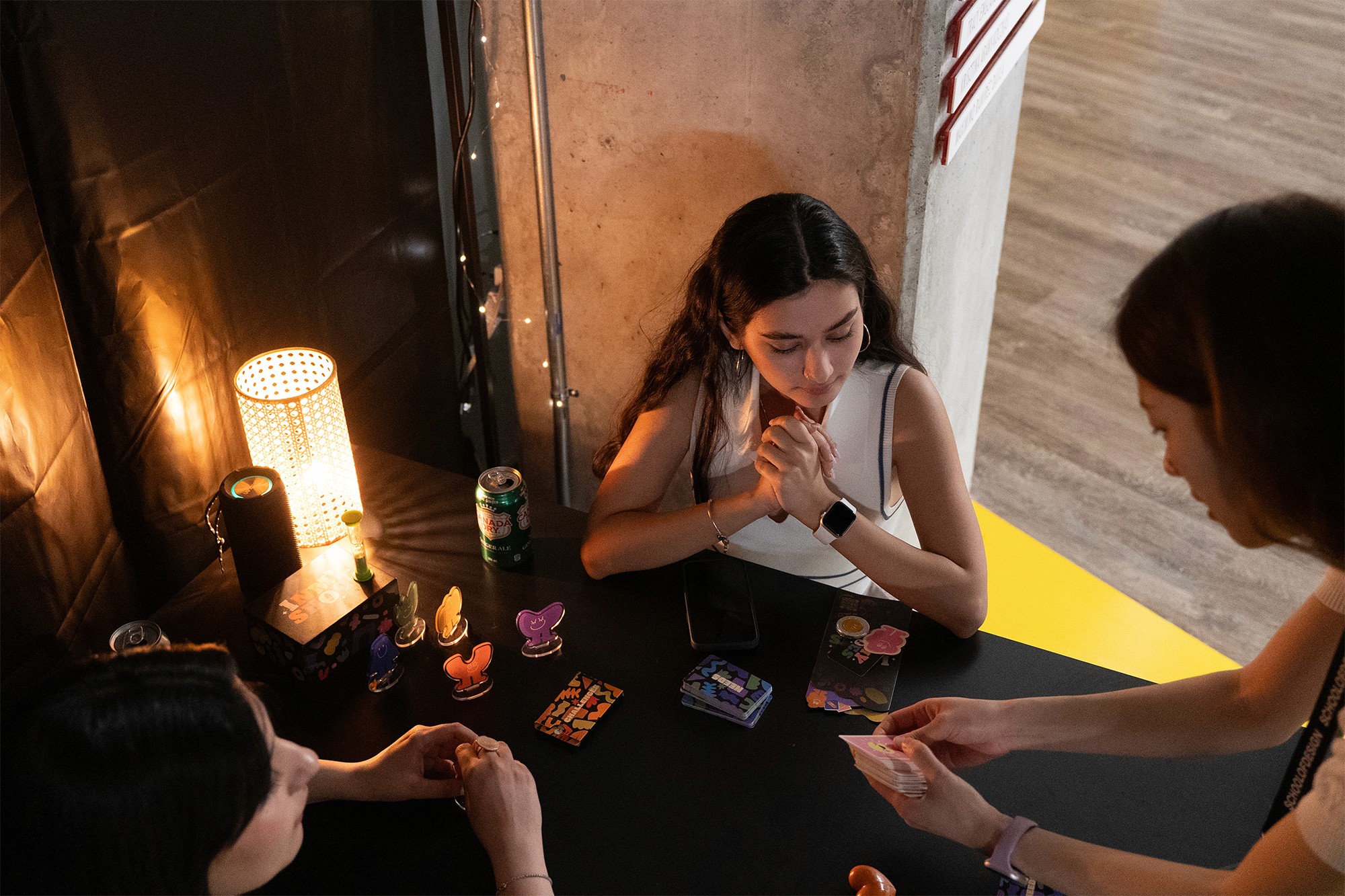
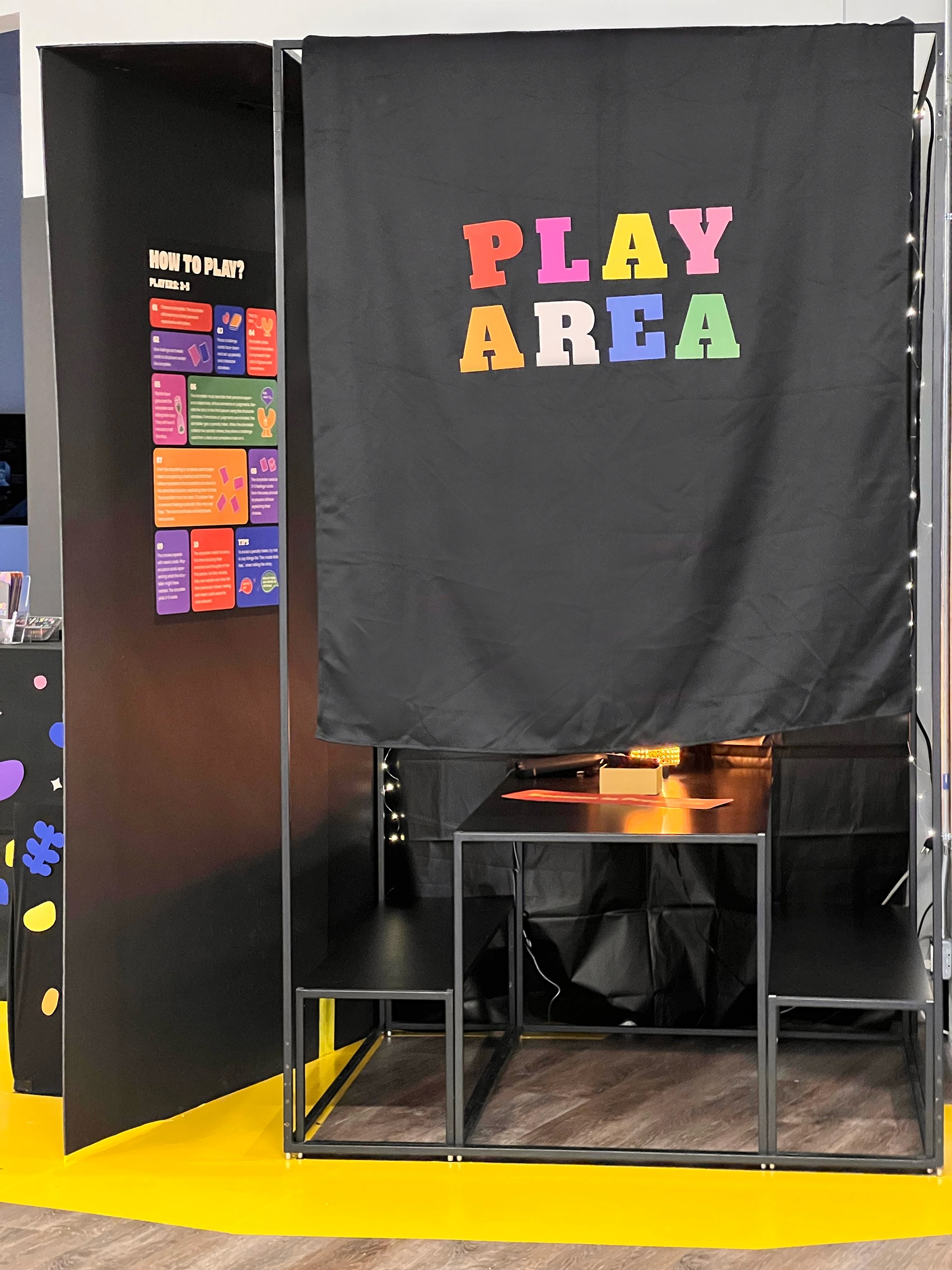
In Action: Year-End Show